Understanding Professional Office Cleaning Standards
Introduction
Office cleaning is often treated as a routine task, yet it plays a far bigger role in workplace health, safety, and productivity than most organisations realise. For office managers, business owners, and facilities teams, understanding what is included in office cleaning is essential to ensuring standards are actually being met — not just assumed.
A professional office clean goes beyond emptying bins and wiping desks. It involves a structured approach to hygiene, high-touch surface management, shared spaces, and presentation, all carried out in a way that supports staff wellbeing and day-to-day operations. When these elements are overlooked or inconsistently delivered, issues such as poor air quality, higher sickness absence, and negative first impressions can quietly build up over time.
This guide breaks down what office cleaning typically includes, how professional standards are applied in real workplaces, and which areas are most commonly missed. It’s designed to give clarity — whether you manage a small office, a multi-floor workplace, or a high-traffic commercial environment.
Across Dublin, including office locations in areas such as Ballsbridge, expectations around cleanliness and presentation are high. A clear understanding of office cleaning scope helps organisations set the right standards, hold providers accountable, and maintain a workplace that is genuinely clean, safe, and fit for purpose.
What Is Included in Office Cleaning
Professional office cleaning follows a structured scope designed to maintain hygiene, safety, and presentation across all working areas. While the exact checklist may vary depending on office size and usage, a standard professional office clean typically includes the following core elements.
- General office areas are cleaned through a structured process that includes dusting and wiping desks, workstations, shelves, and accessible surfaces; cleaning high-touch points such as door handles, light switches, and shared equipment; vacuuming or mopping floors using surface-appropriate methods; emptying and relining waste and recycling bins; and spot cleaning walls, partitions, and internal glass where required.
- Meeting rooms and shared spaces are maintained by cleaning tables, chairs, and frequently used furniture; wiping presentation equipment, screens, and whiteboards; sanitising shared controls and touchpoints; and cleaning floors to remove dust and debris caused by regular foot traffic.
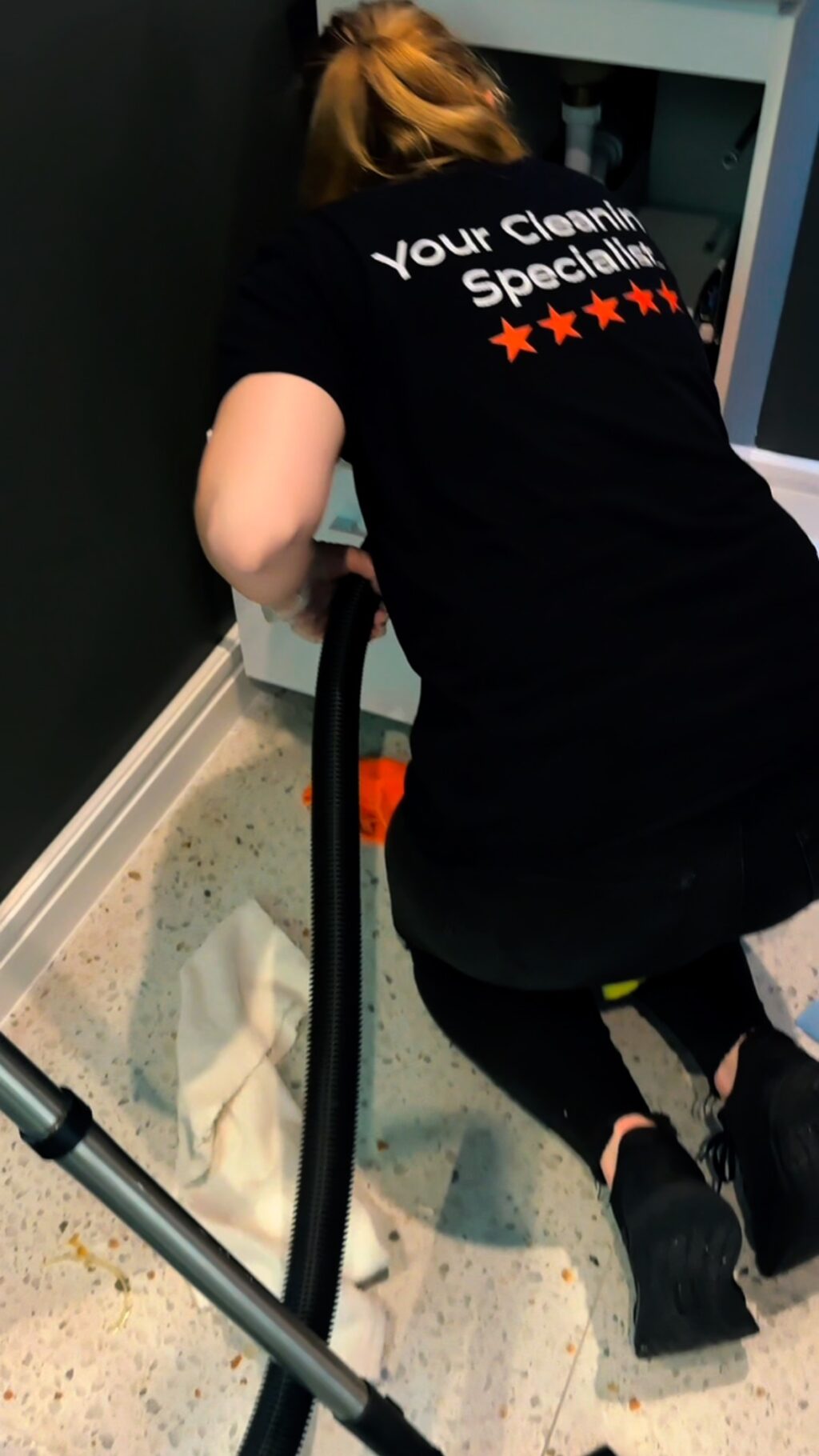
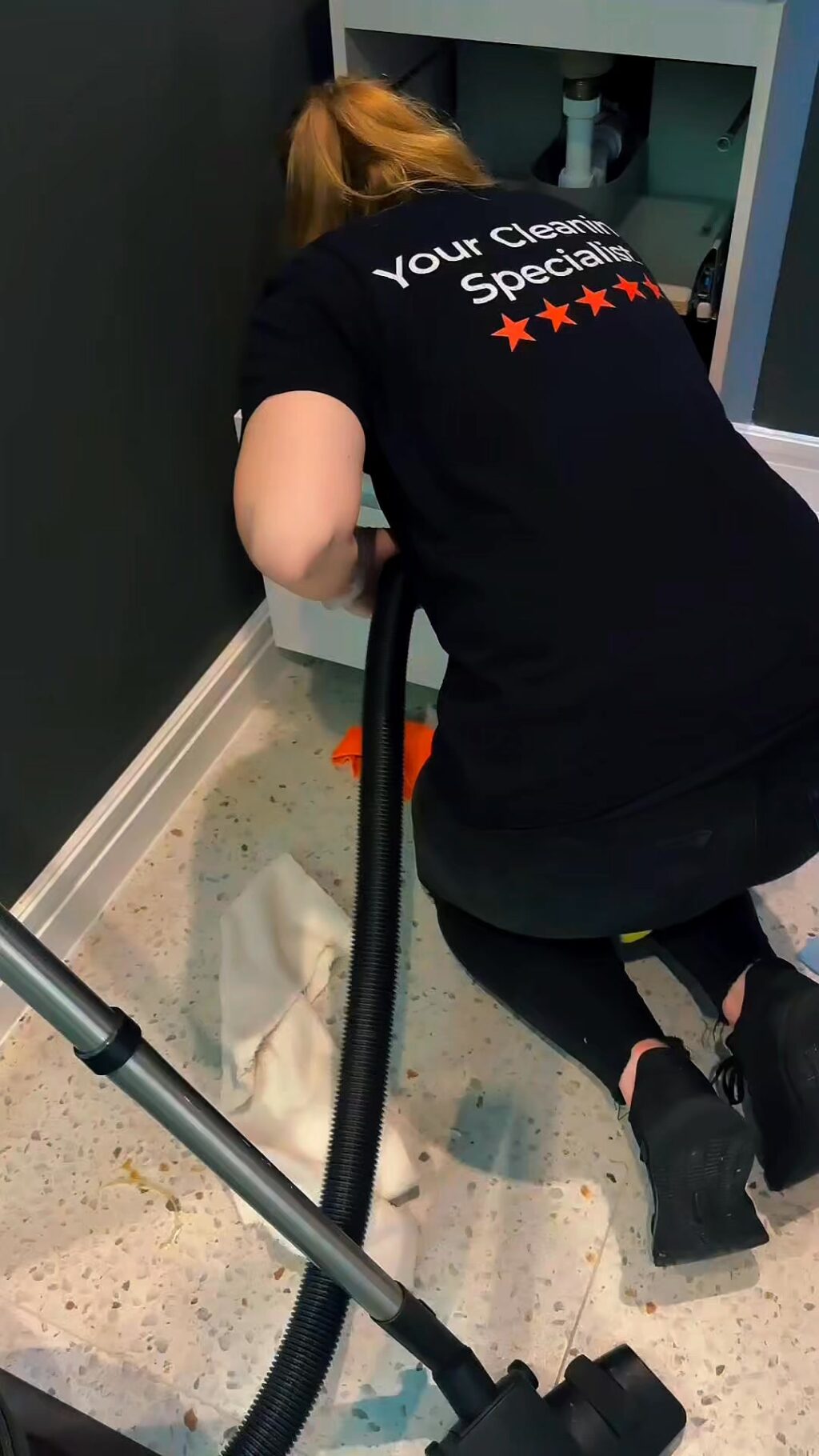
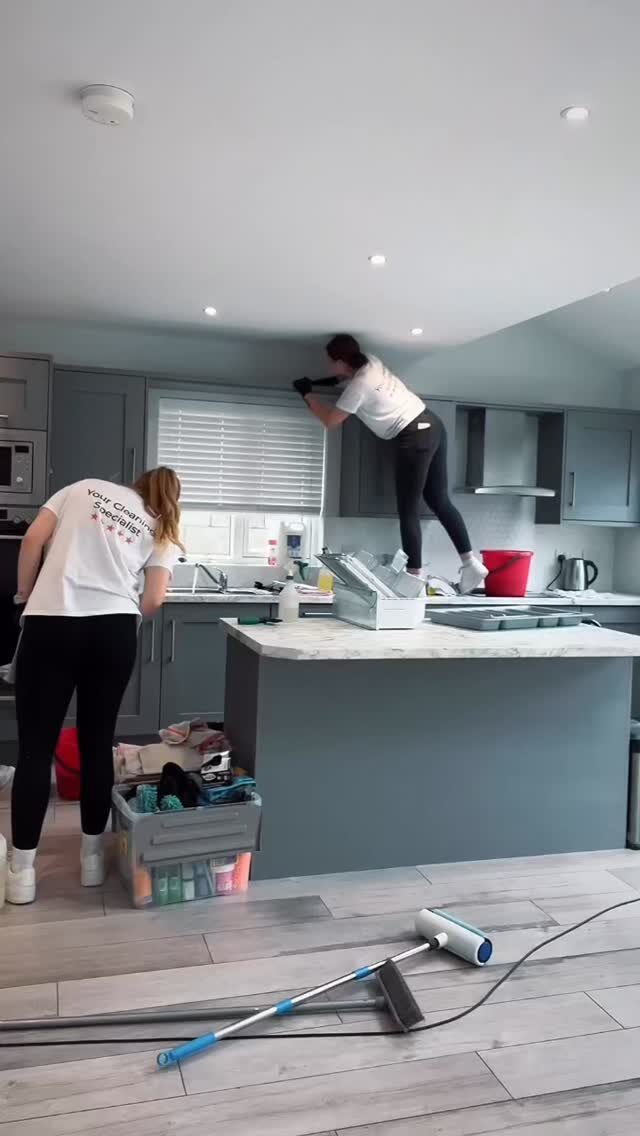
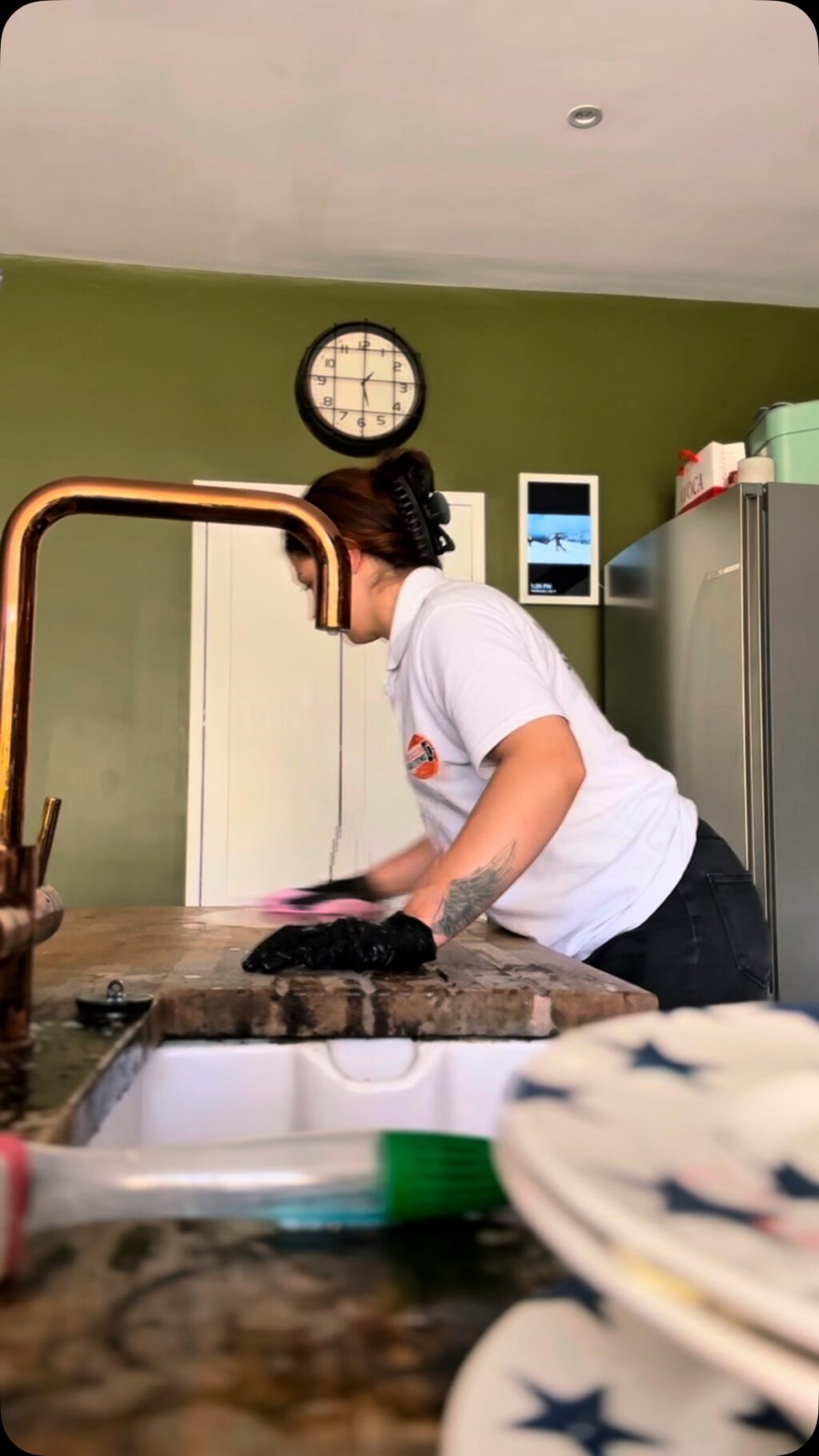
- Kitchens and break areas are cleaned by sanitising worktops, sinks, and splashbacks; externally cleaning appliances such as fridges, microwaves, kettles, and coffee machines; emptying food waste and general bins; wiping cupboard fronts and handles; and cleaning floors to maintain hygiene and reduce slip risks.
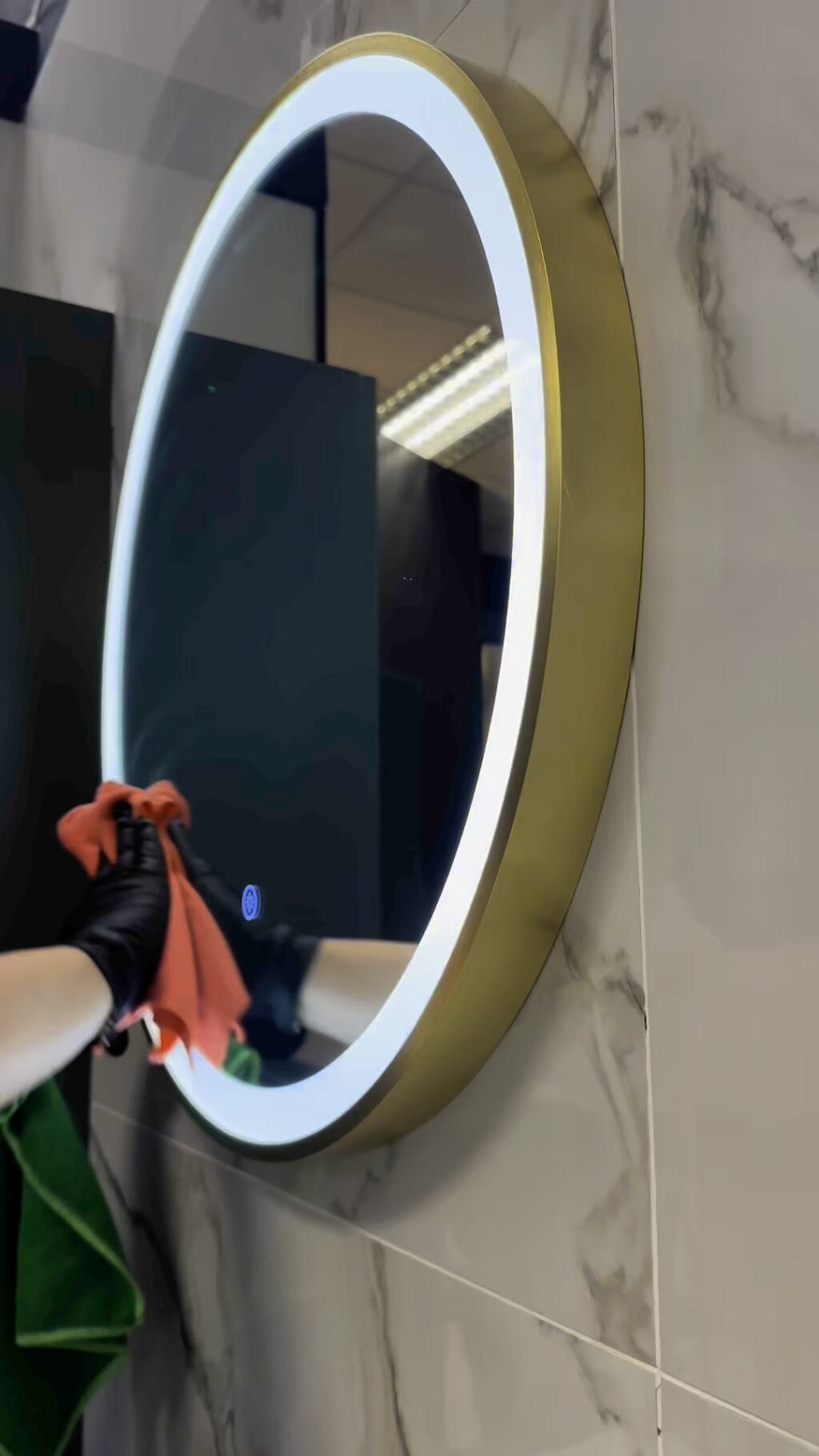
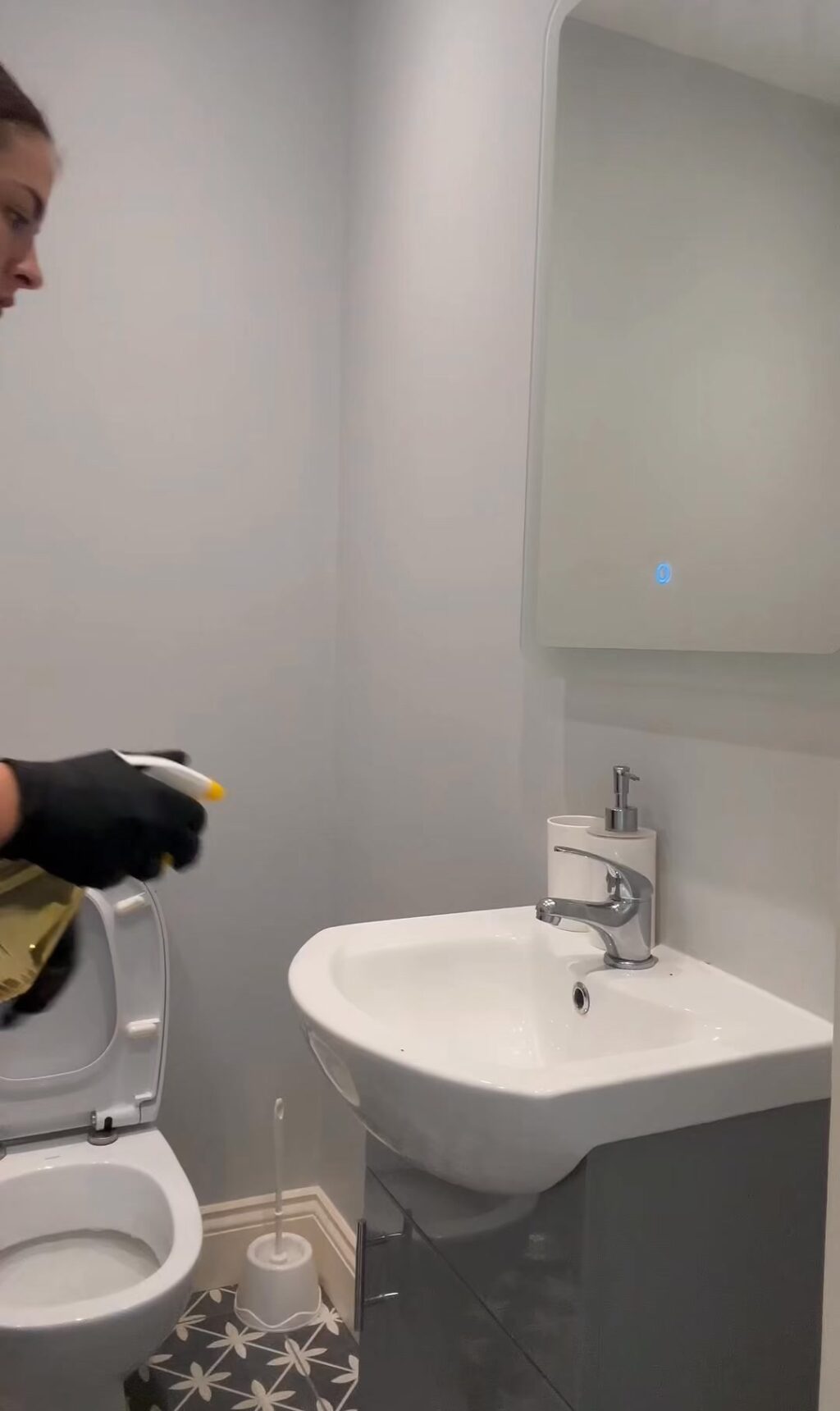
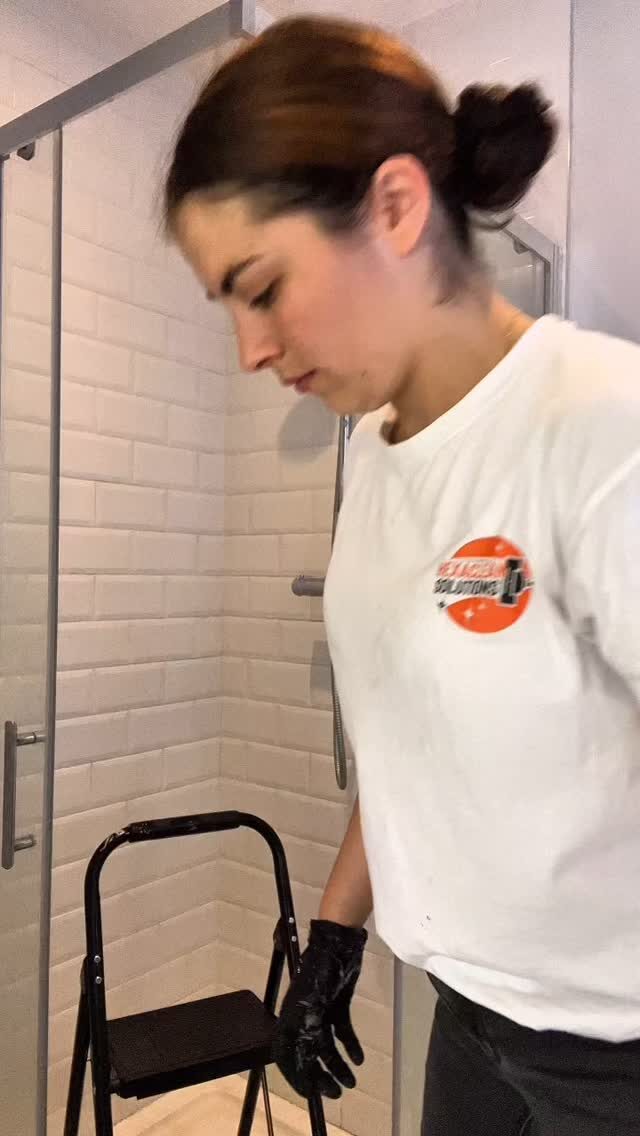
- Bathrooms and washroom facilities are fully sanitised, including toilets, urinals, basins, taps, and cubicles; cleaning mirrors, tiles, dispensers, and partitions; disinfecting floors; and replenishing consumables where included, to ensure hygiene standards are consistently met.
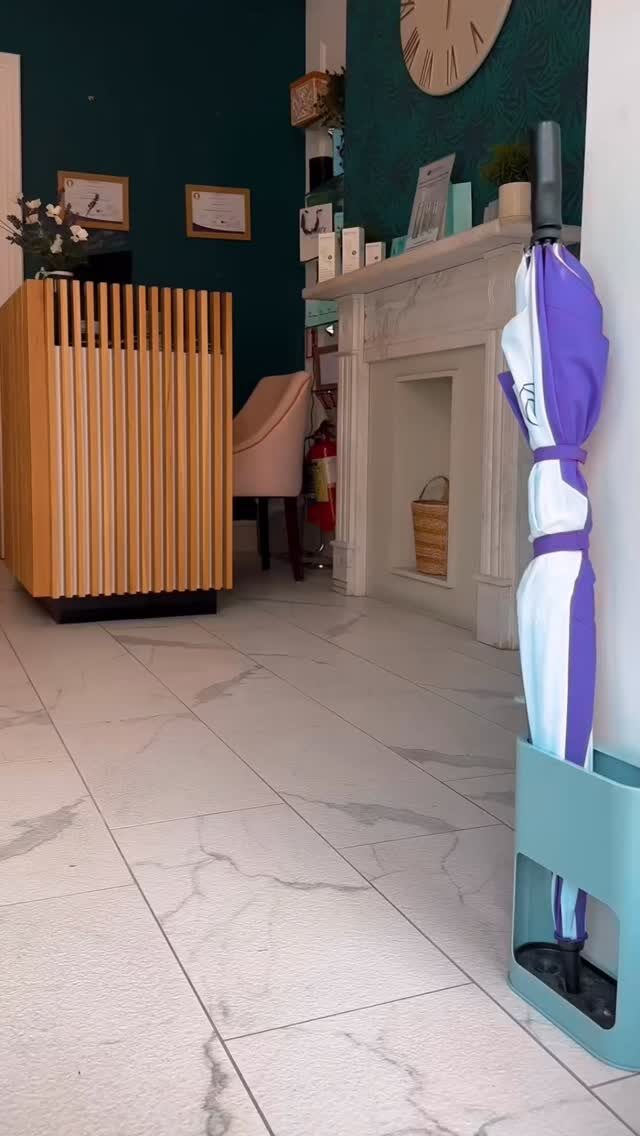
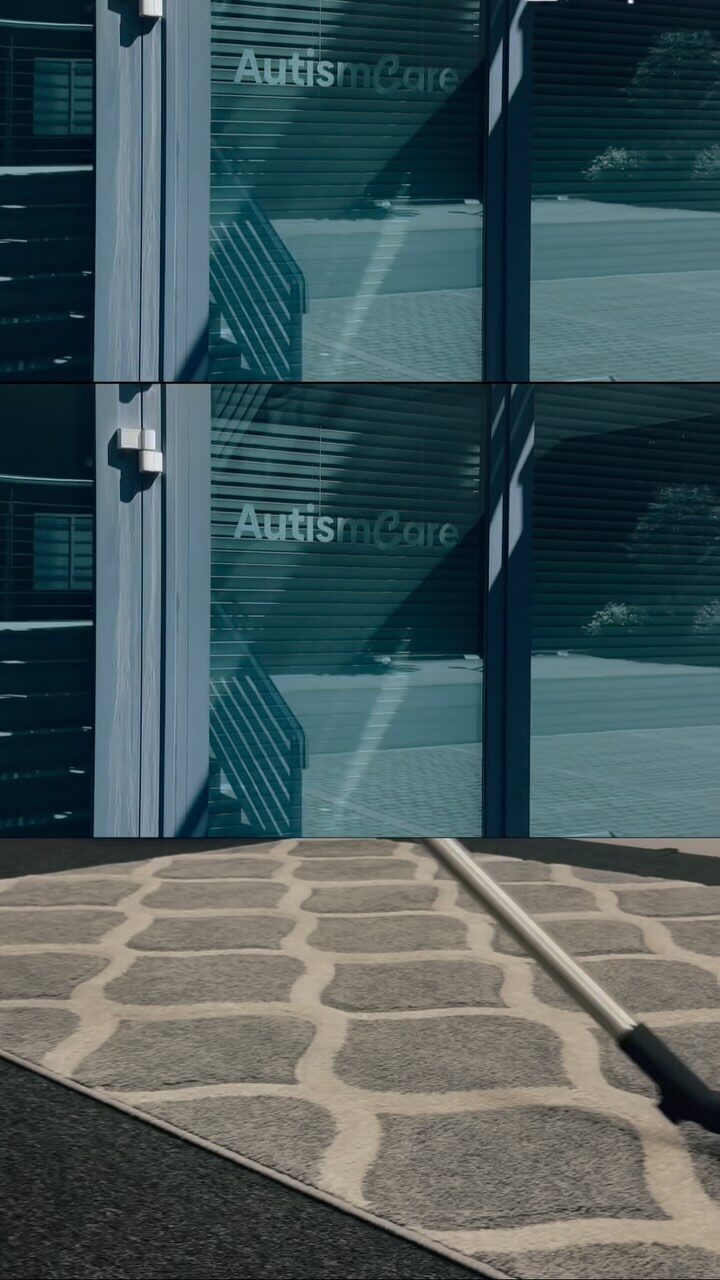
- Reception and front-of-house areas are cleaned to maintain professional presentation by wiping counters, desks, and seating; removing fingerprints and marks from glass and entry points; cleaning floors; and polishing visible surfaces that contribute to first impressions for visitors and clients.
If you need this delivered consistently for your workplace, our office cleaning service is designed for professional standards and reliable routines
What a Professional Office Clean Covers in Practice
In practice, professional office cleaning is less about ticking boxes and more about understanding how a workplace is used day to day. Offices are active environments, with varying foot traffic, shared facilities, and different hygiene pressures depending on layout, staff numbers, and working patterns. A proper cleaning approach adapts to these realities rather than applying a one-size-fits-all routine.
High-touch areas such as door handles, lift buttons, shared desks, kitchen surfaces, and washroom fixtures require consistent attention, as these are the points most likely to contribute to the spread of germs. In well-managed offices, these areas are prioritised as part of a structured cleaning plan rather than treated as occasional add-ons.
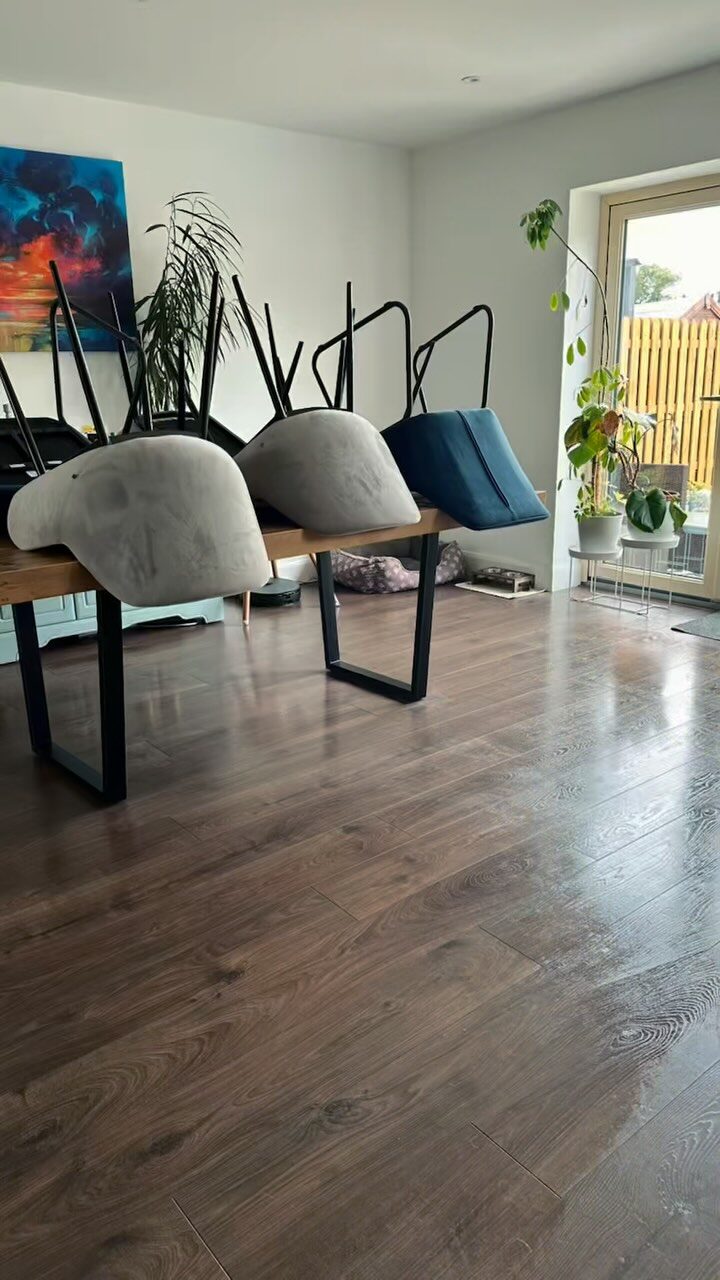
Floor care is another area where practical experience matters. Hard floors, carpets, and entrance matting all require different cleaning methods to prevent premature wear and to maintain a professional appearance. In busy offices, particularly those with client-facing areas, entrance zones and walkways often need more frequent attention than quieter spaces.
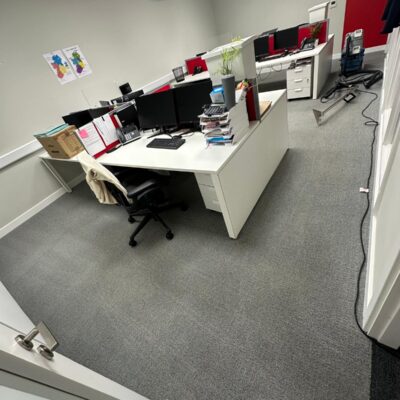
Timing also plays a role. Professional office cleaning is typically scheduled to minimise disruption, whether that means early mornings, evenings, or specific days of the week. This allows cleaning to be carried out thoroughly without interfering with staff productivity or business operations.
Across Dublin, including office environments in areas such as Howth, workplaces that follow a practical, usage-based cleaning approach tend to maintain higher hygiene standards, experience fewer complaints, and present a more consistent professional image to staff and visitors alike.
For broader workplaces beyond standard offices, our commercial cleaning services cover shared facilities, high-traffic areas, and tailored site routines.
What’s Typically Not Included in Standard Office Cleaning
While professional office cleaning covers a wide range of routine and hygiene-focused tasks, there are certain services that are not usually included as part of a standard cleaning scope. Understanding these boundaries helps avoid confusion, missed expectations, and last-minute issues.
- Deep restoration or specialist surface treatment such as carpet extraction, upholstery shampooing, hard floor polishing, stone grinding, or sealant application. These services require specialist equipment and are typically scheduled separately at longer intervals.
- Internal window cleaning at height or external glazing beyond accessible internal glass. High-level or external window cleaning usually requires specialist access equipment and additional safety planning.
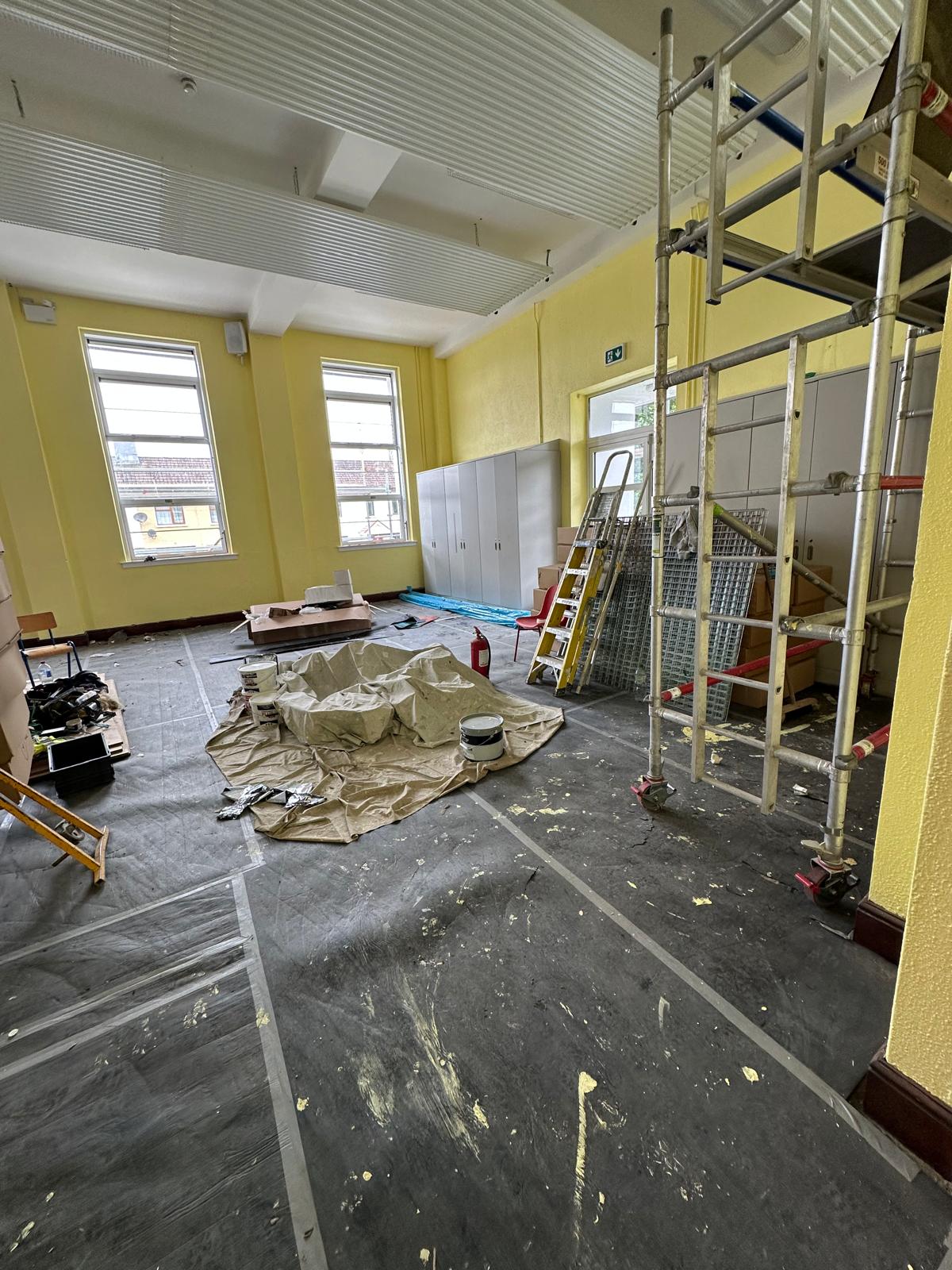
- Post-construction, renovation, or heavy-duty cleans where fine dust, paint residue, adhesives, or building debris are present. These fall under post-construction or after-builders cleaning rather than routine office maintenance.
- Hazardous or biohazard cleaning, including bodily fluids, chemical spills, or controlled waste. These situations require specialist training and compliance procedures outside standard office cleaning.
- Personal workstation organisation or decluttering, such as moving paperwork, personal items, or confidential materials. Cleaning teams work around occupied desks rather than reorganising them.
- Consumable supply beyond agreed scope, including paper products, soaps, or liners, unless specifically included in the service agreement.
Clearly defining what is and isn’t included allows office managers and facilities teams to plan supplementary services when needed and ensures routine cleaning remains consistent, efficient, and aligned with expectations.
When Additional Office Cleaning Services Are Needed
There are situations where routine office cleaning alone may not be sufficient to maintain expected hygiene or presentation standards. Identifying these scenarios early helps prevent issues from escalating and allows cleaning plans to be adjusted without disruption.
Additional services are often required after periods of increased activity, such as office moves, refurbishments, or layout changes. These events introduce higher levels of dust, debris, and surface contamination that fall outside standard maintenance cleaning.
Workplaces with high footfall or shared facilities may also need enhanced cleaning at certain times. Offices with frequent visitors, hot-desking, shared kitchens, or large washroom usage often require deeper or more frequent attention to maintain hygiene standards consistently.
Seasonal factors can also play a role. During winter months or peak illness periods, many offices introduce targeted hygiene measures, such as increased disinfection of high-touch points, to support staff wellbeing and reduce absenteeism.
In some cases, additional services are scheduled periodically to maintain long-term standards. Deep carpet cleaning, upholstery treatment, or internal window cleaning may be carried out quarterly or annually to complement routine cleaning and prevent gradual deterioration of surfaces.
Across office environments in Dublin, including busy commercial areas such as Ballsbridge, workplaces that proactively schedule supplementary cleaning tend to maintain higher standards, experience fewer complaints, and avoid reactive, last-minute interventions.
How Often Should Offices Be Cleaned
There is no single cleaning schedule that suits every workplace. How often an office should be cleaned depends on factors such as staff numbers, foot traffic, shared facilities, and the nature of day-to-day operations. Professional cleaning schedules are usually set based on usage, not guesswork.
For small offices with limited staff and low visitor traffic, cleaning is often carried out two to three times per week. This typically covers general cleaning, waste removal, kitchens, and washrooms, while still maintaining acceptable hygiene standards.
For medium-sized offices, where staff attendance is consistent and shared spaces such as kitchens and meeting rooms are used daily, daily cleaning is usually recommended. This helps control the build-up of dust, manage waste effectively, and maintain washroom hygiene throughout the working week.
For high-traffic or client-facing offices, daily cleaning — sometimes combined with targeted daytime or touchpoint cleaning — is often necessary. Reception areas, washrooms, kitchens, and shared desks require more frequent attention to maintain professional presentation and reduce hygiene risks.
Hybrid and flexible workplaces may also require adjusted schedules. Offices operating on rotating attendance patterns often benefit from cleaning aligned to peak usage days, rather than a fixed routine, ensuring standards are maintained without unnecessary duplication.
Across Dublin, including office locations in areas such as Dalkey, workplaces that align cleaning frequency with actual usage tend to maintain better hygiene, experience fewer complaints, and achieve more consistent long-term results.
Office Cleaning FAQs
What is included in office cleaning?
What is included in office cleaning typically covers a structured range of tasks such as cleaning desks and workstations, high-touch surfaces, floors, kitchens, washrooms, meeting rooms, and shared areas. A professional office cleaning scope is designed to maintain hygiene, safety, and presentation rather than just appearance.
Is there an office cleaning checklist that professionals follow?
Yes, professional office cleaning is usually carried out using a defined office cleaning checklist. This ensures all key areas — including workspaces, shared facilities, high-touch points, and floors — are cleaned consistently and nothing critical is missed over time.
How often should offices be cleaned?
How much office cleaning costs varies based on office size, cleaning frequency, access times, and the level of detail required. Most professional providers assess these factors before confirming a price, as costs are rarely one-size-fits-all.
How much is office cleaning per hour?
How much office cleaning costs per hour depends on factors such as service scope, cleaning frequency, and whether the cleaning is carried out during or outside working hours. Hourly rates can vary, which is why many businesses opt for a tailored cleaning plan rather than a fixed hourly approach.
Why use professional office cleaning instead of ad-hoc cleaning?
Professional office cleaning provides consistency, accountability, and clear standards that ad-hoc or informal cleaning cannot match. It ensures hygiene requirements are met, overlooked areas are addressed, and workplaces remain safe and presentable for staff and visitors.
Want help choosing the right scope and frequency? Get in touch with our team and we’ll recommend a cleaning plan that fits your office.