Commercial cleaning is often misunderstood and underestimated by businesses. Many assume it’s limited to basic tasks like emptying bins and vacuuming floors, but in reality, professional commercial cleaning covers far more and follows defined standards.
Understanding what commercial cleaning actually includes helps businesses set the right expectations, maintain safe environments, and avoid costly gaps in service. This guide breaks down what commercial cleaning really involves, what’s typically included, and what businesses should know before hiring professional cleaners.
Commercial cleaning covers professional cleaning carried out in business and commercial environments through structured services tailored to each workplace.
What Is Commercial Cleaning?
Commercial cleaning refers to professional cleaning services carried out in business, commercial, and public environments rather than private homes. It covers the routine and specialist cleaning of workplaces such as offices, retail units, clinics, shared buildings, and other commercial premises.
Unlike domestic cleaning, commercial cleaning follows structured processes, defined scopes of work, and quality standards designed to keep workplaces hygienic, safe, and presentable on an ongoing basis. It is typically delivered on a scheduled basis and tailored to the size, layout, and use of the premises.
Commercial cleaning may include regular maintenance cleaning, periodic deep cleaning, or specialised services depending on the needs of the business and the environment being cleaned
What Does Commercial Cleaning Include?
- General office and work areas – cleaning of desks (where permitted), workstations, meeting rooms, shared spaces, and high-touch surfaces.
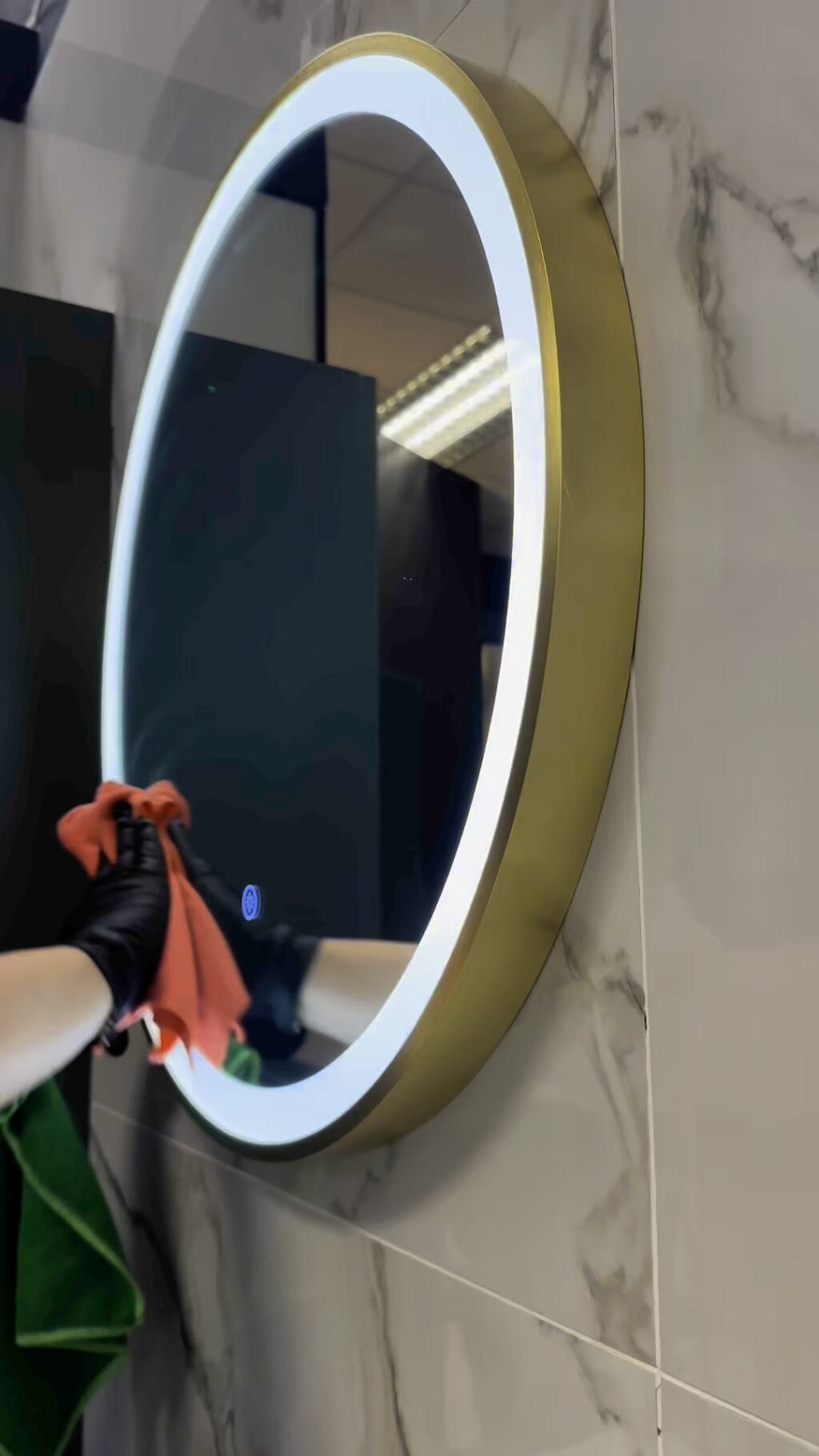
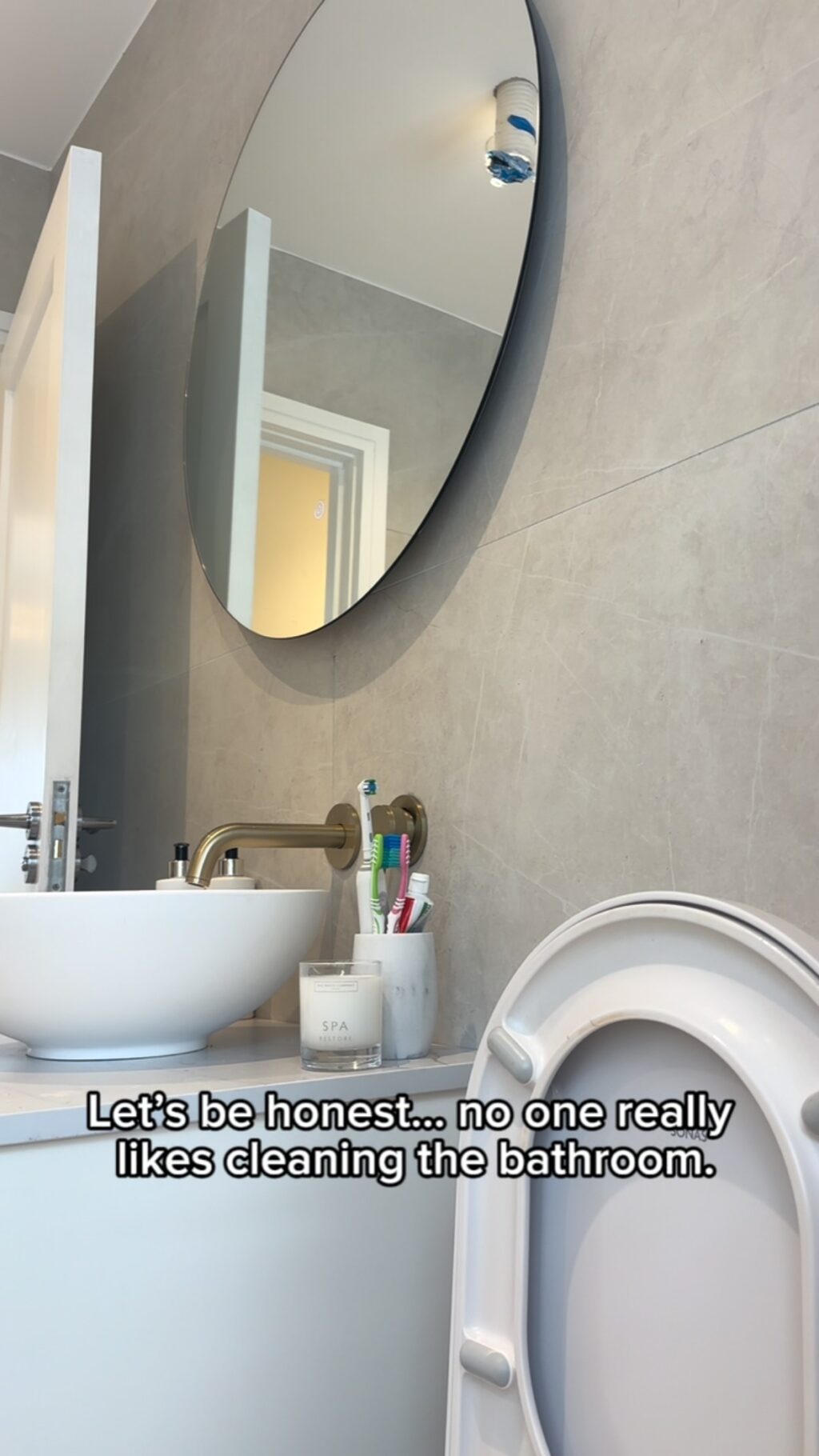
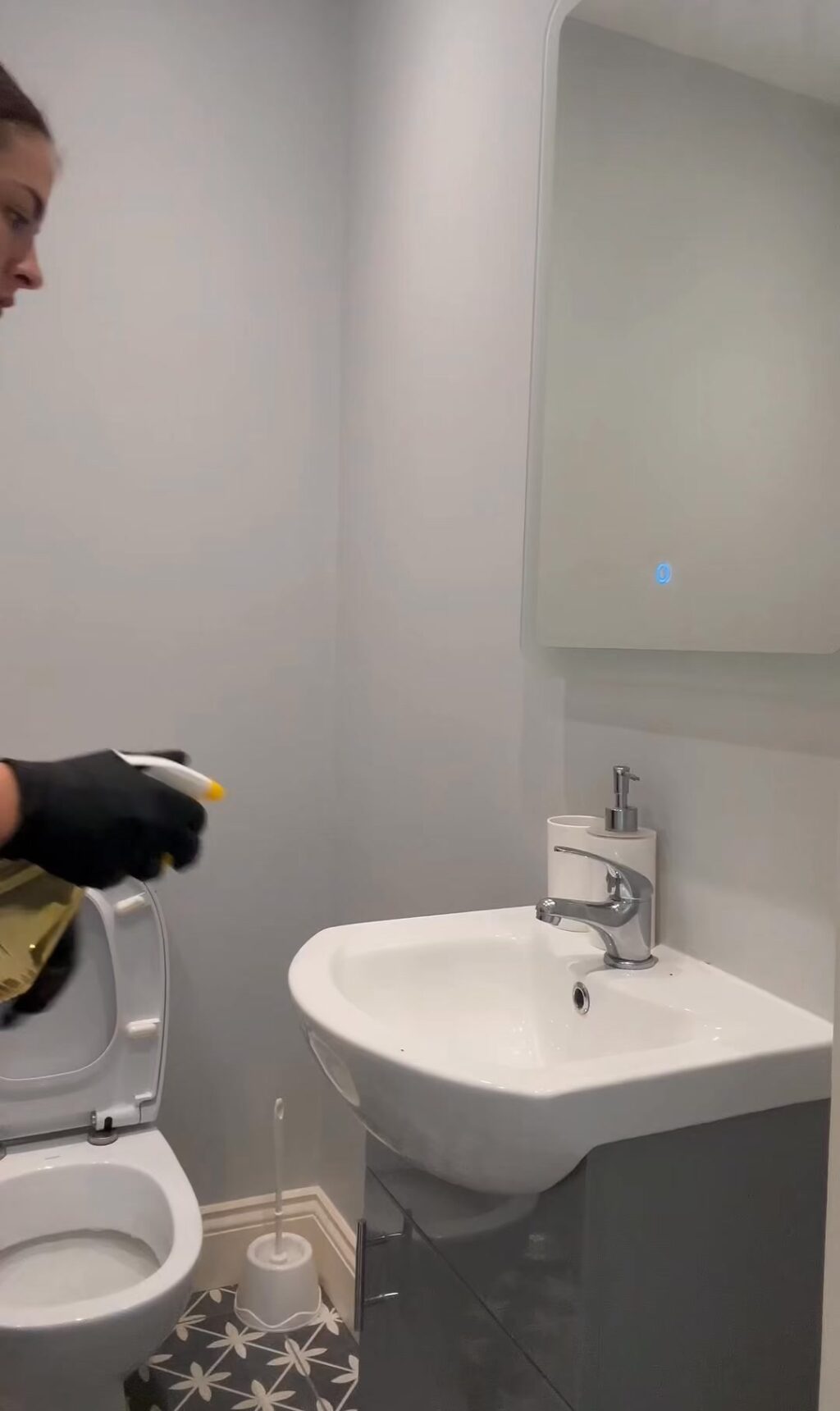
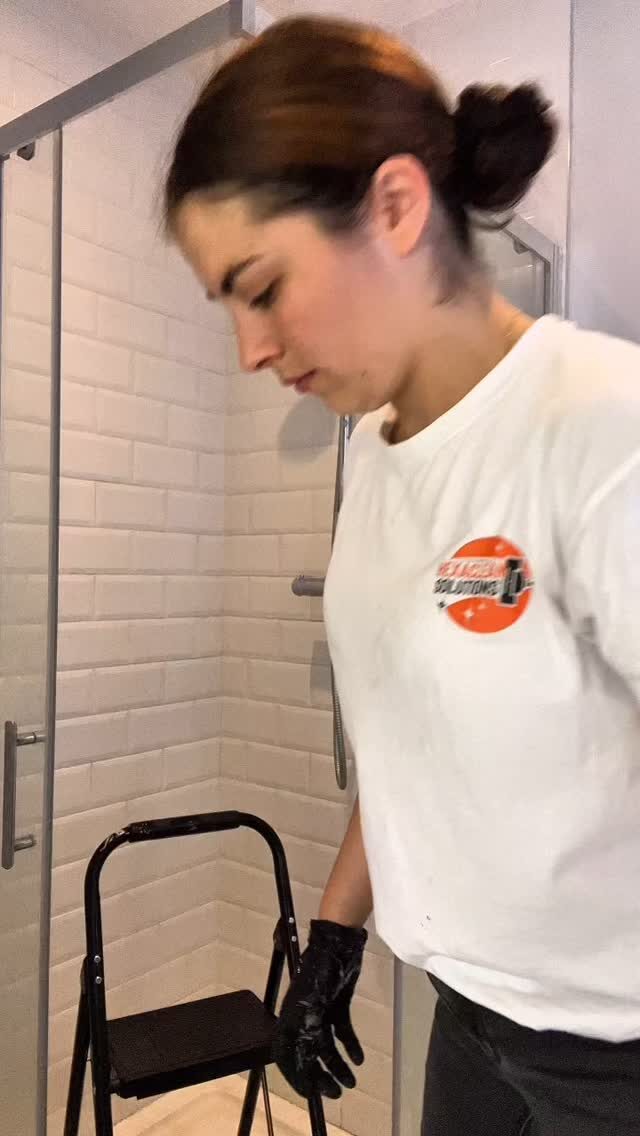
- Washrooms and toilets – sanitising toilets, sinks, mirrors, partitions, dispensers, and floors to maintain hygiene standards.
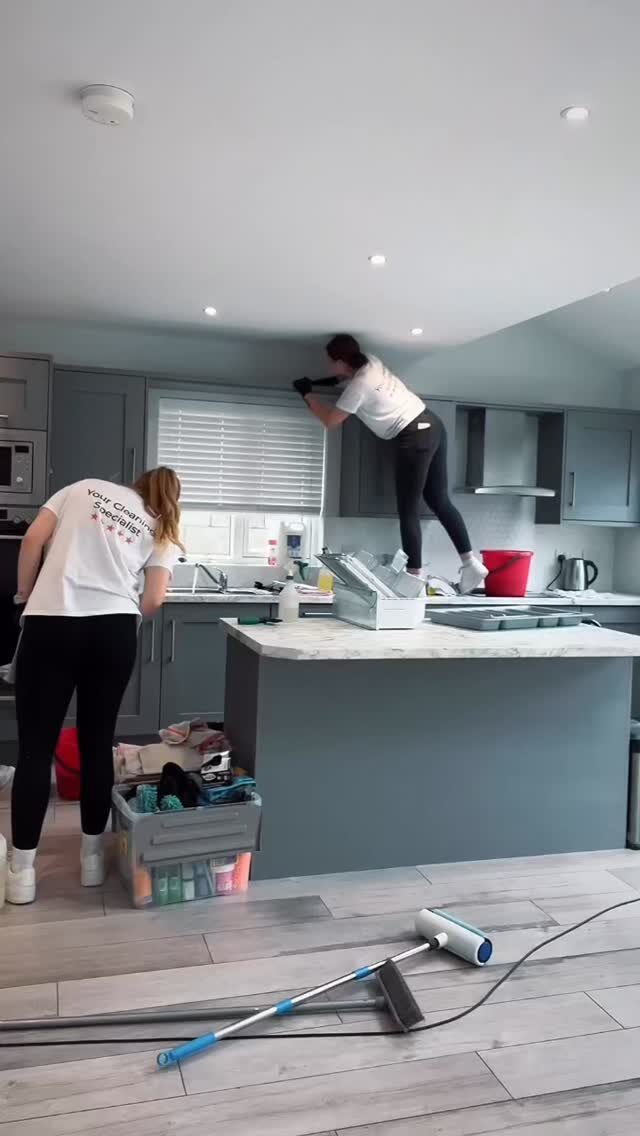
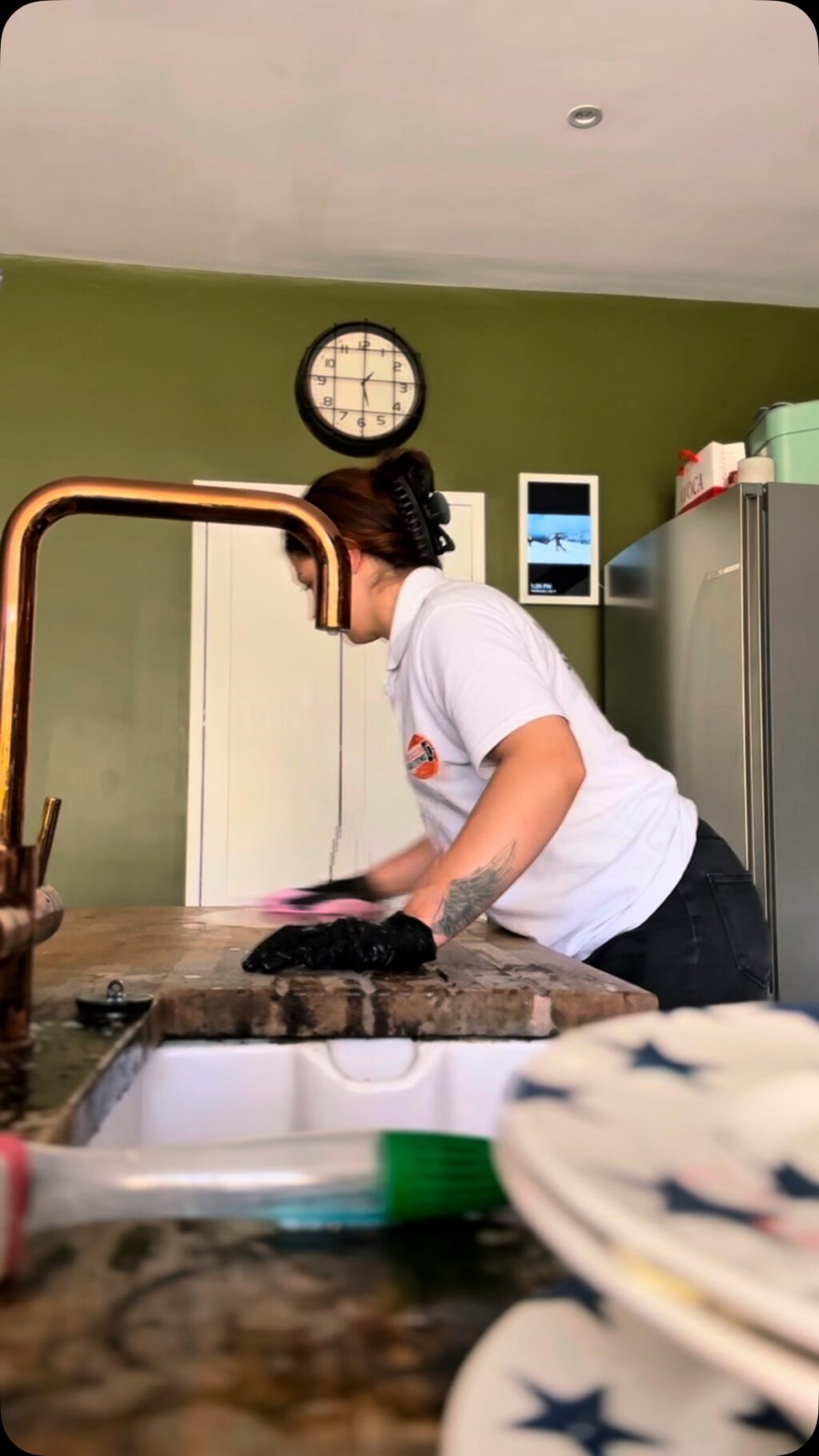
- Kitchens and break areas – cleaning sinks, worktops, external appliance surfaces, bins, and shared food preparation areas.
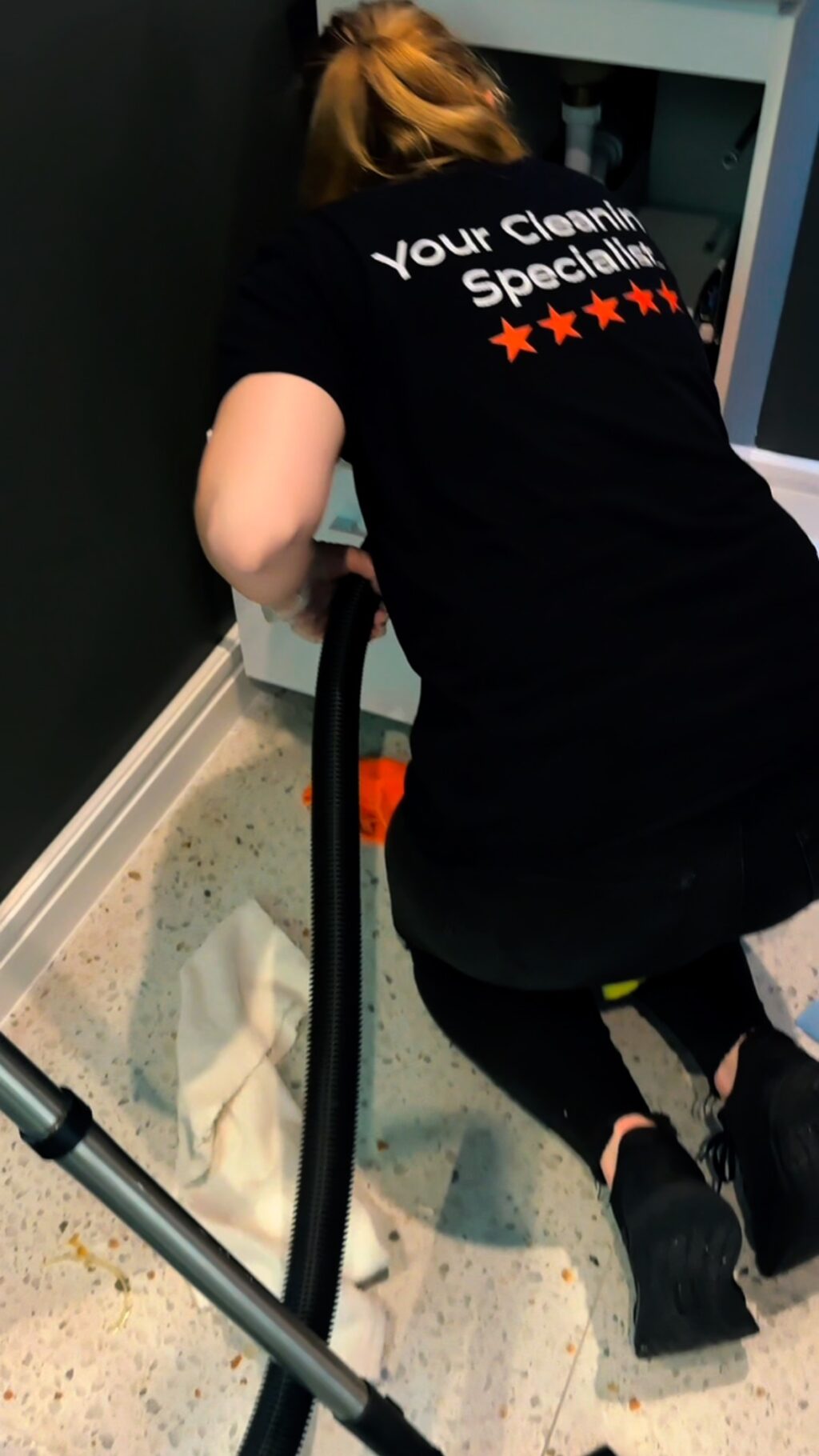
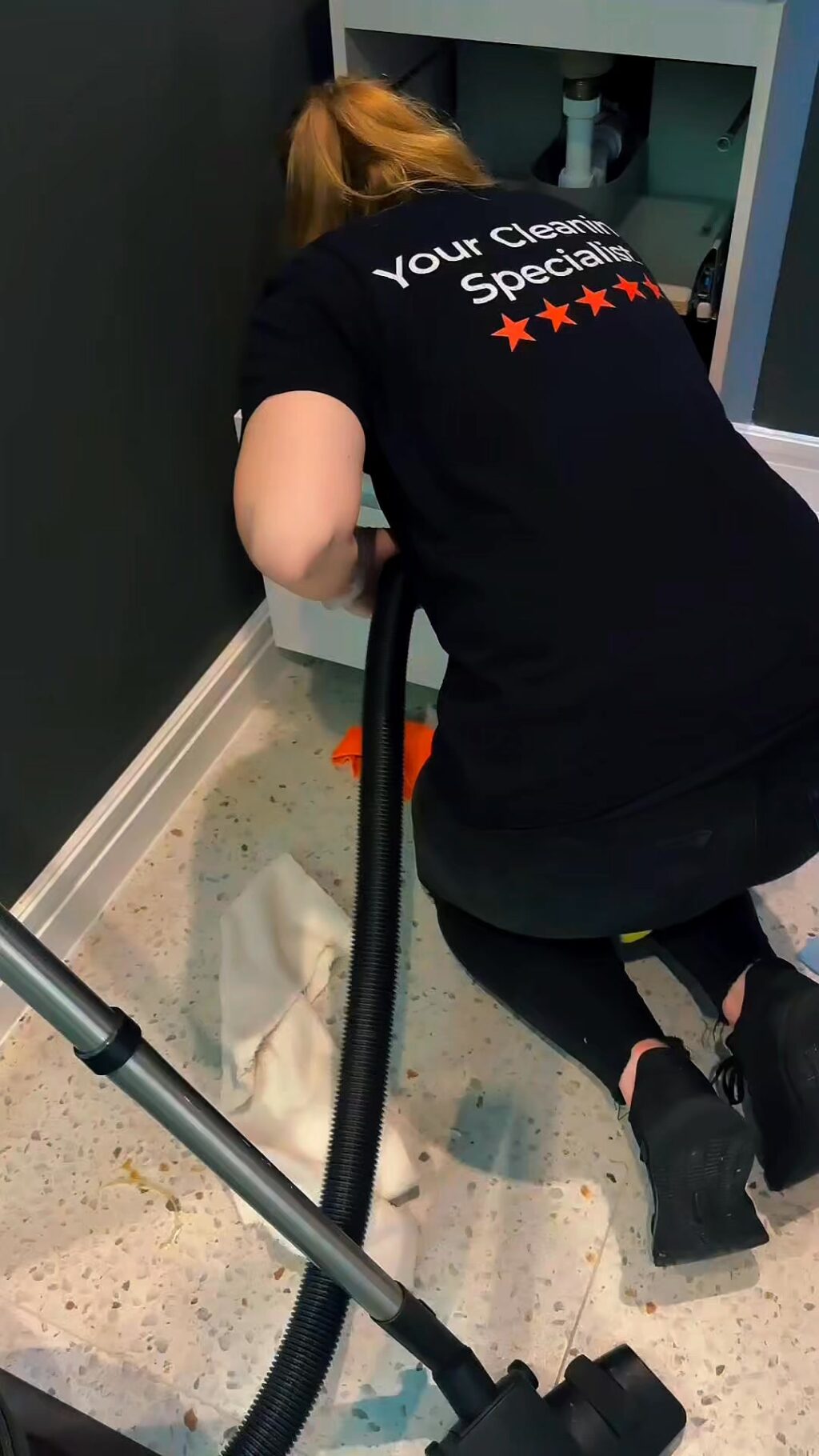
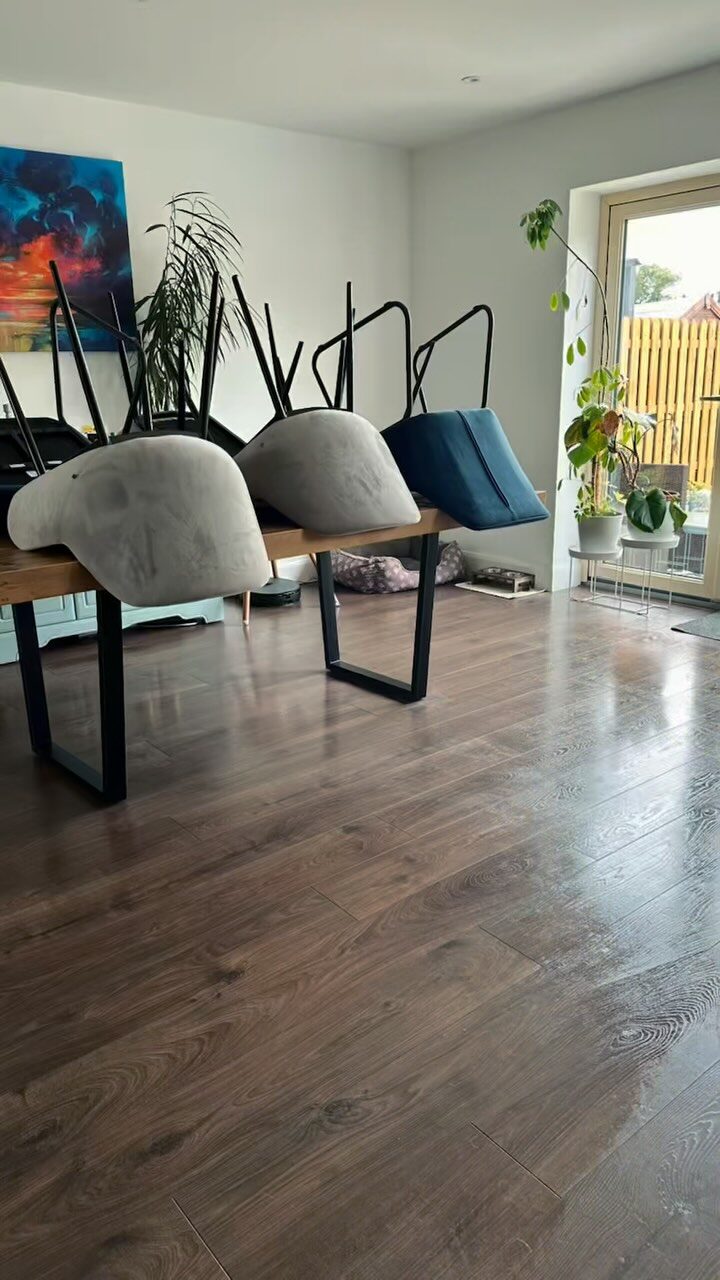
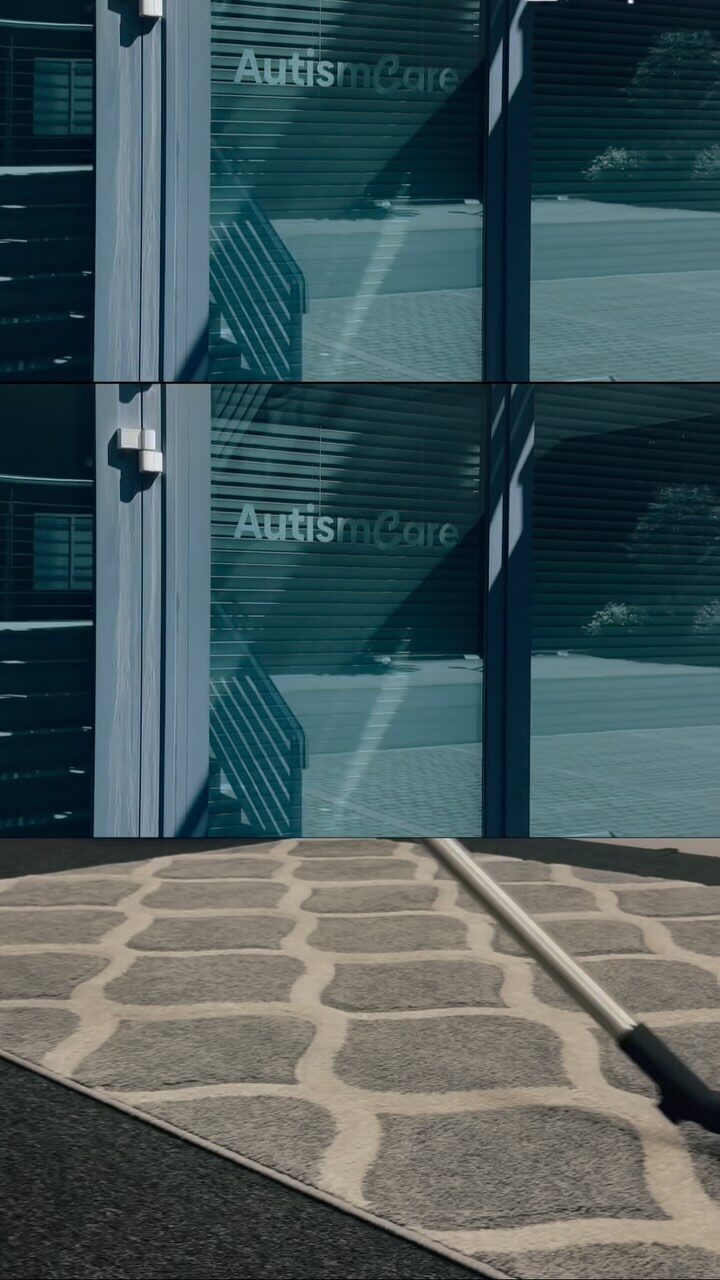
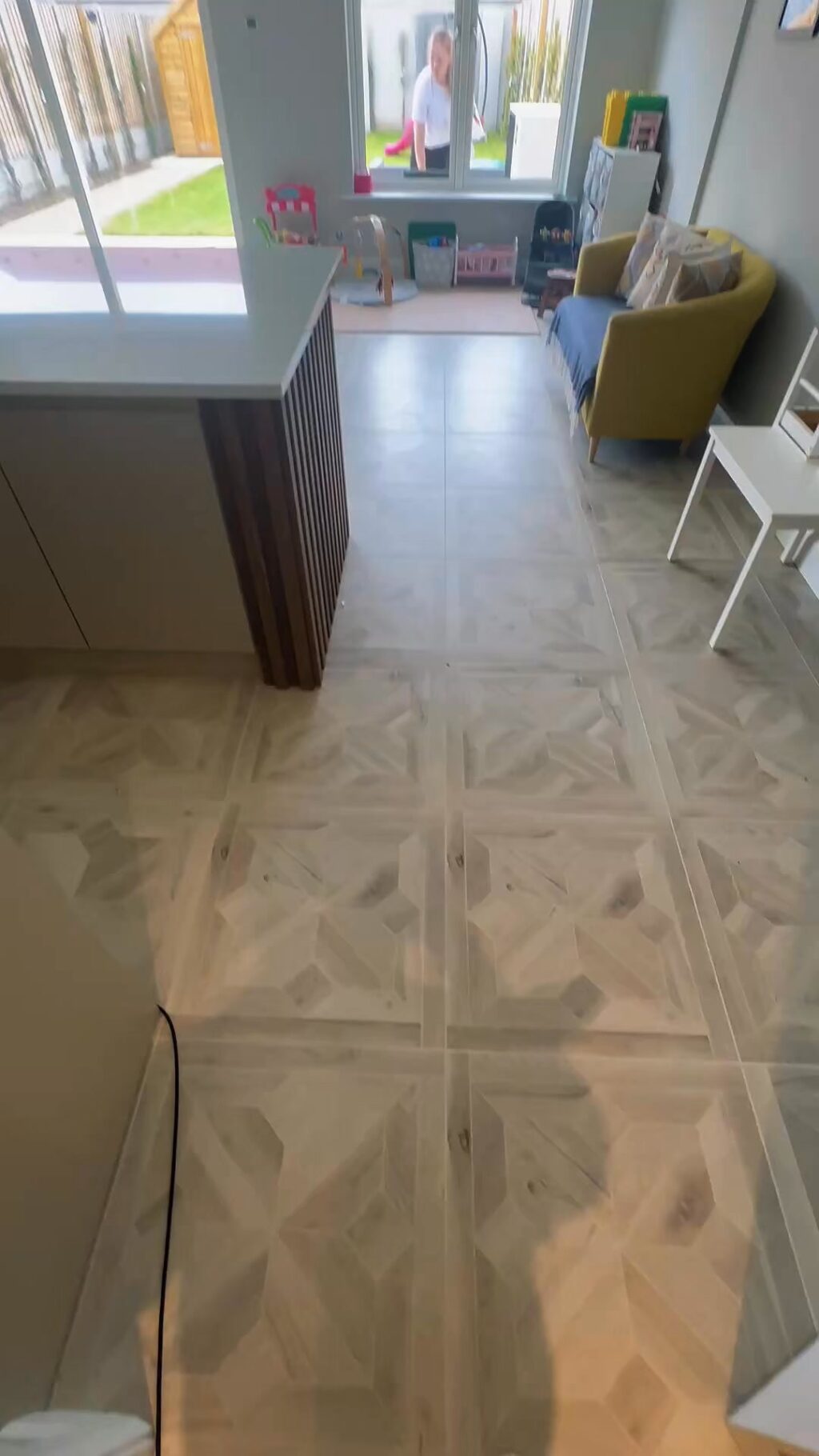
- Floors and floor coverings – vacuuming carpets and sweeping or mopping hard floors as part of routine commercial office cleaning.
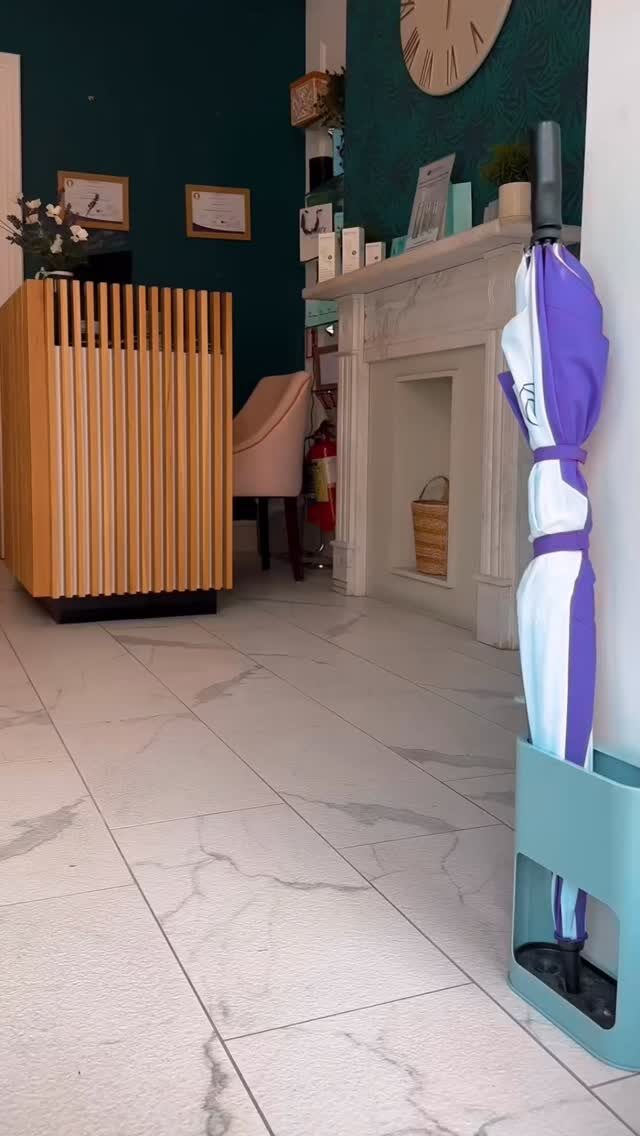
- Internal glass and doors – cleaning internal glass, doors, and entrance areas to maintain a professional appearance.
- Bins and waste removal – emptying bins and removing waste from work areas, washrooms, and shared spaces.
- High-touch points – disinfecting switches, handles, handrails, lift buttons, and other frequently used surfaces.
Commercial Cleaning vs Office Cleaning – What’s the Difference?
Office cleaning is a form of commercial cleaning, but the two terms are not interchangeable. Commercial cleaning is a broader category that covers a wide range of business and public environments, while office cleaning focuses specifically on office-based workplaces.
Commercial cleaning services may apply to offices, retail units, clinics, shared buildings, and other commercial premises, often requiring different cleaning frequencies, standards, and levels of oversight. Office cleaning, on the other hand, is typically limited to workstations, meeting rooms, kitchens, and washrooms within office environments.
Understanding the difference between commercial cleaning and office cleaning helps businesses choose the right service level and avoid gaps in cleaning coverage that can impact hygiene, safety, and presentation.
While office cleaning focuses on office-based workplaces, office cleaning is just one part of broader commercial cleaning services that also cover other business environments.
How Often Should Commercial Spaces Be Cleaned?
How often commercial spaces should be cleaned depends on the type of premises, the number of people using the space, and the level of foot traffic throughout the day. There is no one-size-fits-all approach, which is why professional commercial cleaning services tailor cleaning schedules to each business.
High-traffic commercial environments, such as busy offices, clinics, or shared buildings, typically require daily commercial cleaning to maintain hygiene and presentation. Moderate-use workplaces may be cleaned several times per week, while low-traffic commercial spaces may only require weekly cleaning supported by periodic deep cleaning.
In addition to routine commercial office cleaning, most businesses benefit from scheduled deep cleans to address built-up dirt, high-touch areas, and floor wear that standard cleaning does not fully cover.

What’s Typically NOT Included in Standard Commercial Cleaning
Standard commercial cleaning is designed to maintain cleanliness and hygiene on a routine basis, but it does not cover every possible cleaning task. Many businesses assume certain services are included by default when they are not, which can lead to gaps in expectations.
The following tasks are not usually included in standard commercial cleaning services unless specifically agreed in advance:
Typical exclusions include:
- Deep carpet cleaning or extraction – routine vacuuming is standard, but deep carpet cleaning is usually scheduled separately.
- Machine scrubbing or polishing of hard floors – specialist floor treatments are not part of regular commercial office cleaning.
- Internal window cleaning at height – high-level or external glazing typically requires specialist access and equipment.
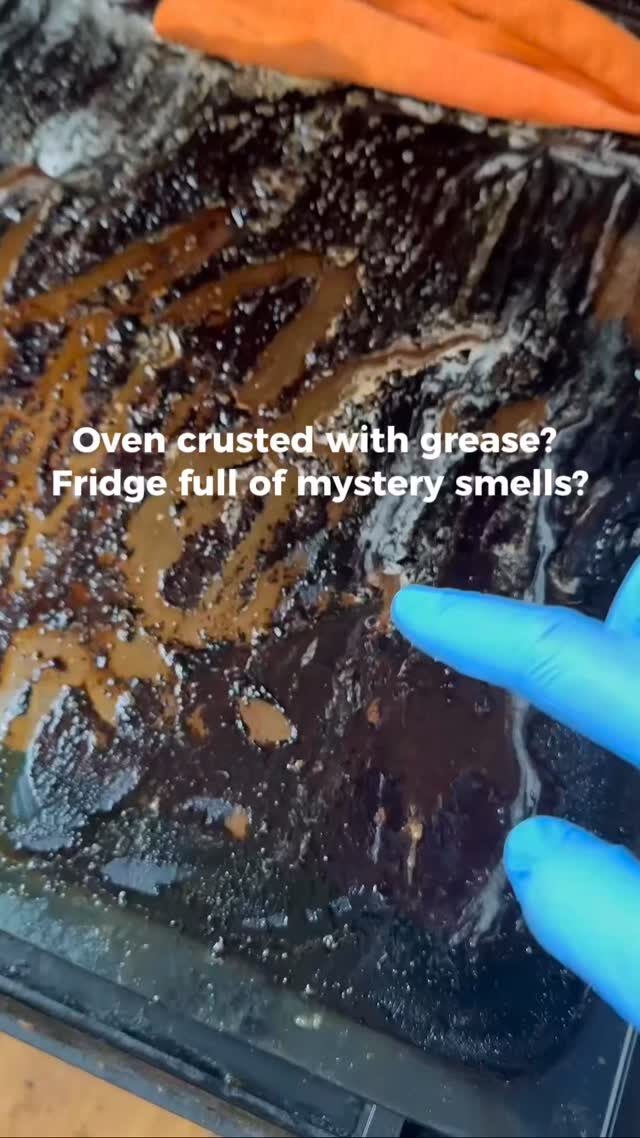
- Heavy grease or industrial residue removal – environments such as kitchens or workshops may require specialised cleaning services.
- Cleaning inside personal storage – drawers, filing cabinets, and personal items are usually excluded for privacy reasons.
Clarifying what is and isn’t included in commercial cleaning services helps businesses avoid misunderstandings and ensures the correct level of cleaning is put in place from the start.
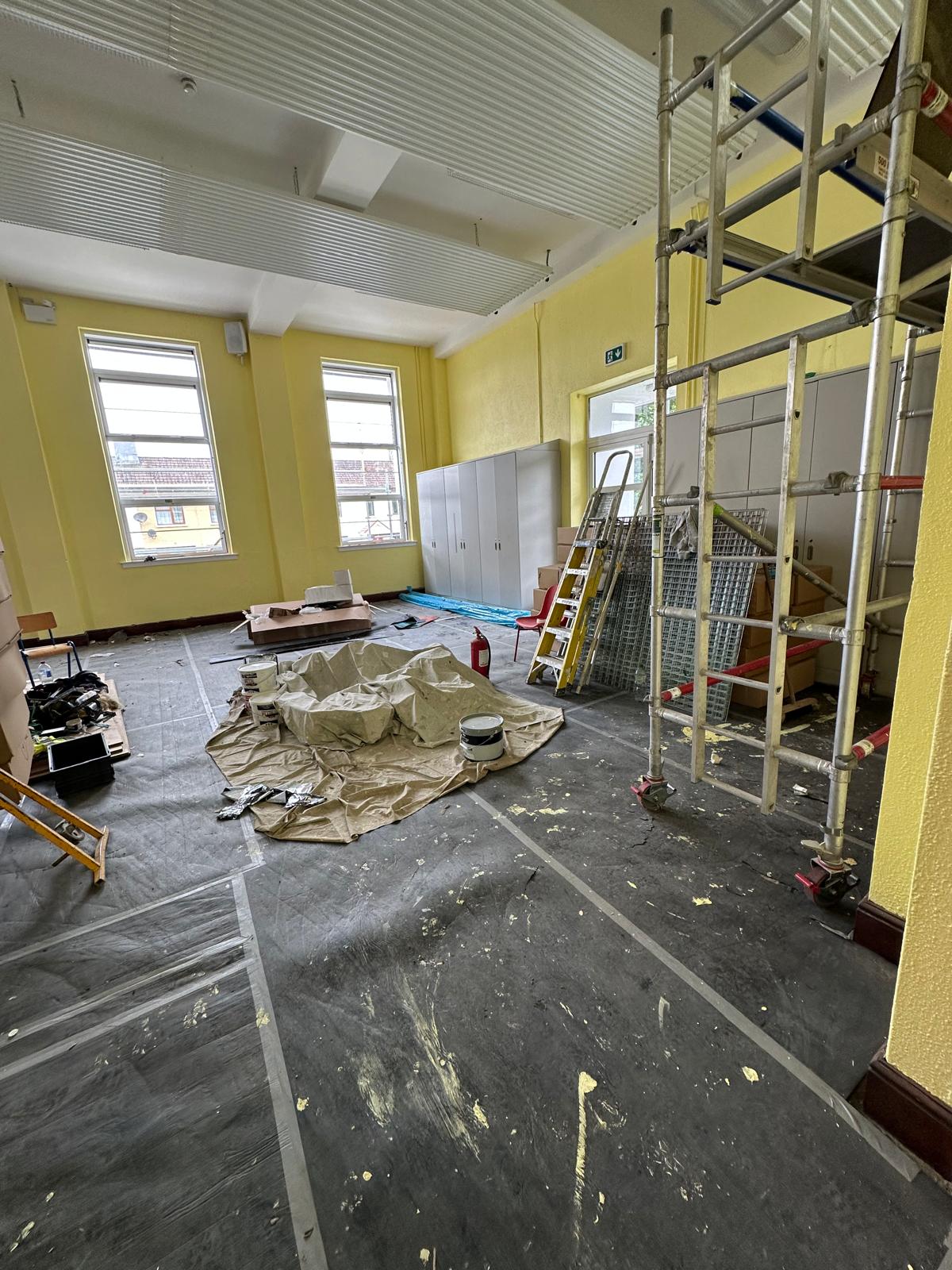
Standard commercial cleaning does not replace specialist services such as post construction cleaning, which is required after renovation, fit-out, or building works.
Commercial Cleaning Standards & Quality Control
Professional commercial cleaning is not just about completing tasks, but about maintaining consistent standards over time. Reputable commercial cleaning services follow defined cleaning procedures, checklists, and quality control processes to ensure workplaces remain hygienic, safe, and presentable.
Cleaning standards typically cover how tasks are carried out, which products and equipment are used, and how frequently areas are inspected. In commercial environments, this consistency is critical, particularly in shared spaces, offices, and public-facing premises where hygiene and presentation directly impact staff wellbeing and business image.
Quality control in commercial cleaning often includes routine inspections, spot checks, and ongoing supervision to ensure cleaning standards are being met. Any issues identified can then be addressed quickly, preventing small problems from becoming long-term hygiene or maintenance concerns.
Clear standards and regular quality checks help businesses maintain confidence in their commercial cleaning service and ensure the agreed scope of work is delivered consistently.
How Much Does Commercial Cleaning Cost?
The cost of commercial cleaning varies depending on several key factors rather than a fixed price. Every commercial space is different, which is why professional commercial cleaning services assess requirements before setting a cleaning schedule and scope.
Factors that typically influence commercial cleaning costs include the size of the premises, how often cleaning is required, the type of environment being cleaned, and the level of detail involved. High-traffic commercial spaces, shared buildings, or public-facing premises generally require more frequent cleaning and closer quality control.
Additional considerations such as specialist services, out-of-hours cleaning, or periodic deep cleaning can also affect overall costs. For this reason, commercial cleaning is usually priced based on a tailored service plan rather than a one-size-fits-all rate.
Understanding these factors helps businesses budget accurately and ensures the level of commercial cleaning provided matches the needs of the workplace.
Who Needs Commercial Cleaning Services?
Commercial cleaning services are used by a wide range of businesses and organisations that need to maintain clean, hygienic, and professional environments. Any space used by staff, customers, or the public can benefit from structured commercial cleaning.
Commercial cleaning is commonly required by:
- Offices and corporate workplaces – to maintain hygiene, reduce illness, and present a professional image for staff and visitors.
- Retail units and showrooms – where cleanliness directly affects customer perception and foot traffic.
- Clinics, medical practices, and healthcare settings – where hygiene standards and infection control are critical.
- Property managers and shared buildings – including multi-tenant offices, apartment blocks, and managed commercial spaces.
- Contractors and fit-out companies – who require professional cleaning before handover or occupancy.
- Educational and training facilities – where high daily foot traffic requires consistent cleaning schedules.
Commercial Cleaning FAQs
What does commercial cleaning mean?
Commercial cleaning means professional cleaning services carried out in business and commercial environments rather than private homes. It focuses on maintaining hygiene, safety, and presentation in workplaces such as offices, retail units, clinics, and shared commercial buildings.
What’s included in a commercial clean?
A commercial clean typically includes cleaning work areas, washrooms, kitchens or break areas, floors, internal glass, bins, and high-touch surfaces. The exact scope depends on the premises and the agreed cleaning schedule.
What’s the difference between domestic cleaning and commercial cleaning?
Domestic cleaning is designed for private homes, while commercial cleaning follows structured standards and schedules suitable for workplaces and public-facing environments. Commercial cleaning often involves larger spaces, higher foot traffic, and stricter hygiene requirements.
What are the main types of commercial cleaning?
Commercial cleaning generally includes routine maintenance cleaning, periodic deep cleaning, and specialist services such as floor care or post-construction cleaning, depending on the needs of the business.
How often should commercial cleaning be carried out?
Cleaning frequency depends on foot traffic and space usage. Many commercial spaces require daily or several-times-weekly cleaning, supported by periodic deep cleaning to maintain standards.
How long does it take to clean a commercial space?
The time required depends on the size of the premises, layout, and level of cleaning needed. Larger or high-traffic commercial spaces typically require more time and more frequent cleaning than smaller offices.
Is commercial cleaning the same as office cleaning?
Office cleaning is a type of commercial cleaning, but commercial cleaning also covers other environments such as retail units, clinics, shared buildings, and non-office commercial spaces.
What is not usually included in commercial cleaning?
Standard commercial cleaning does not usually include deep carpet cleaning, machine floor scrubbing, high-level window cleaning, post-construction cleaning, or specialist restoration services unless agreed separately.
For a general definition and background, see commercial cleaning.