A Guide for Site Managers Approaching Handover
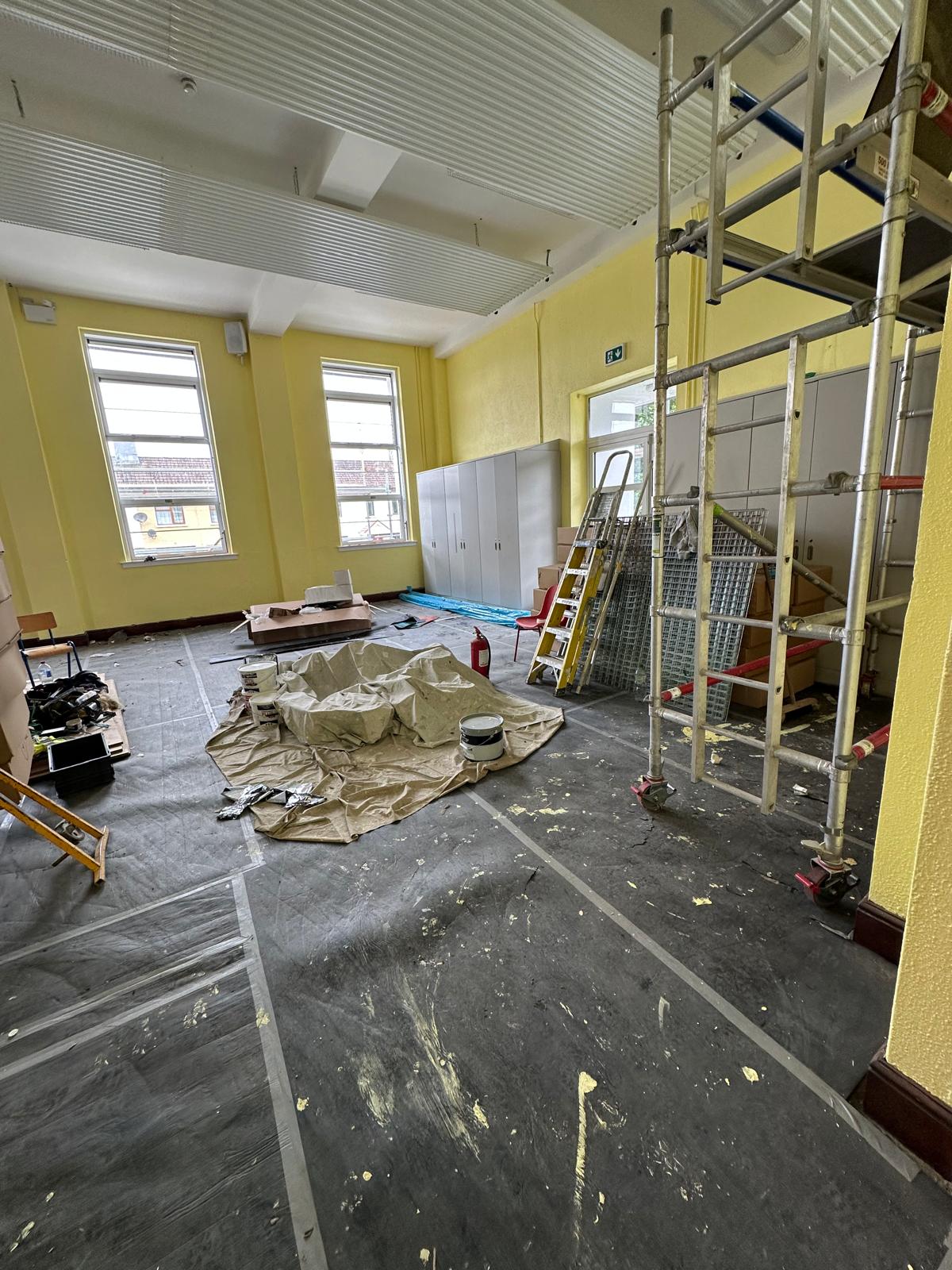
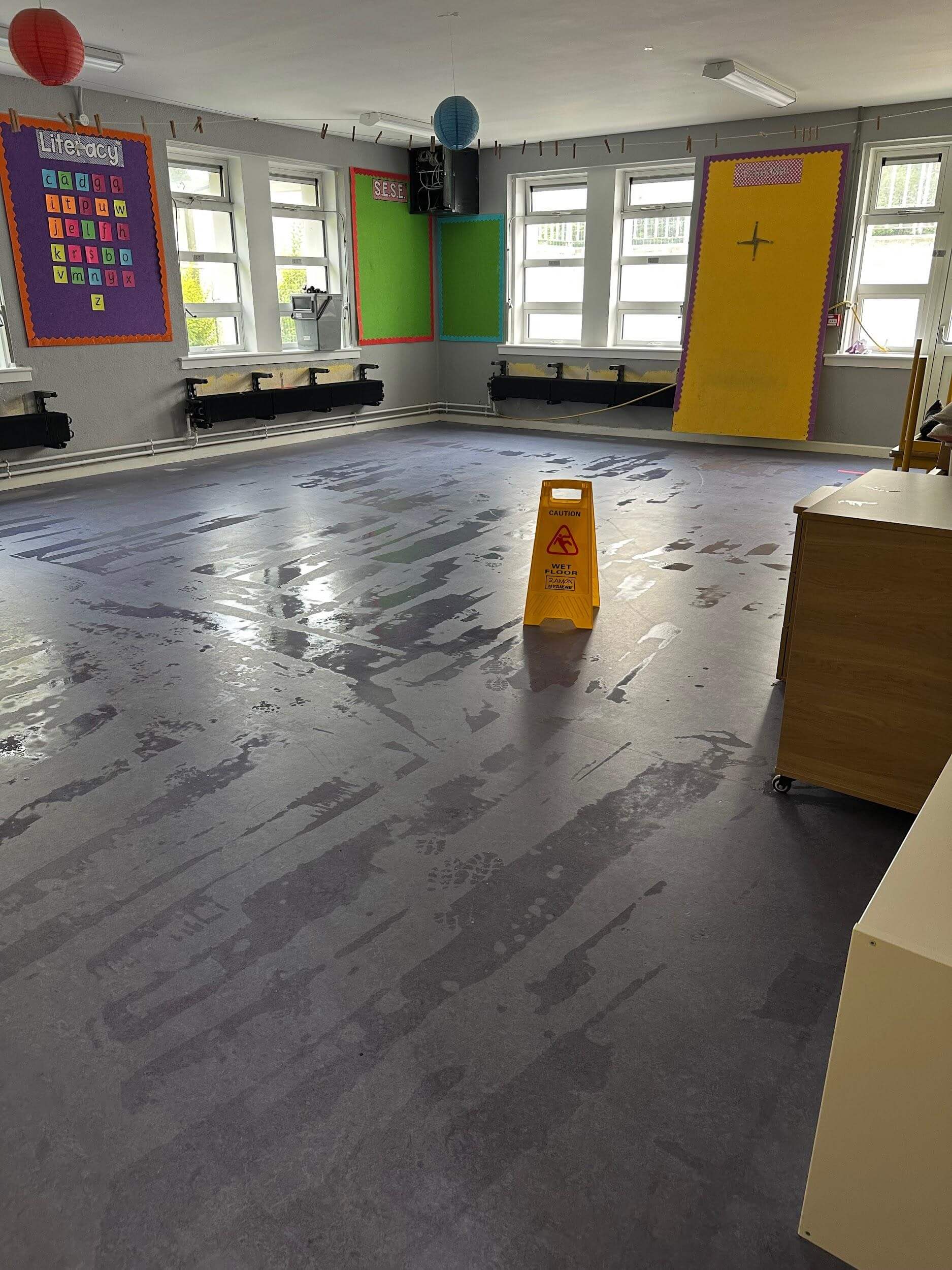
As a site or project manager, the final stage of a build is often the most pressured. Deadlines tighten, inspections are booked, and presentation suddenly matters just as much as workmanship. Post construction cleaning is not a cosmetic extra at this stage — it’s a practical requirement for inspection, sign-off, and client approval.
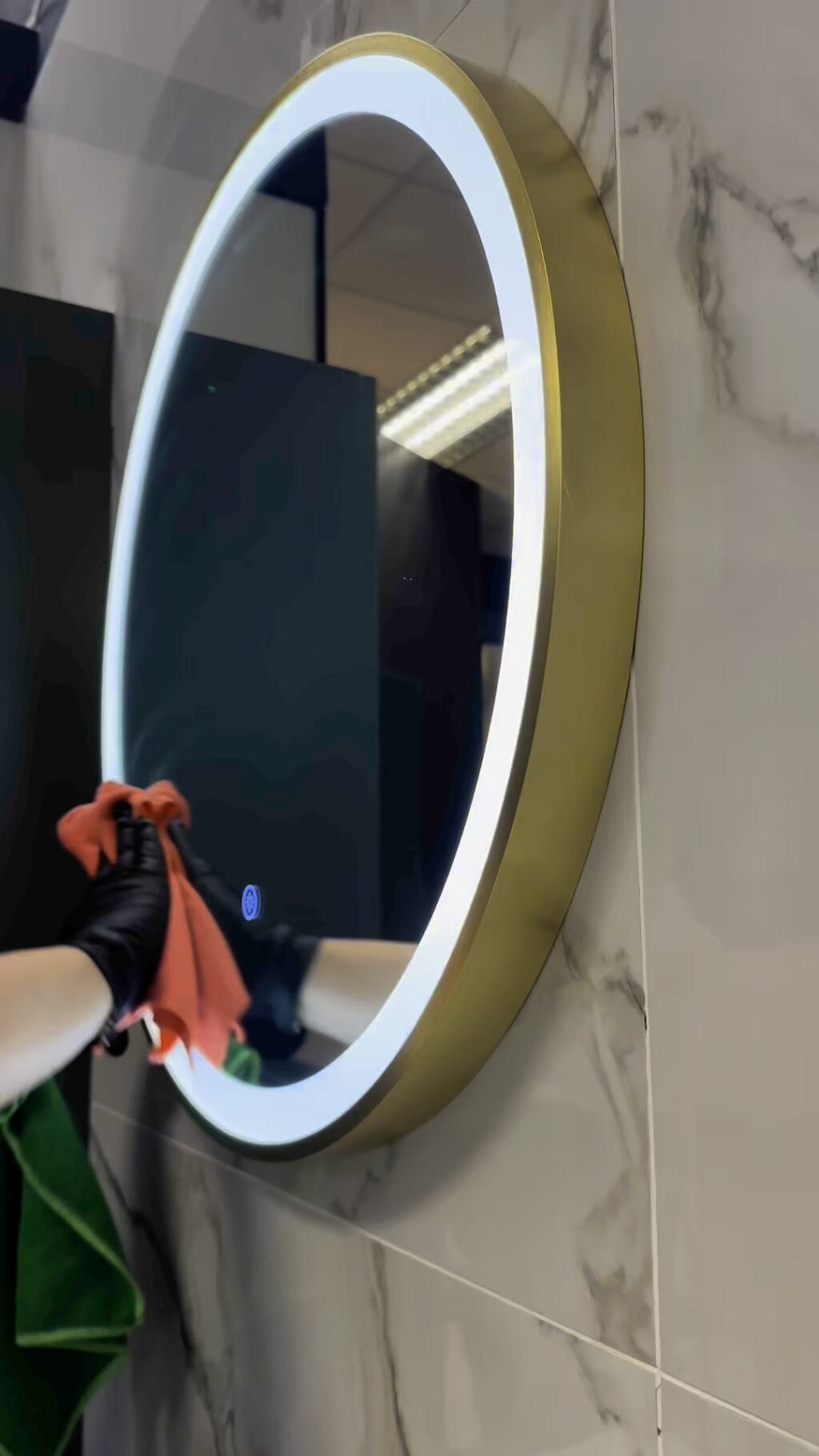
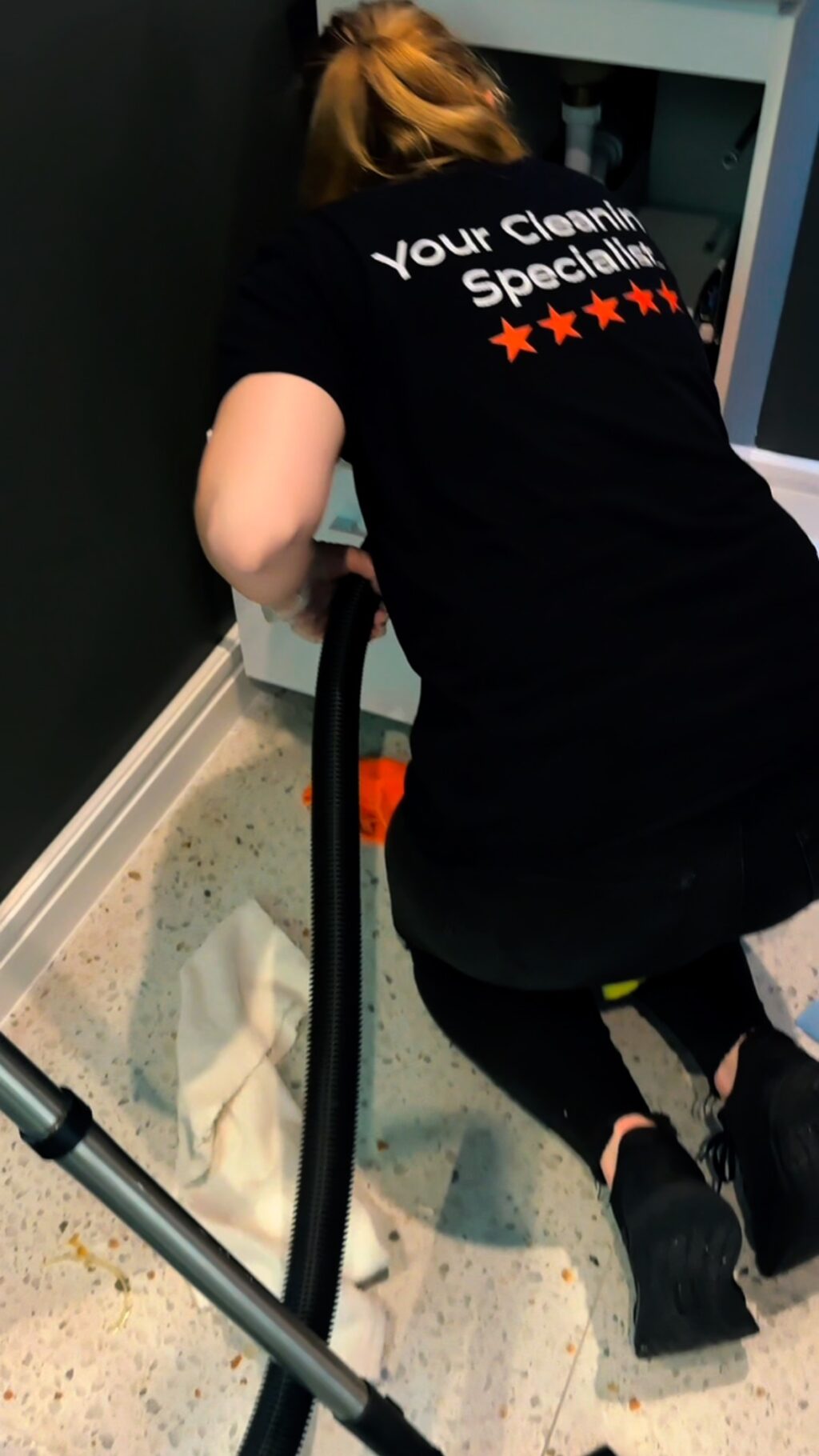
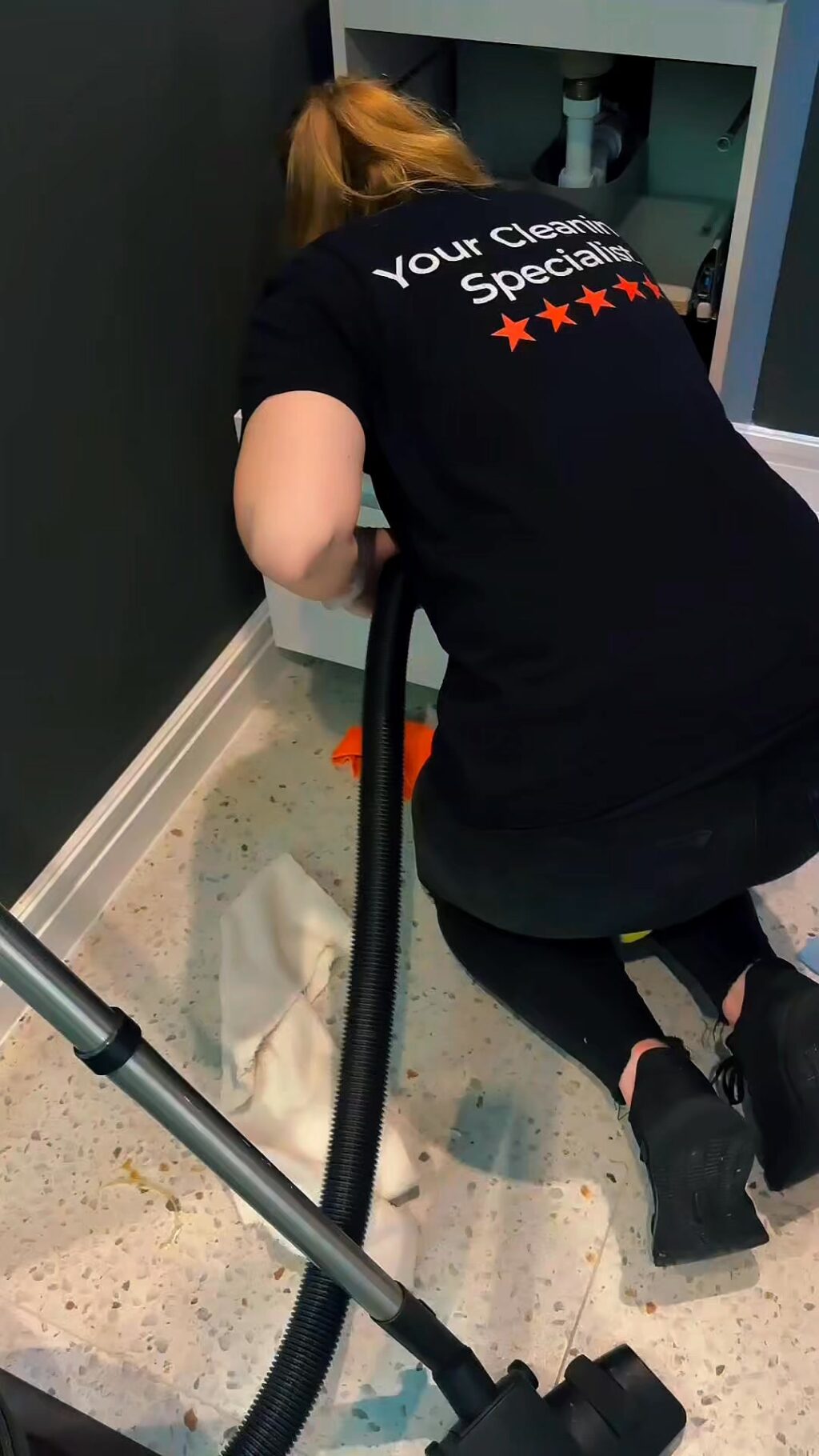
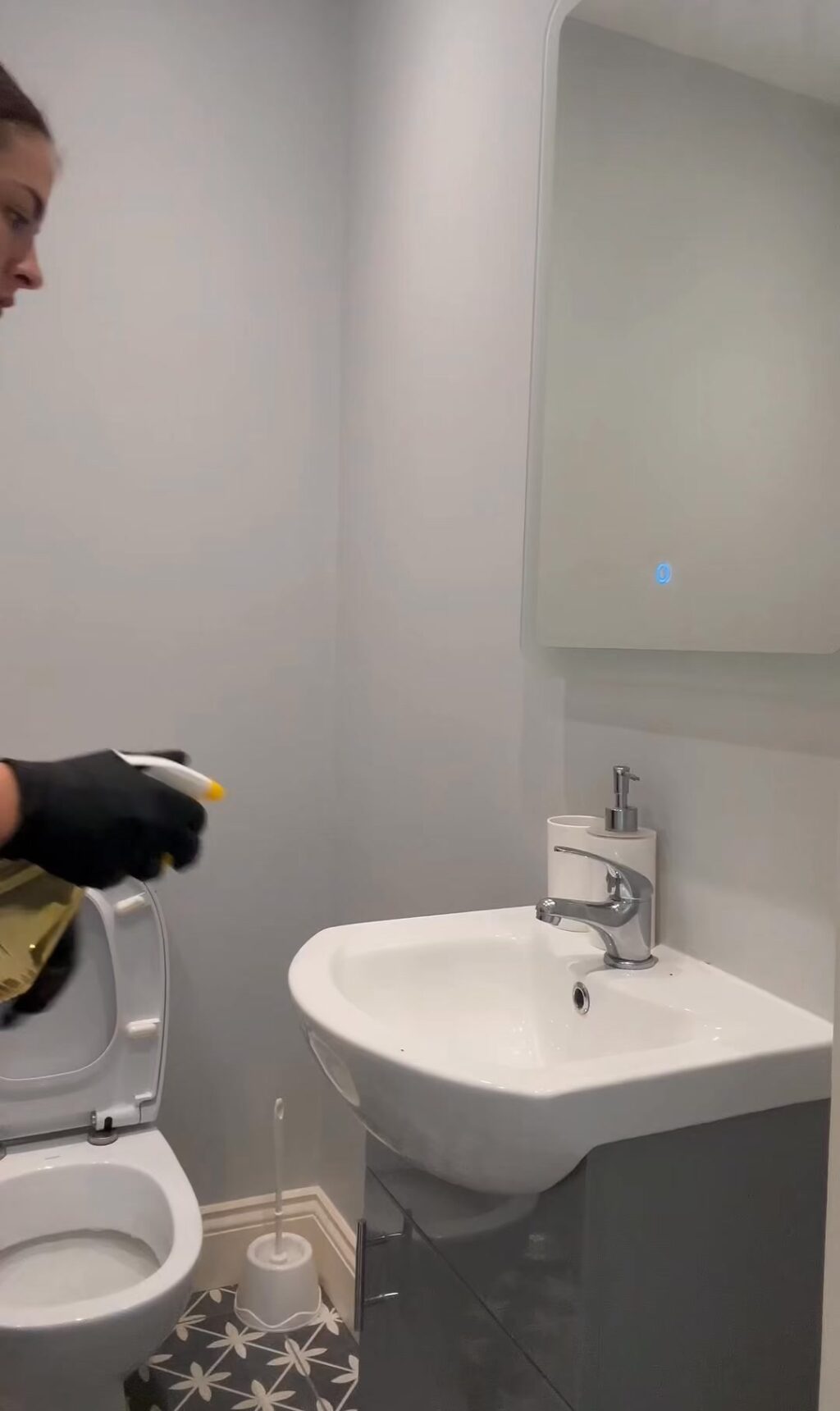
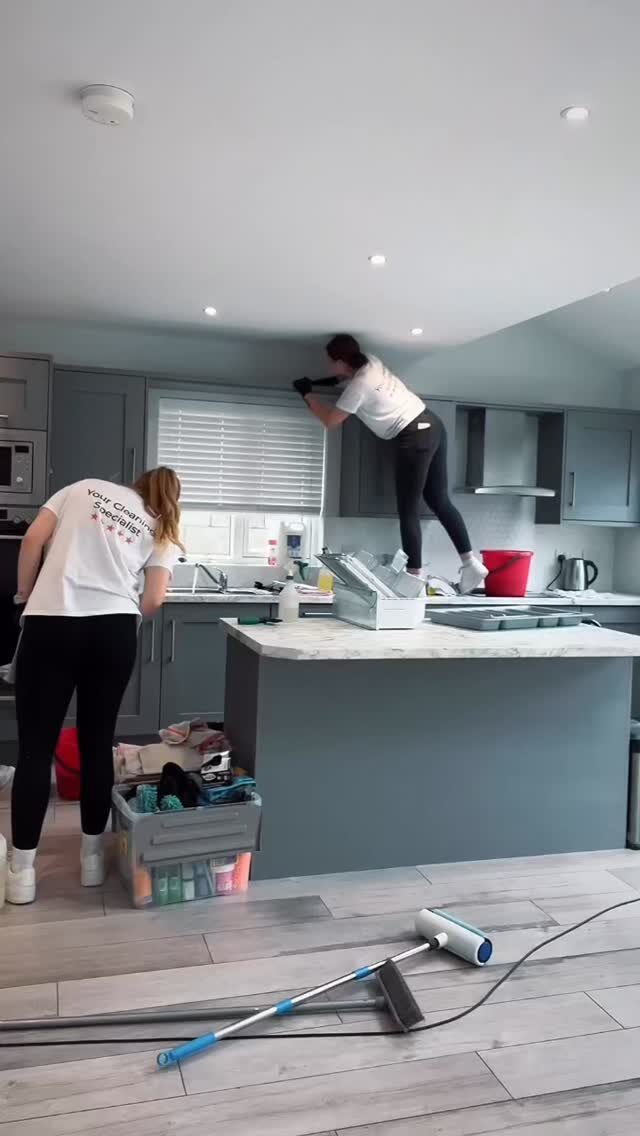
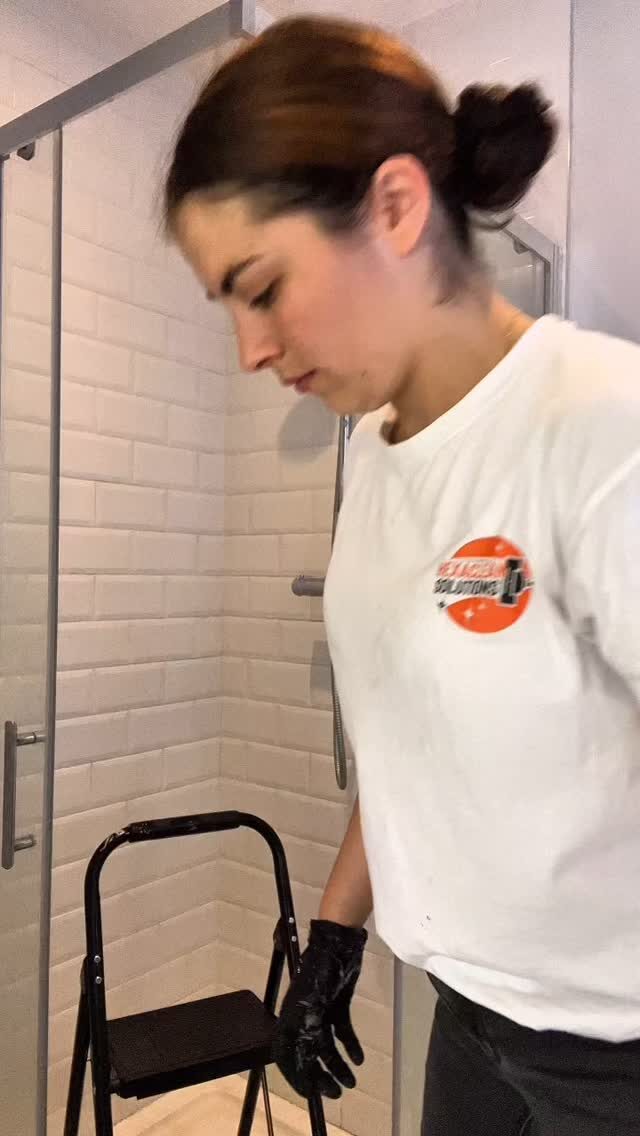
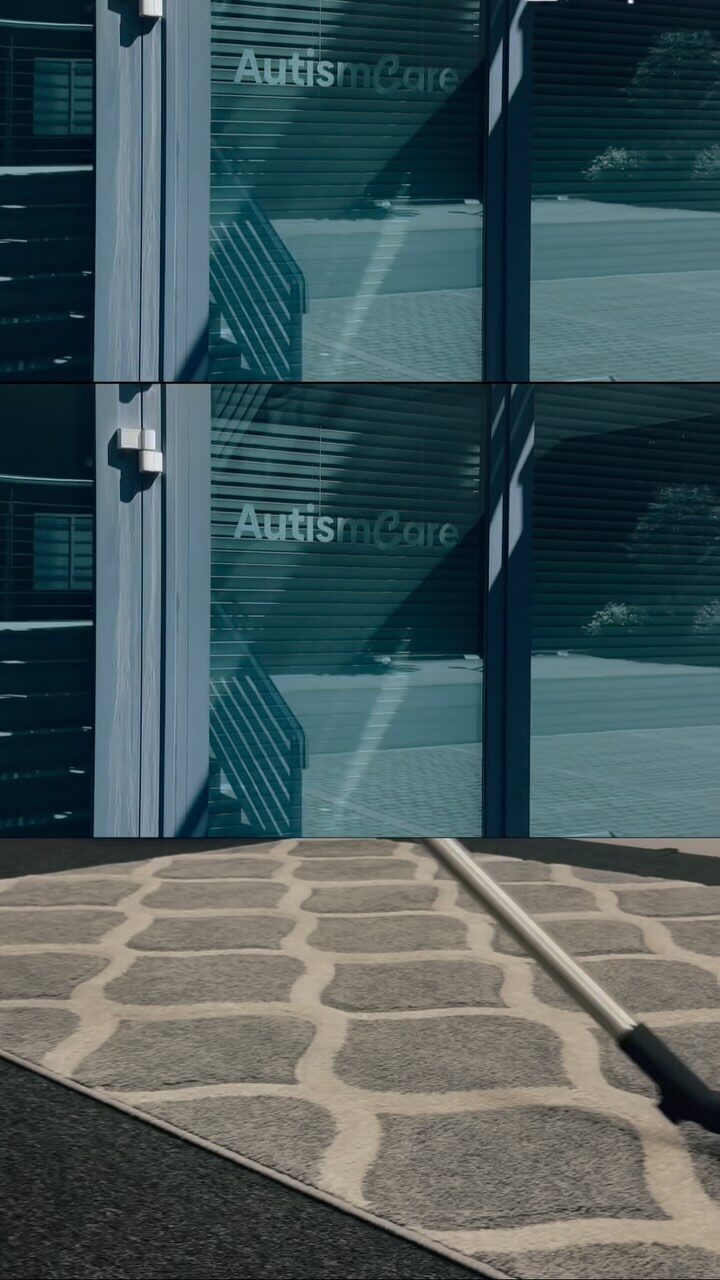
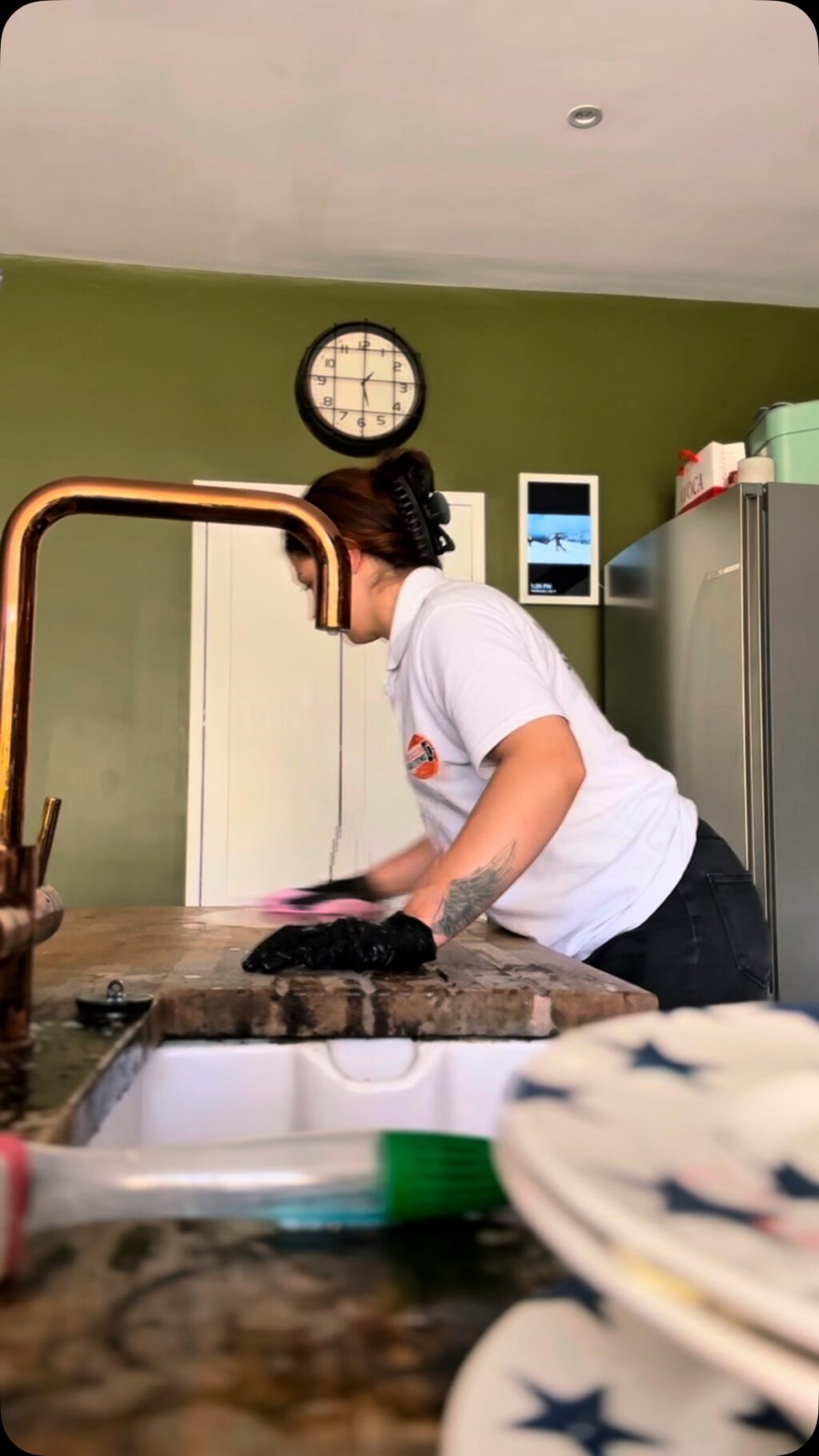
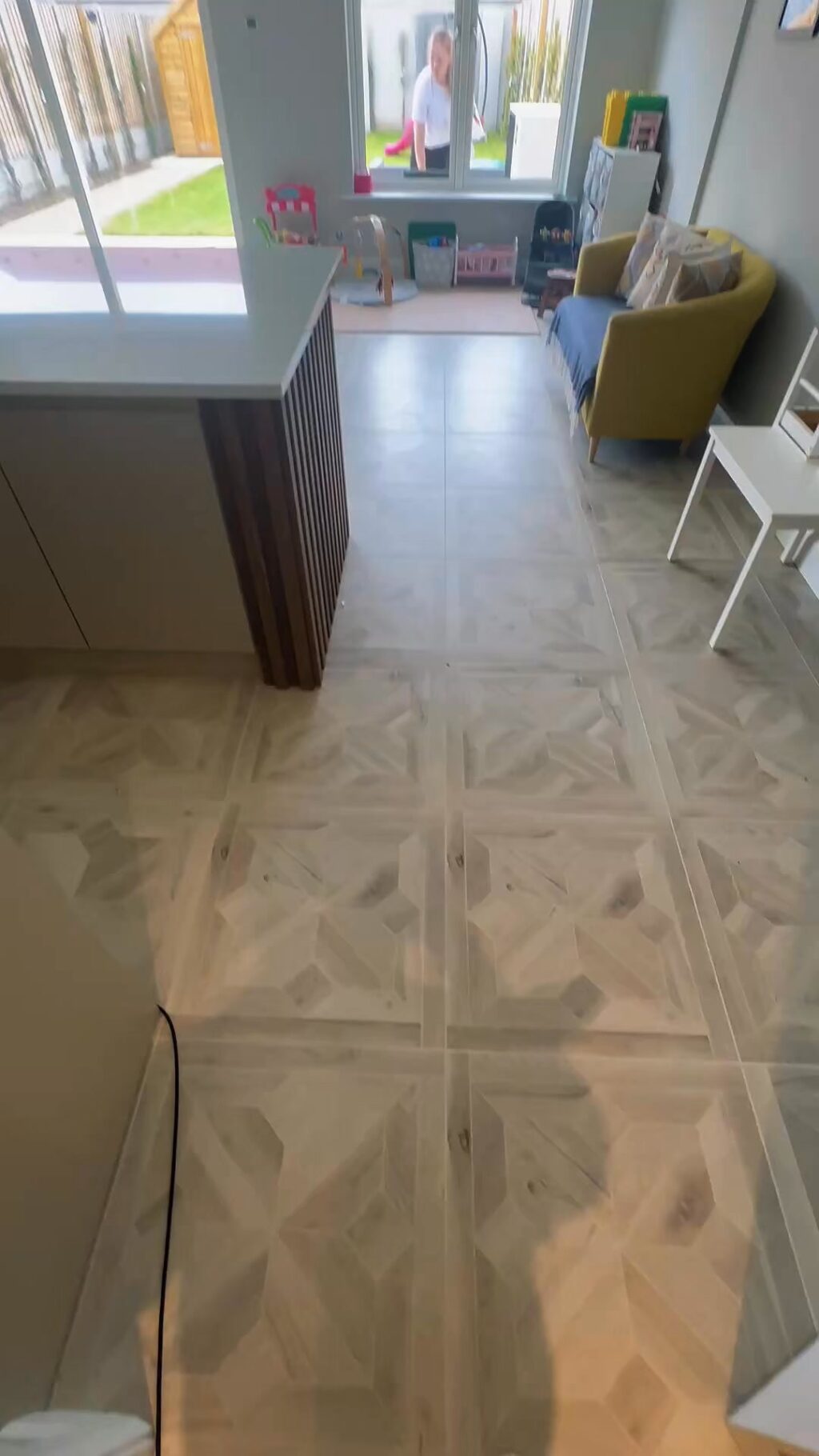
A professional post construction clean focuses on removing fine construction dust, residue, and debris that can hide defects or cause issues during snagging. This includes detailed cleaning of floors, skirting boards, door frames, internal glazing, bathrooms, kitchens, and high-touch areas, along with careful treatment of finished materials such as timber flooring, stone, tiles, stainless steel, and fitted joinery.
For projects across Dublin, expectations at handover are high. Whether it’s a commercial fit-out in the city centre or a residential development in areas such as Ballsbridge, Docklands, Sandyford, Blackrock, Ranelagh, Clontarf, or Dalkey, even minor cleanliness issues can delay inspections or require costly re-visits.
Understanding what post construction cleaning includes allows you to plan the final phase properly, coordinate trades off-site, and present a site that is genuinely inspection-ready. When carried out by experienced teams who understand construction sequencing and handover standards, post construction cleaning supports smoother inspections, faster sign-off, and a more confident handover.
This level of detail is typically delivered through a post construction cleaning service designed specifically around inspection and site handover requirements.
What’s Typically Not Included in a Standard Post Construction Clean
- Removal of heavy rubble or bulk waste Post construction cleaning focuses on detailed presentation and fine debris, not the removal of heavy rubble, pallets, surplus materials, or skip-level waste. All large debris should be cleared from the site
- Ongoing site welfare or daily builders cleaning A standard post construction clean is not a replacement for daily or weekly site welfare cleaning during the build phase. It is a one-off, final-stage service carried out once trades have completed works and the site is ready for inspection and handover.
- Repair or rectification of damaged finishes While cleaners remove dust, residue, and surface marks, they do not repair damage caused during construction. Chips to paintwork, scratched glass, damaged flooring, or cracked tiles should be addressed by the relevant trade before the final clean to avoid delays during inspection.
- Specialist restoration or surface correction works Services such as stone grinding, floor polishing, concrete sealing, paint correction, or deep restoration of heavily soiled materials fall outside standard post construction cleaning and require specialist
- Hazardous material handling or specialist waste removal Post construction cleaning does not include the removal or handling of hazardous substances such as asbestos, chemical spills, solvents, or controlled waste. These must be dealt with in line with health and safety regulations by licensed specialists before cleaning can commence.
- Cleaning of areas still under active construction Spaces that are not practically complete, still being worked on by trades, or lacking permanent power, water, or lighting are typically excluded. Post construction cleaning is carried out once areas are finished and safe to access without risk of re-soiling or damage.
- External works beyond light presentation cleaning External works such as heavy builders’ debris removal, pressure washing of heavily soiled façades, or landscaping clean-up are usually outside the scope unless specifically agreed in advance. Standard post construction cleaning focuses primarily on internal handover areas.
Ongoing site welfare or daily builders cleaning
A standard post construction clean is not a replacement for daily or weekly site welfare cleaning during the build phase. Earlier-stage cleaning is typically handled through after builders cleaning, which focuses on heavier dust and debris before the final handover stage.
When these services are needed
There are situations where services outside a standard post construction clean become necessary, particularly on larger or more complex projects. Identifying these early helps avoid delays, re-visits, or failed inspections.
- When heavy waste or surplus materials remain on site If rubble, pallets, protective coverings, or leftover materials are still present, these should be removed before post construction cleaning begins. Clearing the site allows cleaners to access all finished areas and complete the final clean efficiently.
- When finishes require repair rather than cleaning Marks caused by damaged paintwork, chipped tiles, scratched glazing, or dented joinery cannot be resolved through cleaning alone. These issues should be rectified by the relevant trades prior to the final clean to prevent them being flagged during inspection.
- When specialist surface treatment is required Natural stone, polished concrete, or high-end flooring may need specialist restoration, sealing, or polishing beyond standard cleaning. These services are typically scheduled either before or after the post construction clean, depending on the material and manufacturer guidance.
- When hazardous or controlled materials are present Any areas affected by hazardous substances, chemical spills, or regulated waste must be addressed by licensed specialists in advance. Post construction cleaning is only carried out once the site is safe and compliant.
- When areas are not yet practically complete Spaces still under active construction, without permanent lighting, power, or water, are usually excluded until works are finished. Cleaning too early often leads to re-soiling and additional costs.
- When external works form part of the handover scope Some projects require external presentation cleaning, such as entrances, balconies, or glazing. These should be discussed and planned separately to ensure correct access, equipment, and scheduling.
FAQs About Post Construction Cleaning
What does post construction cleaning include before site handover?
Post construction cleaning includes the detailed removal of fine construction dust, residue, and debris from all finished areas prior to inspection and handover. This typically covers floors, skirting boards, door frames, internal glazing, bathrooms, kitchens, and high-touch surfaces, along with careful cleaning of completed finishes so the site is inspection-ready.
What is the difference between after builders cleaning and post construction cleaning?
After builders cleaning usually takes place earlier in the project and focuses on heavier dust and debris once trades begin to finish. Post construction cleaning is carried out closer to handover and focuses on detailed presentation for inspection, snagging, and client sign-off. Many projects require both at different stages.
When should a final clean after construction be carried out?
A final clean after construction should be scheduled once works are practically complete, finishes are installed, and no further dusty trades are planned. Cleaning too early often results in re-soiling, while cleaning too late can delay inspections and handover timelines.
How much does post construction cleaning cost in practice?
The cost of post construction cleaning depends on factors such as site size, level of finish, access conditions, and the amount of detailing required. Larger or high-spec projects typically require more time and labour, which is why most professional contractors assess the site before confirming pricing.
Is site handover cleaning required for inspection and sign-off?
Site handover cleaning is not always a contractual requirement, but it is a practical necessity for inspection and client walk-throughs. A professionally cleaned site allows defects to be identified clearly, supports snagging, and helps ensure the project is presented in a condition suitable for sign-off.
If you’re approaching inspection or practical completion and need clarity around scope, sequencing, or timelines, you can get in touch with our team to discuss your project.