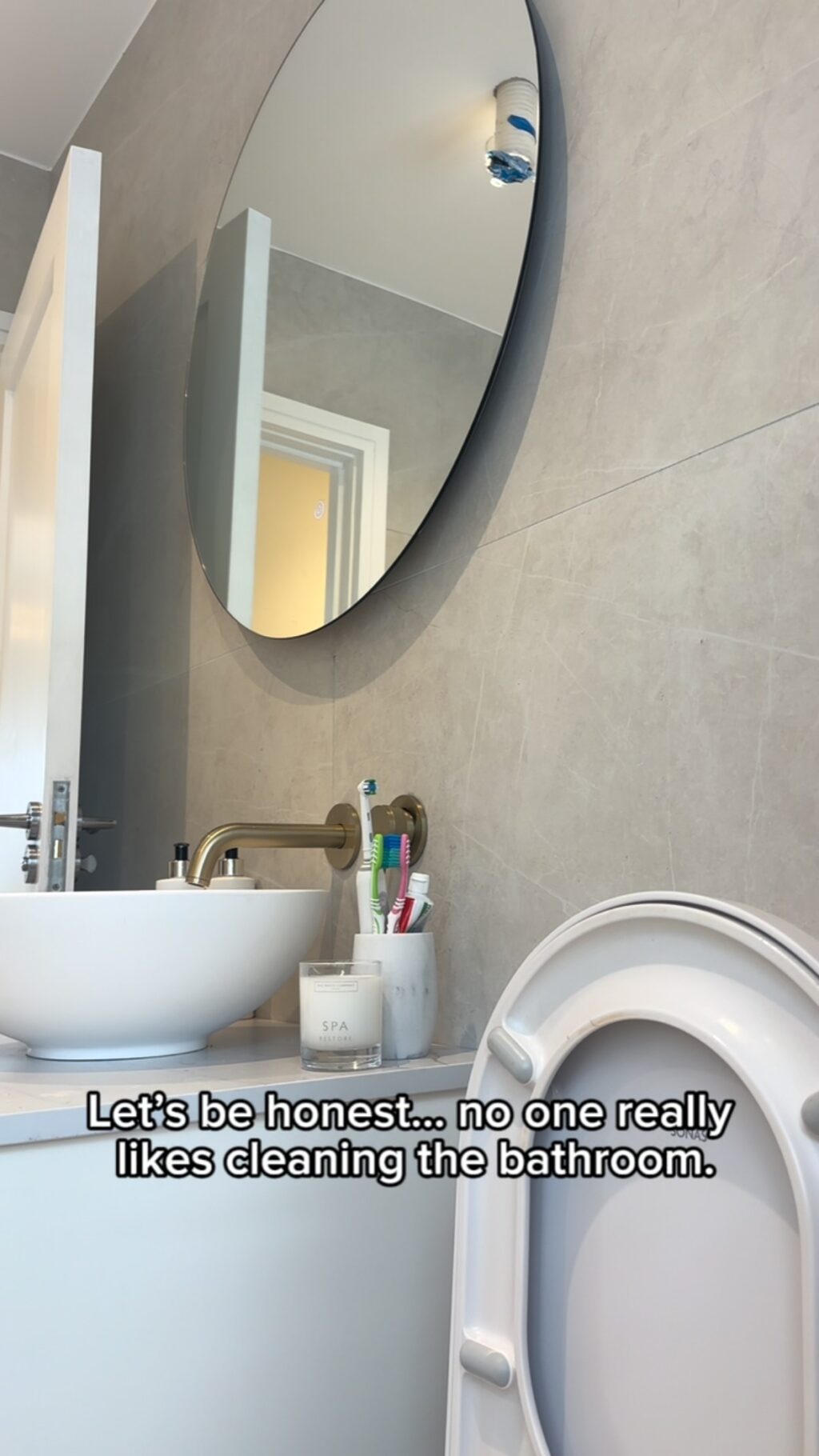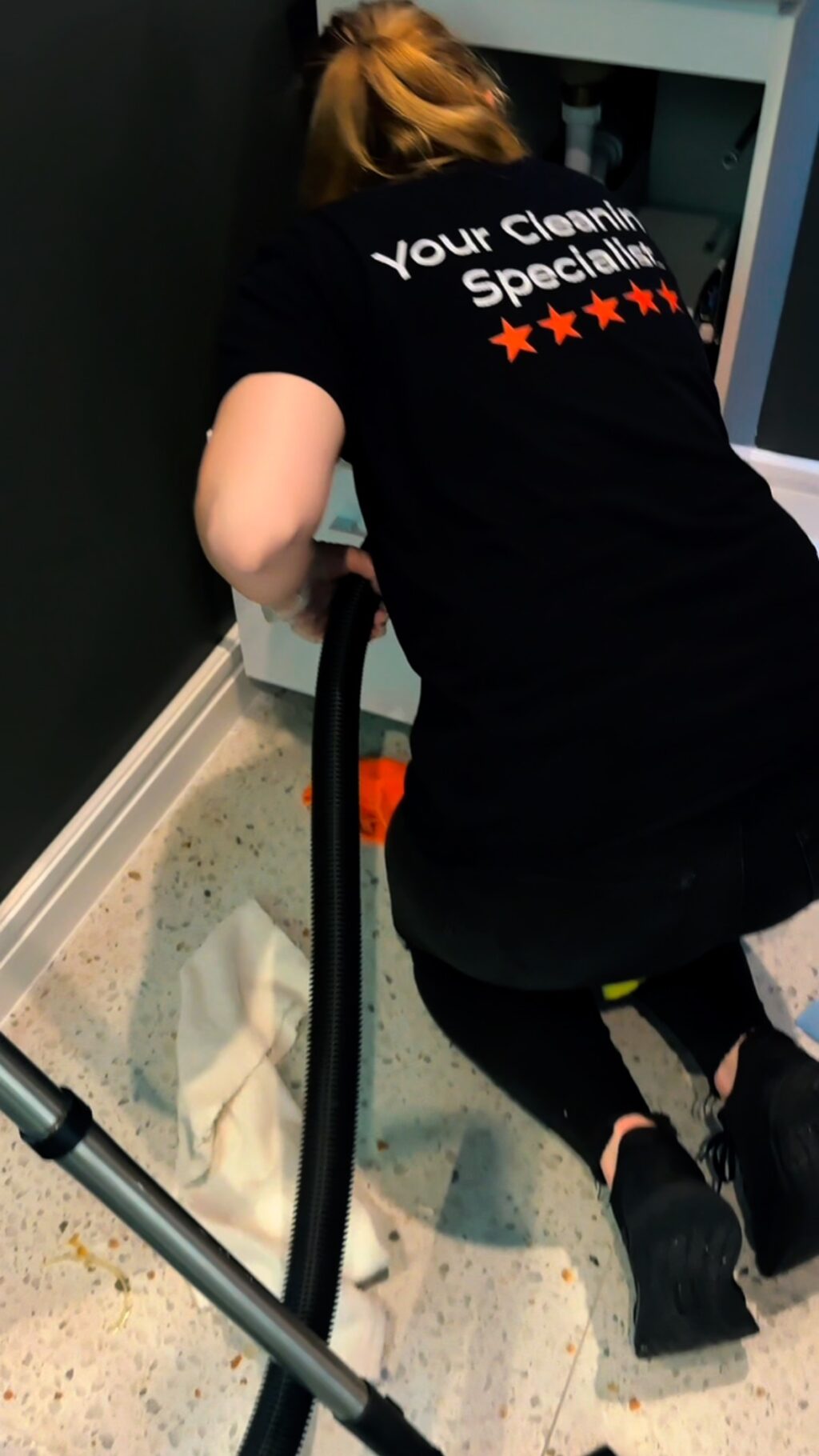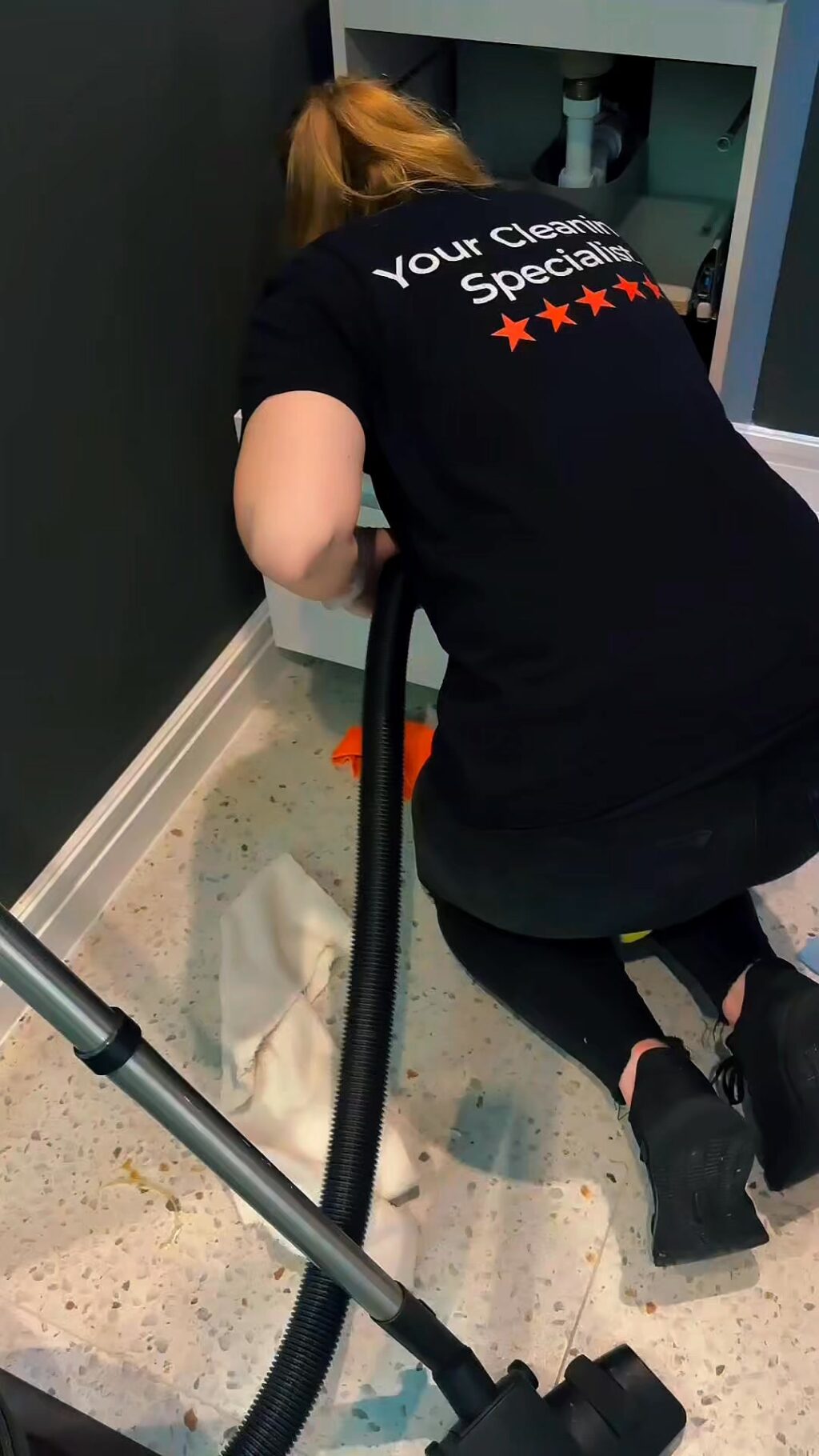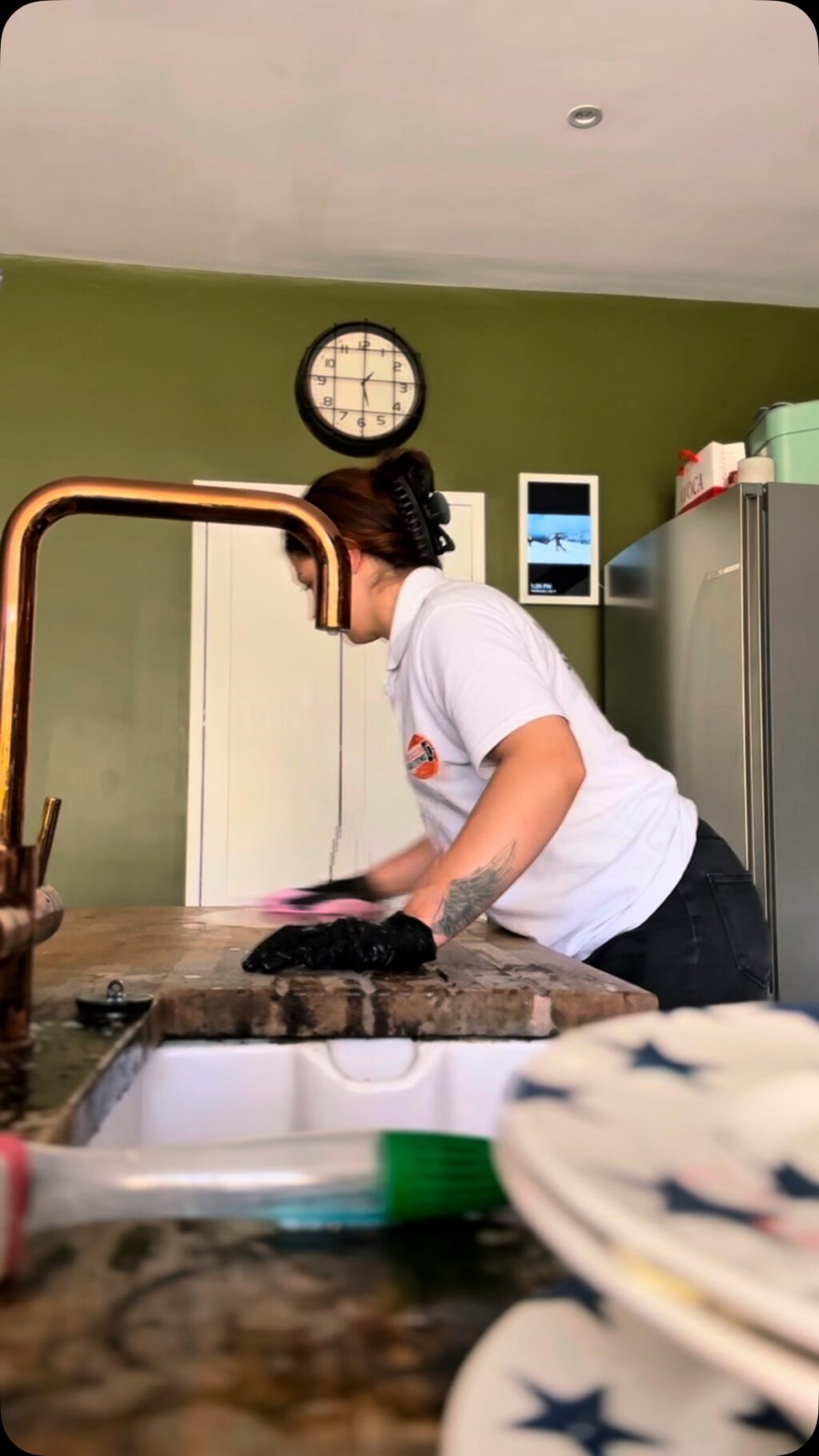
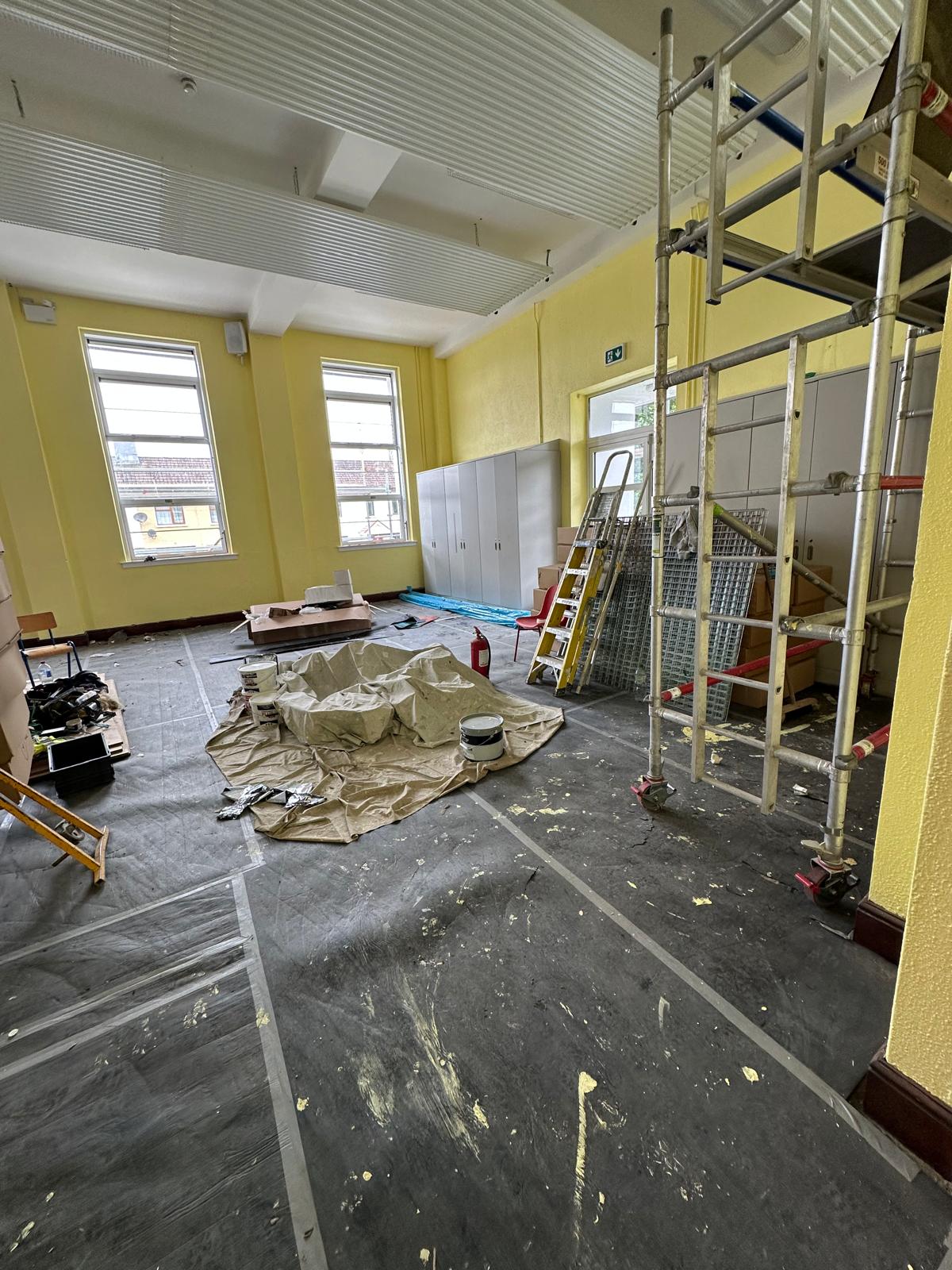
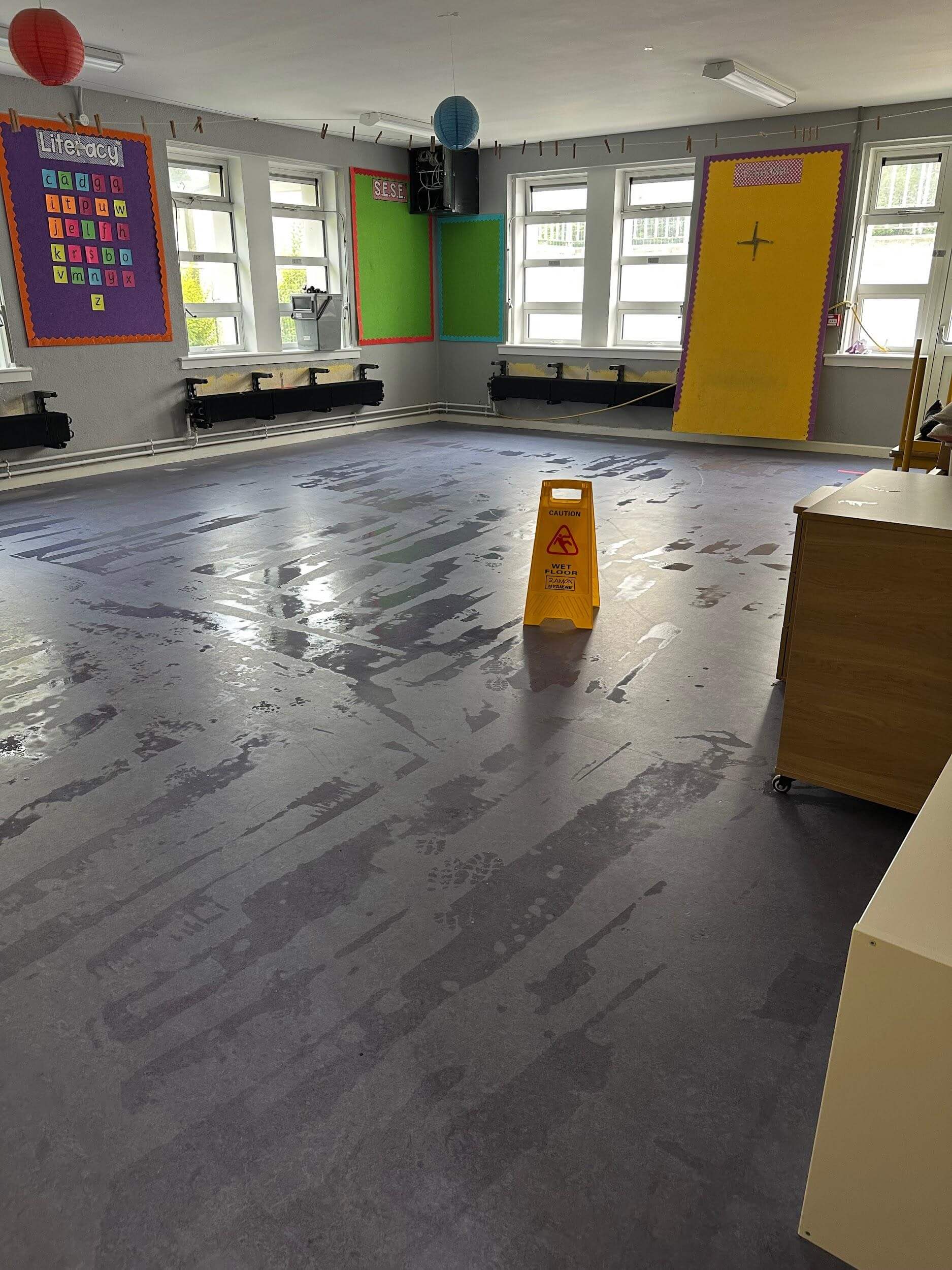
Snag list cleaning is the final, inspection-focused stage of cleaning carried out before a project reaches handover. Even when construction work appears complete, fine dust, residue, paint marks, and missed details often remain. If these issues are not addressed properly, they can be flagged during snag inspections, delay sign-off, or create the impression that work has not been finished to the required standard.
In construction and fit-out projects, cleanliness is assessed as part of quality control. Poor cleaning can hide or exaggerate defects, complicate snag lists, and slow down practical completion. This is why snag list cleaning plays a critical role in preparing a site for final handover, allowing inspections to focus on genuine workmanship issues rather than avoidable cleaning faults.
What Is Snag List Cleaning?
Lorem ipsum dolor sit amet, consectetur adipiscing elit. Ut elit tellus, luctus nec ullamcorper mattis, pulvinar dapibus leo.
Snag list cleaning is a detailed, inspection-ready cleaning process carried out once construction or fit-out works are complete but before final handover. Its purpose is not general tidying or presentation, but to remove dust, residue, marks, and debris that can interfere with snag inspections and sign-off. This ensures that any issues identified during snagging relate to workmanship, not leftover construction contamination.
Unlike a standard builders clean, snag list cleaning focuses on precision and detail. It targets areas that are closely examined during inspections, such as finishes, fixtures, edges, surfaces, windows, floors, and fittings. The aim is to present the space in a condition where defects are clearly visible and not hidden or exaggerated by poor cleanliness.
Snag list cleaning sits at the final stage of post-construction cleaning, just before practical completion and handover. When carried out correctly, it helps streamline inspections, reduce rework, and prevent unnecessary delays by ensuring cleaning does not become a reason for failed or repeated snag list checks.
Why Snag List Cleaning Is Critical Before Final Handover
Snag list cleaning is critical before final handover because cleanliness directly affects how a site is inspected, assessed, and signed off. At this stage of a project, even minor dust, residue, or marks can be interpreted as unfinished work or poor workmanship. When a space is not properly cleaned, genuine defects become harder to identify, and inspections often result in longer snag lists or repeat visits.
During final inspections, attention is given to finishes, fixtures, edges, glazing, flooring, and detailed areas. If construction dust or residue remains, it can highlight imperfections that would not otherwise be an issue, or mask areas that require genuine remedial work. This creates unnecessary delays, additional cleaning costs, and frustration for contractors and site managers trying to achieve practical completion.
Poor snag list cleaning is also a common cause of delayed handover. Sites that appear unfinished due to cleanliness issues are more likely to fail inspections, requiring re-cleaning and re-inspection before approval is granted. In contrast, a properly cleaned site allows inspectors to focus solely on construction quality, helping projects move smoothly toward final sign-off.
At handover stage, snag list cleaning is not about appearance alone — it is about risk control. Ensuring the site is inspection-ready reduces the likelihood of failed inspections, avoids last-minute issues, and supports a more efficient and professional handover process.
Inspection-ready presentation aligns with recognised construction quality standards outlined by the Royal Institute of the Architects of Ireland.
What Does Snag List Cleaning Include?
Snag list cleaning focuses on the detailed areas most closely inspected during snagging and final handover. The aim is to remove construction-related residue and present the space in an inspection-ready condition, without masking genuine defects.
Typical snag list cleaning includes:
- Fine dust removal from all surfaces, including ledges, skirting boards, fixtures, and fittings
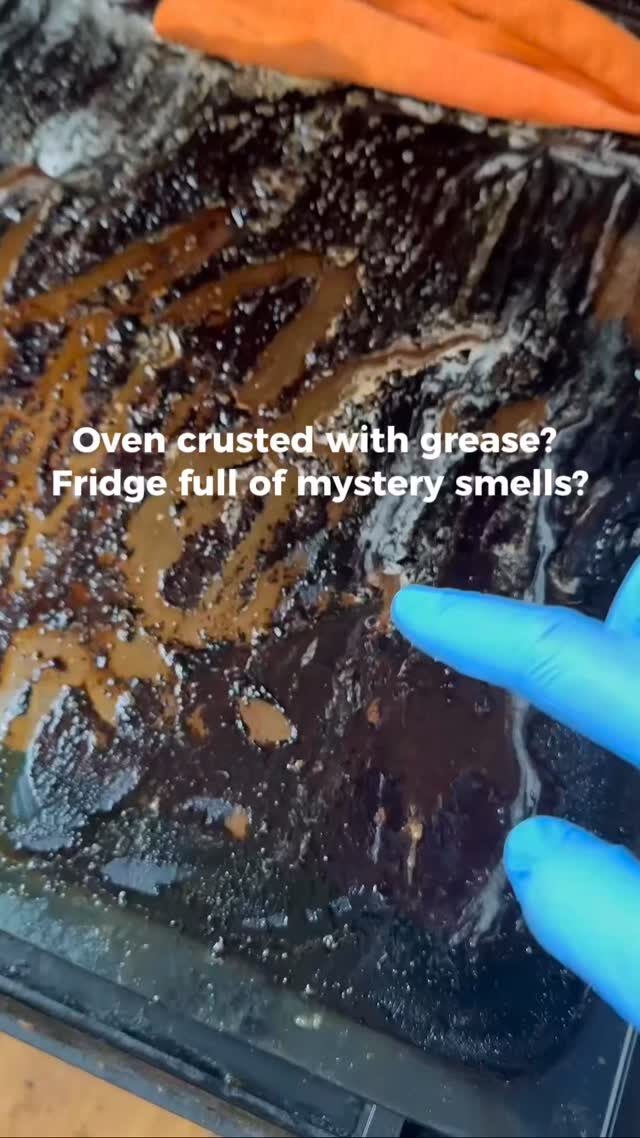
- Paint splashes and adhesive residue on floors, walls, frames, and joinery
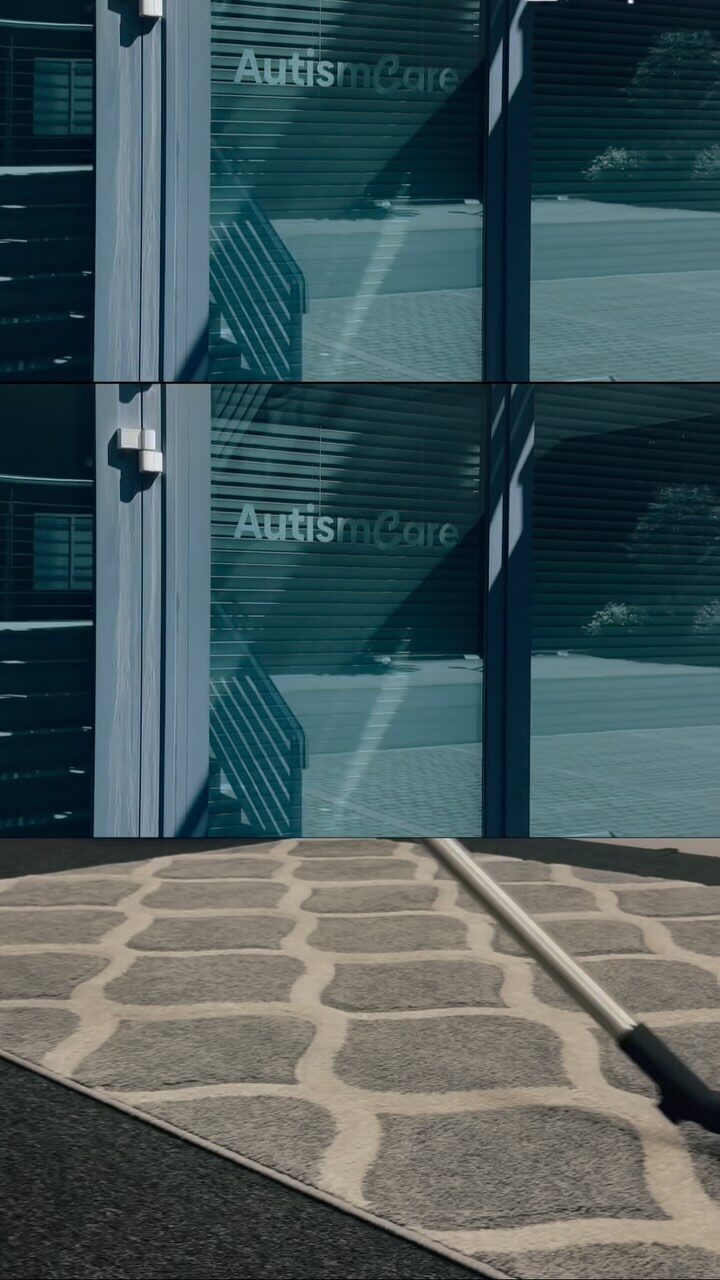
- Windows, frames, and tracks, ensuring glass is clear and edges are free from debris
- Floors and edges, removing dust, grout haze, and construction marks
- Doors, handles, switches, and sockets, cleaned carefully to avoid damage
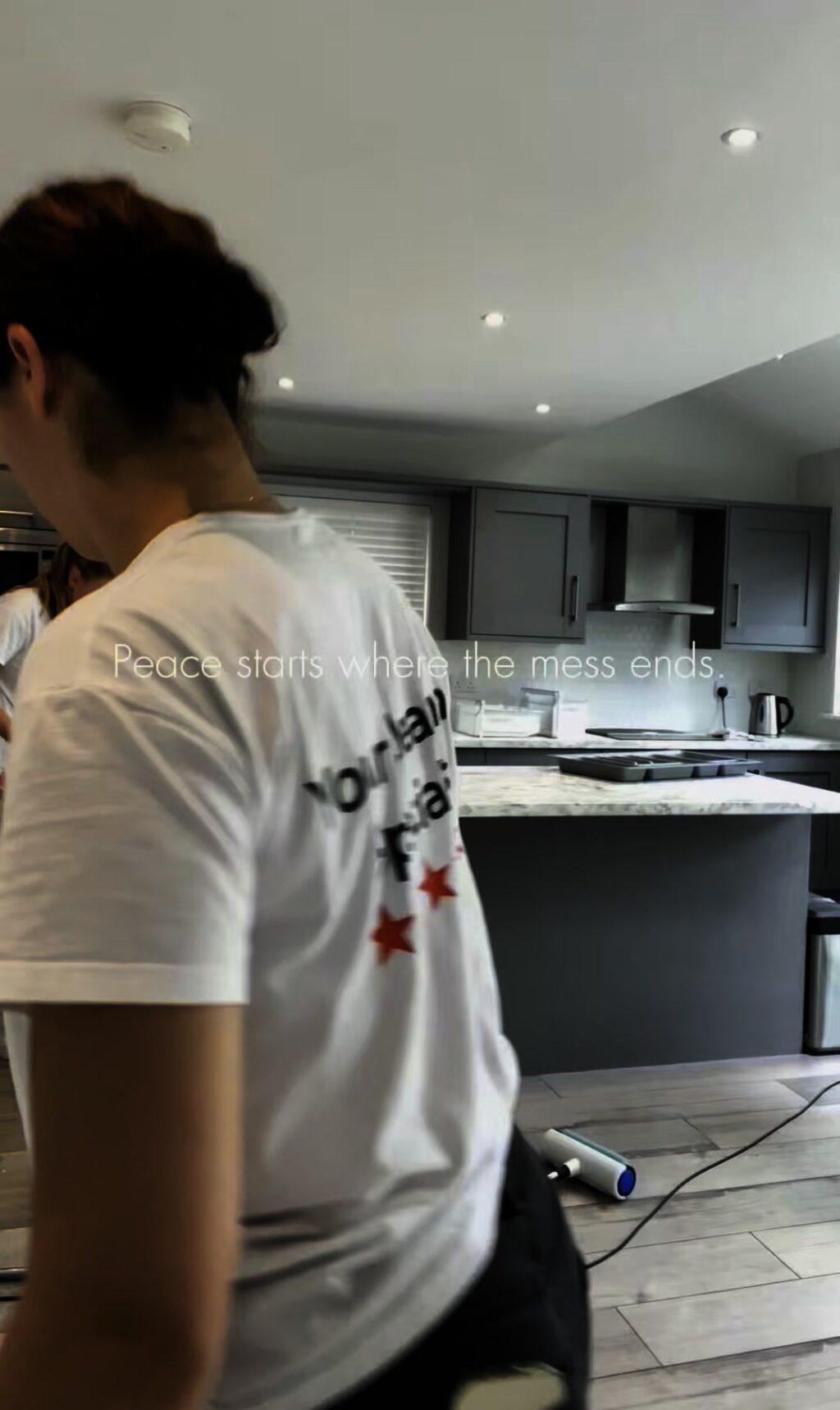
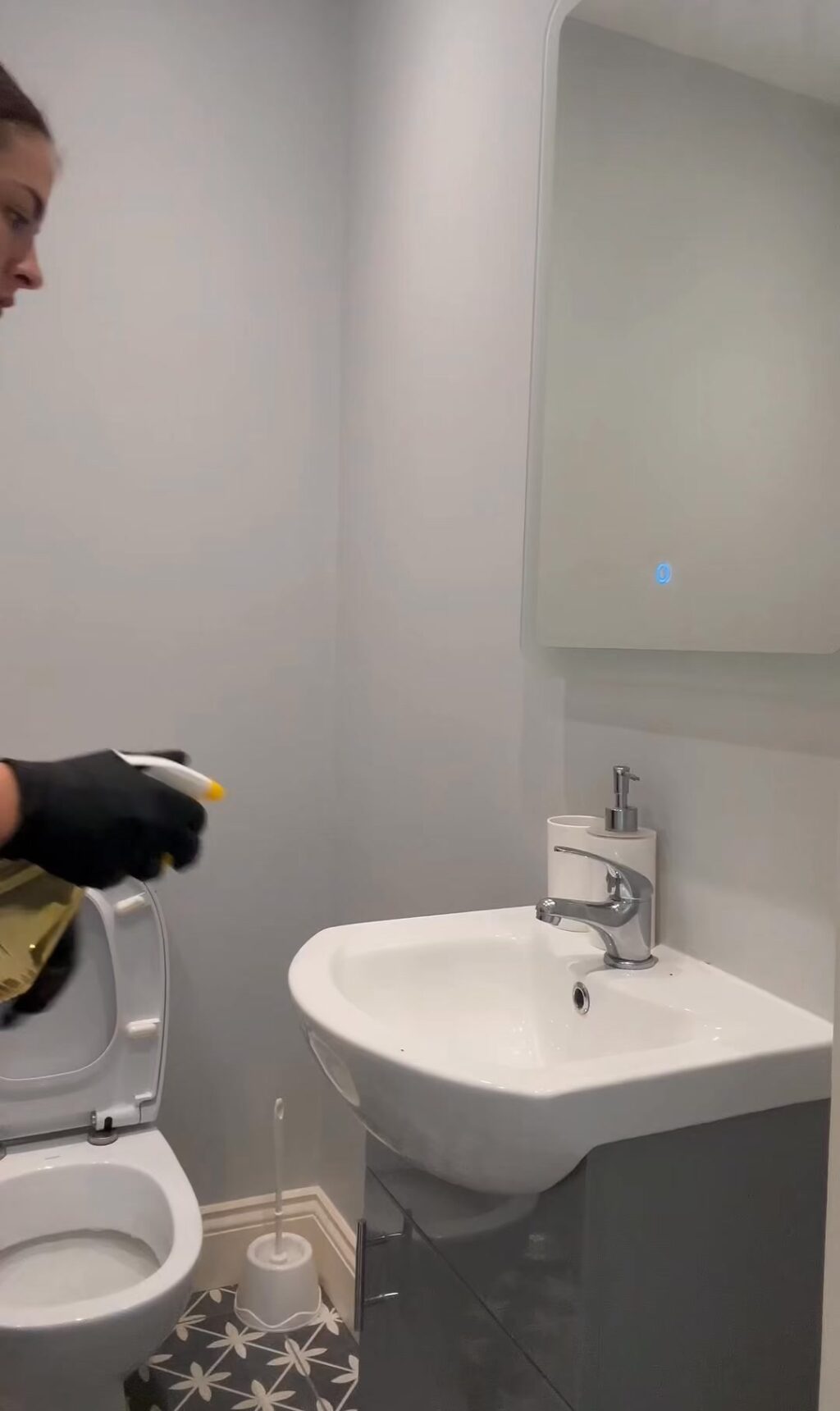
- Bathrooms and kitchens, where residue often highlights during inspection
Snag list cleaning is not rushed or superficial. Each area is cleaned with the expectation that it will be examined closely, helping ensure that any snags identified relate to workmanship rather than leftover construction contamination.
Snag List Cleaning vs Builders Clean What’s the Difference?
Snag list cleaning and a builders clean are often confused, but they serve different purposes and take place at different stages of a project. A builders clean is usually carried out once major construction work is complete to remove heavy debris, dust, and obvious mess. Its goal is to make the site usable and safe for follow-on trades or basic access.
Snag list cleaning, on the other hand, is inspection-driven. It happens later, once the site is largely finished and approaching handover. At this stage, the focus shifts from general cleanliness to detail and presentation. Even minor marks, residue, or dust can be flagged during snag inspections, which is why snag list cleaning requires greater precision.
The key difference lies in intent. A builders clean prepares a site for continued work, while snag list cleaning prepares it for scrutiny. Snag cleaning ensures that finishes, fixtures, glazing, and surfaces are presented clearly so inspectors can assess workmanship without distraction. One cannot replace the other, and relying on a builders clean alone often leads to failed inspections or repeat cleaning before handover.
Understanding this distinction helps contractors and site managers avoid delays and ensures the correct type of cleaning is applied at the right stage of the project.
Who Needs Professional Snag List Cleaning?
Snag list cleaning is typically required by parties responsible for achieving inspection approval and final sign-off. It is most relevant where projects are being assessed against contractual, design, or quality standards.
Professional snag list cleaning is commonly needed by:
- Main contractors preparing sites for practical completion and handover
- Developers ensuring new builds are inspection-ready for buyers or tenants
- Project and site managers coordinating final inspections and snag closures
- Fit-out contractors delivering commercial or retail spaces to client specifications
- Property managers overseeing newly completed or refurbished properties
In each case, the goal is the same: to present the property in a condition where inspections focus on genuine workmanship issues, not avoidable cleaning faults that can delay approval.
Similar inspection and presentation standards also apply to shared buildings, where final cleaning impacts sign-off across multiple units and common areas.
Common Problems Caused by Poor Snag Cleaning
Poor snag list cleaning often creates problems that go beyond appearance and can directly affect inspection outcomes. When dust, residue, or marks are left behind, inspectors may struggle to assess finishes accurately, leading to longer snag lists or repeated inspections. What should be a straightforward sign-off process can quickly turn into delays and additional site visits.
One common issue is defects being misidentified or exaggerated due to poor cleanliness. Dust on floors, glazing, or fittings can make minor imperfections appear more serious than they are, while residue may hide genuine issues that are only discovered later. This results in unnecessary rework, added costs, and extended timelines.

Failed or delayed handovers are another frequent consequence. Sites that are not inspection-ready often require last-minute re-cleaning, followed by re-inspection, pushing back practical completion dates. This can disrupt project schedules, affect client confidence, and create avoidable pressure at the final stage of a build.
Over time, consistently poor snag cleaning can also damage professional reputation. Repeated delays or failed inspections linked to cleanliness reflect poorly on contractors and site managers, even when construction work itself meets the required standard.
How Snag List Cleaning Supports Construction Site Cleaning
Snag list cleaning is not a standalone service — it is the final, most detailed stage of the wider construction site cleaning process. While earlier cleaning stages focus on removing heavy debris and making the site workable, snag list cleaning refines the space so it is fully ready for inspection, approval, and handover.
Construction site cleaning typically progresses in phases, from rough cleans during works to builders cleans as trades finish. Snag list cleaning sits at the end of this process, ensuring that all remaining dust, residue, and marks are removed from areas that will be closely examined. Without this final stage, even well-managed sites can appear unfinished during inspections.
This is why experienced post-construction cleaning teams treat snag list cleaning as an extension of professional construction site cleaning, not a replacement for it. When both are planned together, inspections run more smoothly, snag lists are shorter, and projects reach practical completion with fewer delays.
By integrating snag list cleaning into the overall construction site cleaning strategy, contractors and site managers reduce risk at the most critical point of the project — final handover.
FAQs About Snag List Cleaning
What is snag list cleaning?
Snag list cleaning is a detailed, inspection-focused clean carried out after construction work is complete but before final handover. Its purpose is to remove dust, residue, and marks that could affect snag inspections or delay sign-off.
When should snag list cleaning be done?
Snag list cleaning should be completed once all major works are finished and before the final inspection or practical completion stage. It is typically the last cleaning phase before handover.
Is snag list cleaning required before handover?
While not always contractually stated, snag list cleaning is critical for a smooth handover. Poor cleanliness can result in longer snag lists, failed inspections, or requests for re-cleaning before approval.
Can poor cleaning delay project sign-off?
Yes. Dust, residue, or unfinished presentation can cause inspections to fail or be postponed, leading to re-inspections and delays at the final stage of a project.
Is snag list cleaning different from deep cleaning?
Yes. Snag list cleaning focuses on construction residue and inspection readiness, while deep cleaning is hygiene-focused and typically applied to occupied or lived-in spaces.
Conclusion
Snag list cleaning plays a crucial role in ensuring a smooth and successful final handover. While construction work may be complete, leftover dust, residue, and minor marks can interfere with inspections, extend snag lists, and delay sign-off. Addressing these issues at the right stage helps ensure inspections focus on genuine workmanship rather than avoidable cleaning faults.
By understanding where snag list cleaning fits within the wider construction site cleaning process, contractors and site managers can reduce risk at the most critical point of a project. A properly cleaned, inspection-ready site supports faster approvals, fewer delays, and a more professional handover outcome.