Cleaning a construction site while works are still ongoing is a common concern for project managers and site supervisors, especially on larger commercial projects where multiple trades are working in parallel. The short answer is yes — site cleaning can be carried out during ongoing works, but only when it’s planned correctly and aligned with site safety requirements.
Live construction environments present different challenges compared to a final handover clean. Access restrictions, active trades, dust-generating works and health and safety obligations all influence what type of cleaning is appropriate at each stage of the build. This is why cleaning on active sites is usually phased rather than carried out in one single visit.
On commercial construction projects, early-stage and mid-build site cleaning is often used to maintain safe walkways, support inspections, and keep work areas functional while the project progresses. Understanding when and how cleaning can happen during ongoing works helps prevent delays later and ensures the site remains controlled throughout the build.
When Cleaning During Construction Makes Sense
Cleaning during ongoing construction works is most effective when it is planned around the project timeline rather than treated as a one-off task. On commercial sites, cleaning is often introduced in phases to support safety, access, and inspections as the build progresses.
Construction site cleaning during works typically makes sense in situations such as:
- Phased handovers, where completed areas need to be kept clean while work continues elsewhere
- Fit-out stages, when finishes are being installed and dust control becomes more critical
- Shared access routes, including stairwells, lifts, and walkways used by multiple trades
- Pre-inspection periods, where visibility and access are required for snagging or progress checks
Cleaning active construction sites at these stages helps maintain order and reduces the risk of dust and debris spreading into completed areas. When approached as part of a phased construction site cleaning plan, it supports site management without interfering with ongoing works.
This approach is particularly important on multi-unit projects, where maintaining clean shared areas during construction works helps prevent disruption as different phases are completed.
Safety Requirements on Active Construction Sites
Cleaning on live construction sites requires the same level of safety planning as any other activity carried out on site. Because cleaners are often working alongside contractors and trades, site safety during cleaning must be clearly managed and coordinated by the project team.
Before any cleaning takes place during ongoing works, cleaners will typically be required to complete site inductions and follow the same safety procedures as other personnel. This may include wearing appropriate PPE, working within designated access areas, and coordinating tasks around active works such as cutting, drilling, or material deliveries.
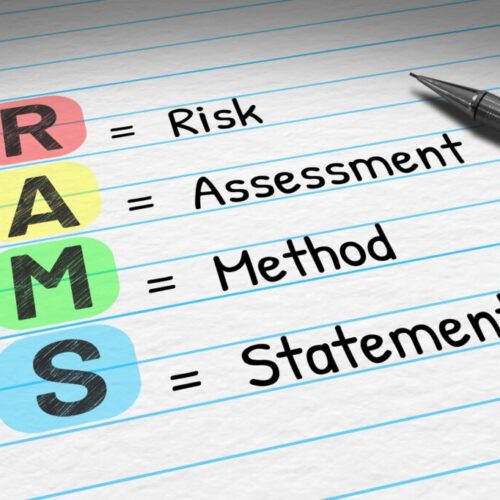
When cleaners are working alongside contractors, clear communication is essential to avoid clashes with high-risk activities. On well-managed sites, cleaning tasks are scheduled during quieter periods or in segregated zones to ensure safety is maintained without disrupting progress.
These controls must align with site safety requirements set out by the Health and Safety Authority to ensure cleaning activities do not introduce additional risk
Safety Requirements on Active Construction Sites
Cleaning on live construction sites requires the same level of safety planning as any other activity carried out on site. Because cleaners are often working alongside contractors and trades, site safety during cleaning must be clearly managed and coordinated by the project team.
Before any cleaning takes place during ongoing works, cleaners will typically be required to complete site inductions and follow the same safety procedures as other personnel. This may include wearing appropriate PPE, working within designated access areas, and coordinating tasks around active works such as cutting, drilling, or material deliveries.
When cleaners are working alongside contractors, clear communication is essential to avoid clashes with high-risk activities. On well-managed sites, cleaning tasks are scheduled during quieter periods or in segregated zones to ensure safety is maintained without disrupting progress.
What Type of Cleaning Can (and Can’t) Be Done During Works
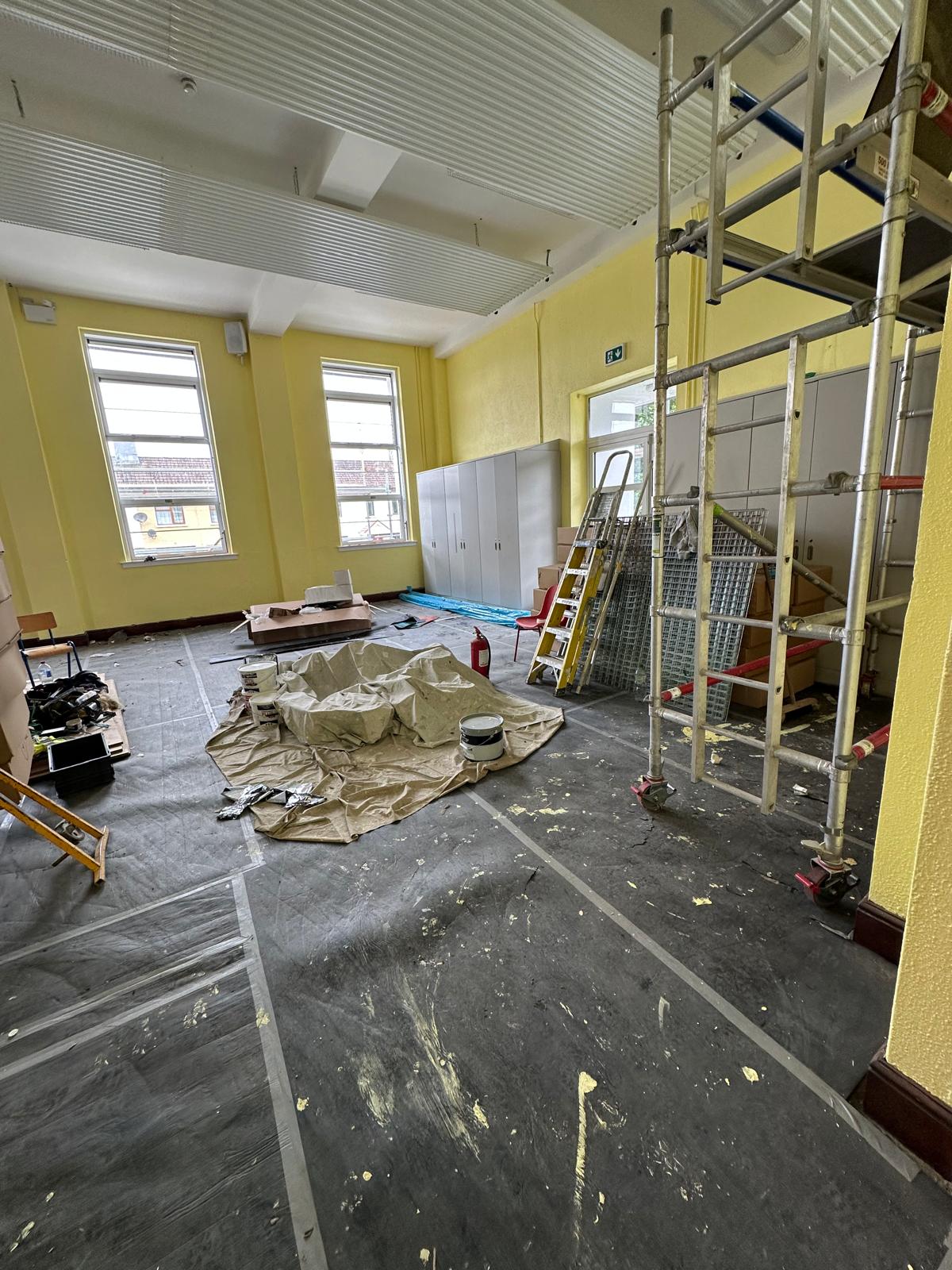
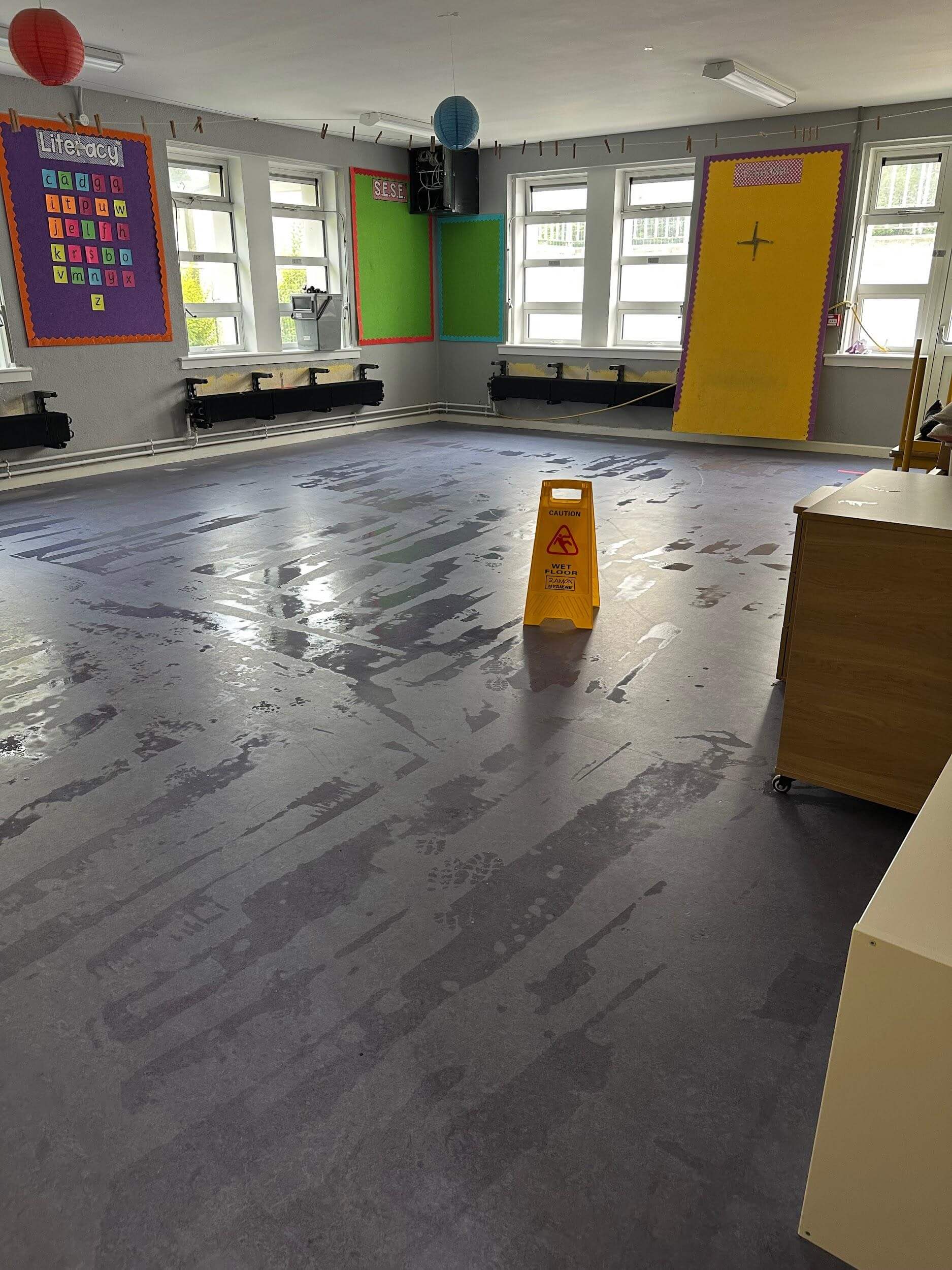
When a site is still active, not all cleaning tasks are suitable to be carried out at the same time. Site cleaning while construction is ongoing is usually focused on maintaining safe, functional working areas rather than achieving a final presentation standard.
Cleaning that can usually be carried out during ongoing works includes:
- Removal of loose dust and debris from walkways and access routes
- Cleaning of welfare areas, site offices, and temporary facilities
- Localised cleaning of completed zones during phased handovers
- Dust control in fit-out areas where finishes are being installed
Cleaning tasks that are typically deferred until works are complete include:
- Final detailed cleaning of floors, fixtures, and fittings
- Full internal window and frame cleaning
- High-level cleaning once access equipment is removed
- Final builders clean prior to practical completion
This type of phased approach is similar to cleaning occupied areas during fit-out stages, where work continues while certain spaces remain in use.
Who Is Responsible for Cleanliness During Ongoing Works?
Responsibility for site cleanliness during ongoing works typically sits with the main contractor, although the exact obligations are usually defined within the construction contract. On commercial projects, maintaining clean and safe working conditions is considered part of overall site management rather than a standalone task.
In practice, subcontractors are often expected to keep their own work areas reasonably tidy, while the main contractor coordinates broader site cleaning to ensure shared access routes, welfare facilities, and completed areas remain usable. Managing site cleanliness during construction becomes increasingly important as multiple trades overlap and sections of the project are handed over in phases.
Clear responsibility for site cleaning during works helps prevent disputes and delays later in the project. When expectations are agreed early and supported by professional construction site cleaning services, sites remain safer, more organised, and better prepared for inspections and handovers.
Cost Implications of Cleaning Live Construction Sites
Cleaning a construction site while works are ongoing is usually costed differently from a final handover clean. Because the site is active, cleaning often needs to be carried out in shorter, phased visits and coordinated around other trades, which can affect time and labour requirements.
Factors that typically influence the cost of maintaining clean construction sites during ongoing works include the size of the site, the number of active trades, access restrictions, and how frequently cleaning is required. Live-site cleaning may also involve additional safety measures, inductions, and supervision compared to a single end-of-project clean.
For project managers, the key consideration is value rather than price alone. Regular cleaning during construction can reduce rework, support inspections, and prevent dust and debris from spreading into completed areas — often saving time and cost later in the programme.
How Live-Site Cleaning Supports Project Timelines
Keeping a construction site clean while works are ongoing is not just about appearance — it plays a practical role in keeping the project moving. On commercial builds, live-site cleaning helps ensure that access routes, work areas, and completed zones remain usable as the programme progresses.
Regular cleaning during construction supports smoother inspections, snagging, and phased handovers by improving visibility and access. When dust, debris, and waste are controlled throughout the build, issues are identified earlier and trades can work more efficiently without unnecessary interruptions.
From a programme perspective, maintaining site cleanliness during ongoing works reduces the risk of last-minute delays before practical completion. By spreading cleaning across the build rather than leaving everything to the end, project managers can avoid time pressure, rework, and rushed final cleans.
Can cleaners work on site while other trades are present?
Yes, cleaners can work on active construction sites as long as tasks are coordinated with site management and carried out in designated areas away from high-risk activities.
Is site cleaning safe during ongoing works?
It can be safe when cleaning is planned correctly, supported by RAMS, appropriate PPE, and clear communication with contractors working on site.
How often should cleaning take place during construction?
This depends on the size of the project and the stage of works. Some sites require weekly cleaning, while others benefit from phased or ad-hoc cleaning aligned with key milestones.
Do cleaners need site induction before working on a live site?
Yes. On commercial construction sites, cleaners are usually required to complete site inductions and follow the same safety procedures as other personnel.
Is live-site cleaning different from a final builders clean?
Yes. Live-site cleaning focuses on maintaining safety and functionality during construction, while a final builders clean is a detailed clean carried out once works are complete and ready for handover.
Conclusion
Cleaning a construction site while works are ongoing is not only possible, but often essential on commercial projects where timelines, inspections, and phased handovers overlap. When planned correctly, live-site cleaning supports safety, keeps work areas functional, and reduces pressure at the final stages of the build.
For project managers and site teams, the key is understanding what level of cleaning is appropriate at each phase and ensuring it’s carried out in line with site safety and compliance requirements. Early and ongoing cleaning helps prevent dust build-up, protects completed areas, and allows issues to be identified before they impact programme deadlines.
On larger or more complex projects, working with a provider experienced in professional construction site cleaning ensures cleaning activities integrate smoothly with ongoing works rather than disrupting them. Approached as part of the wider site management strategy, live-site cleaning becomes a practical tool that supports progress right through to handover.