01
Day One
Cleaning around a live site.
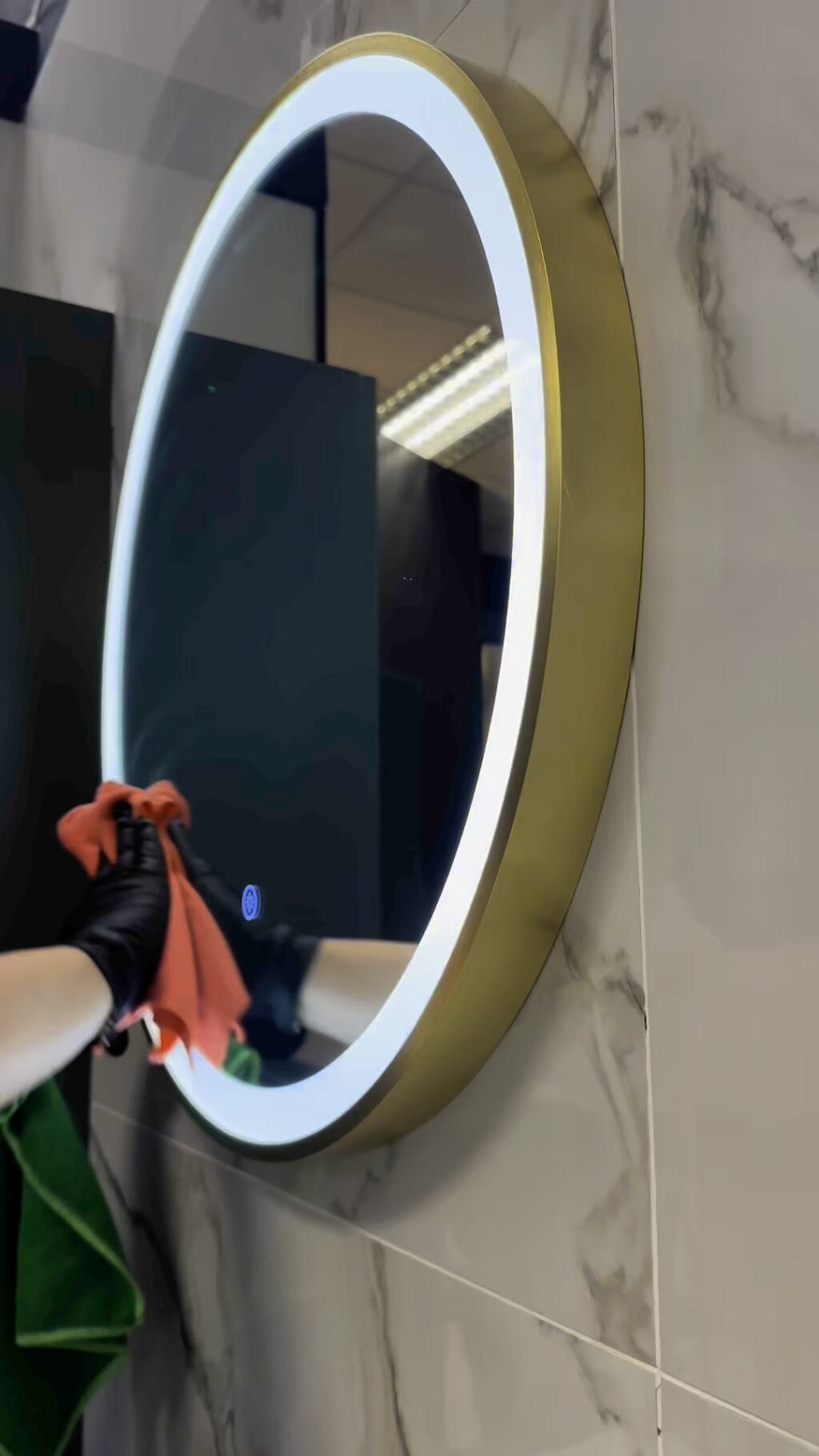
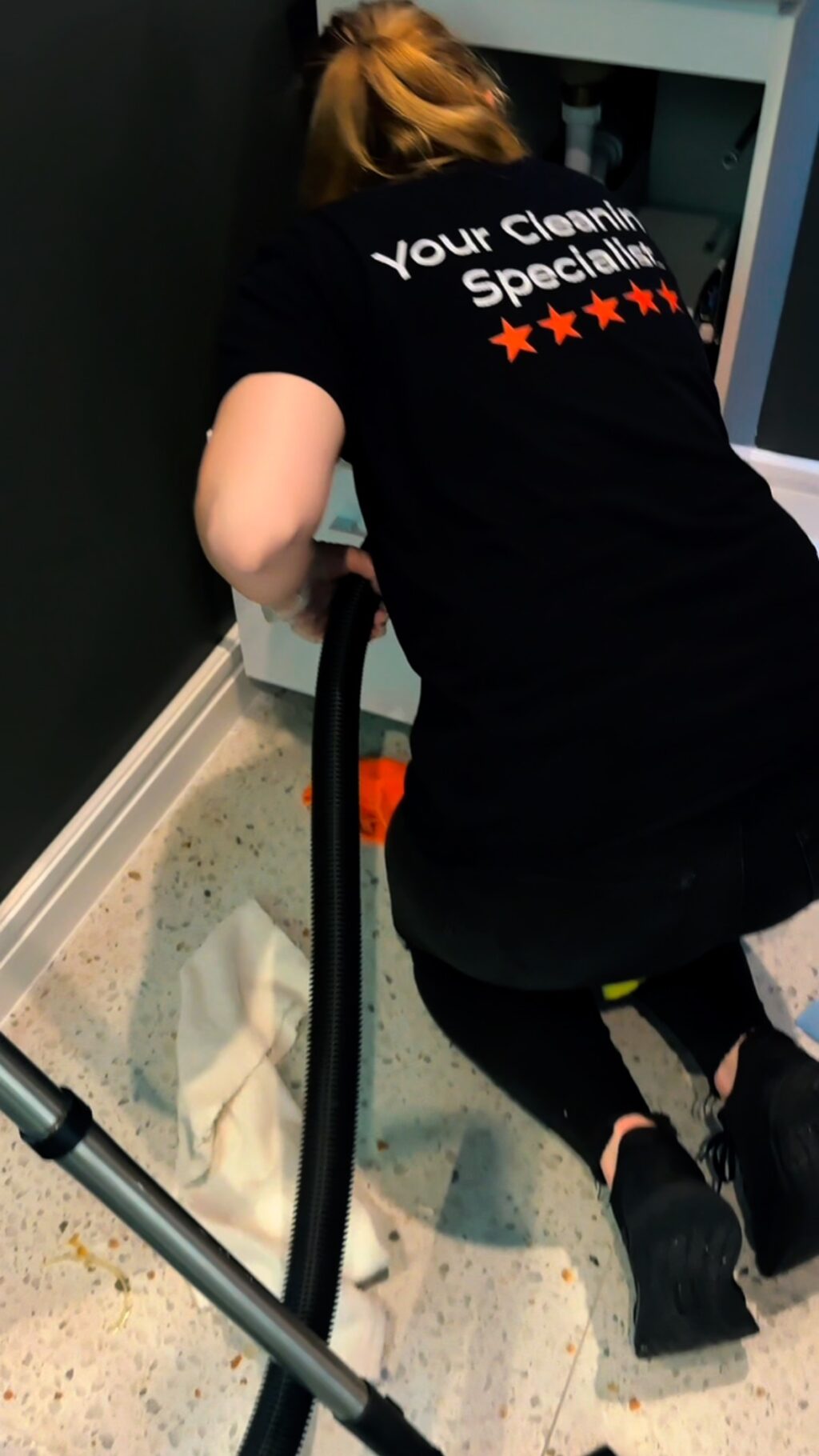
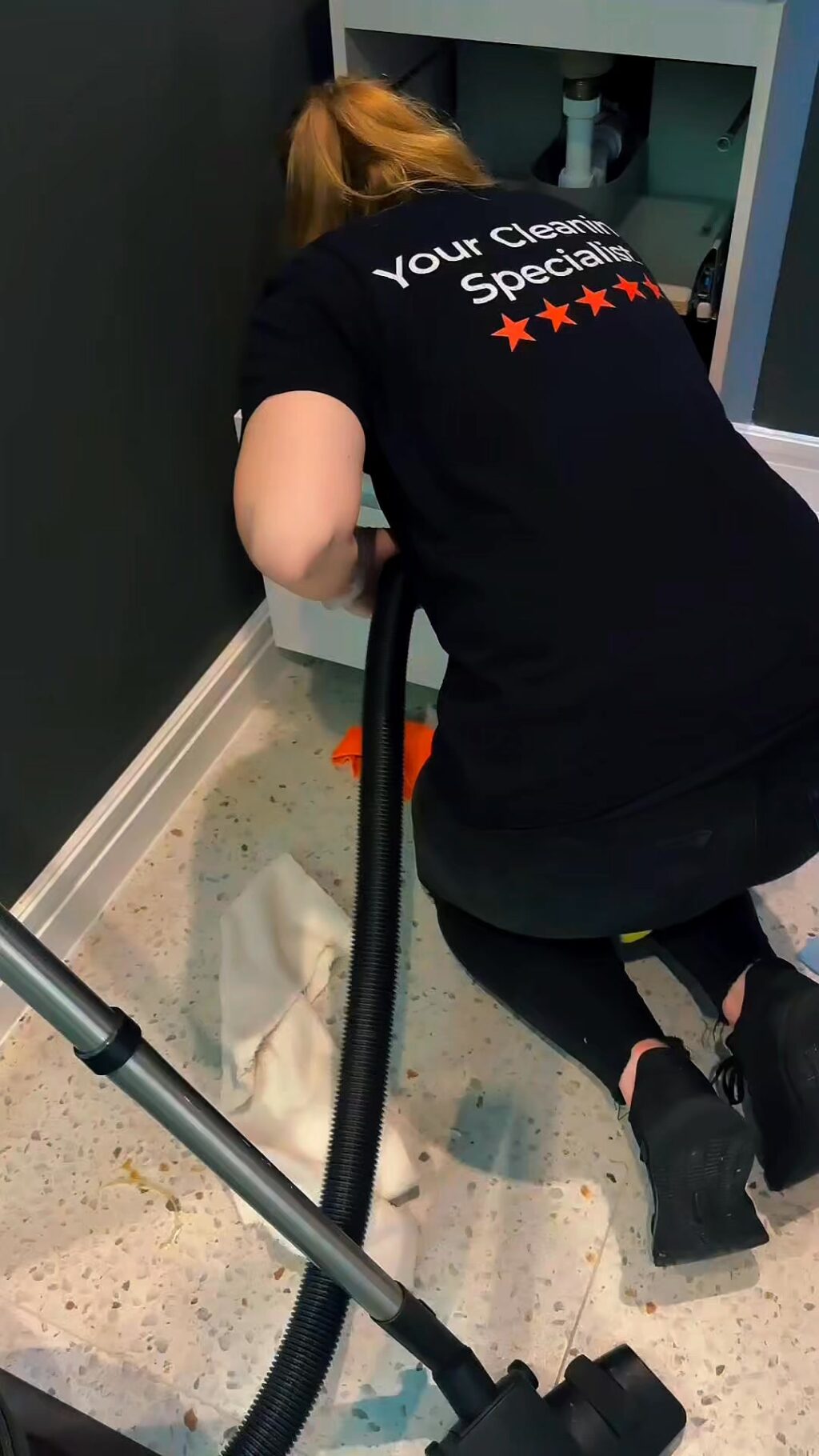
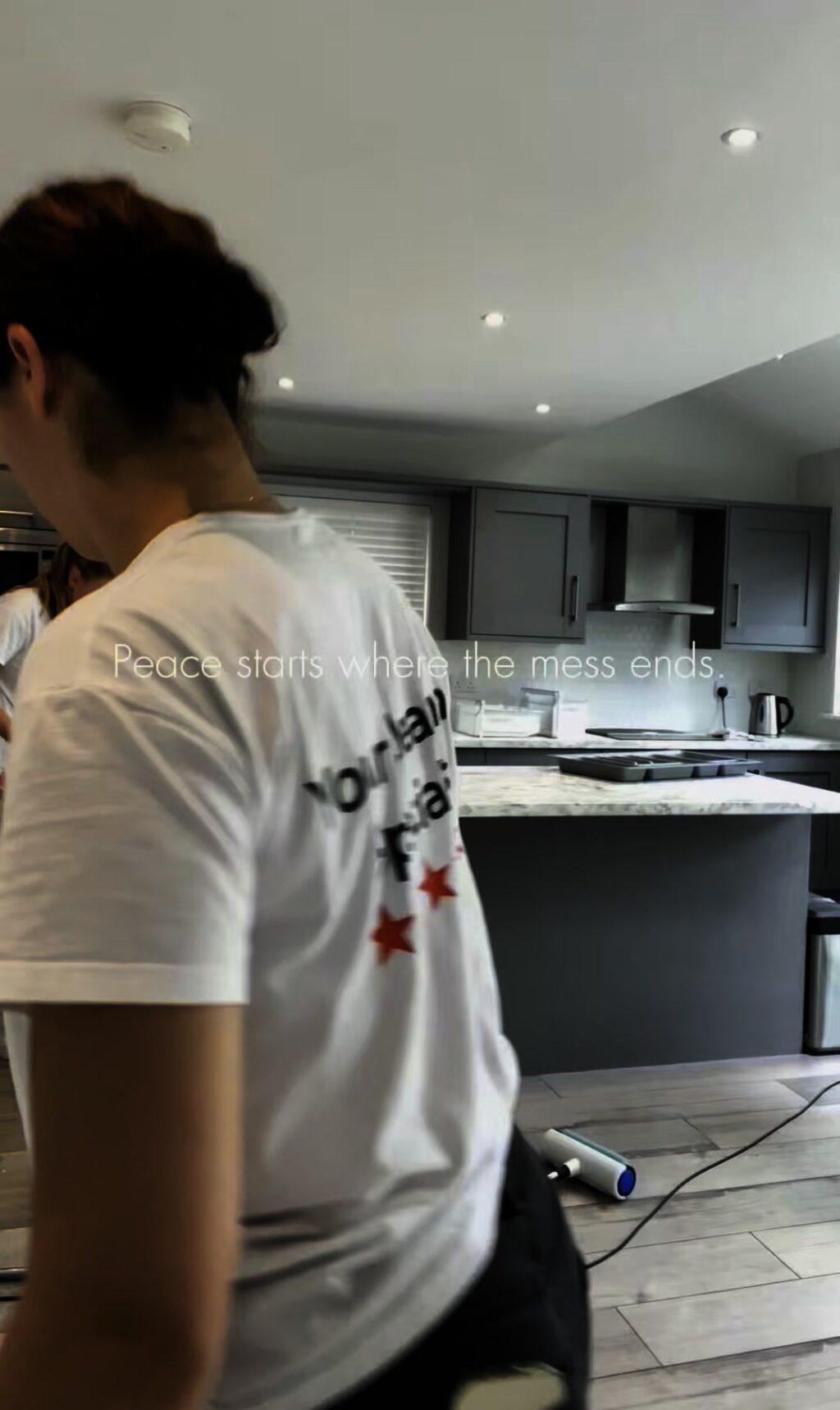
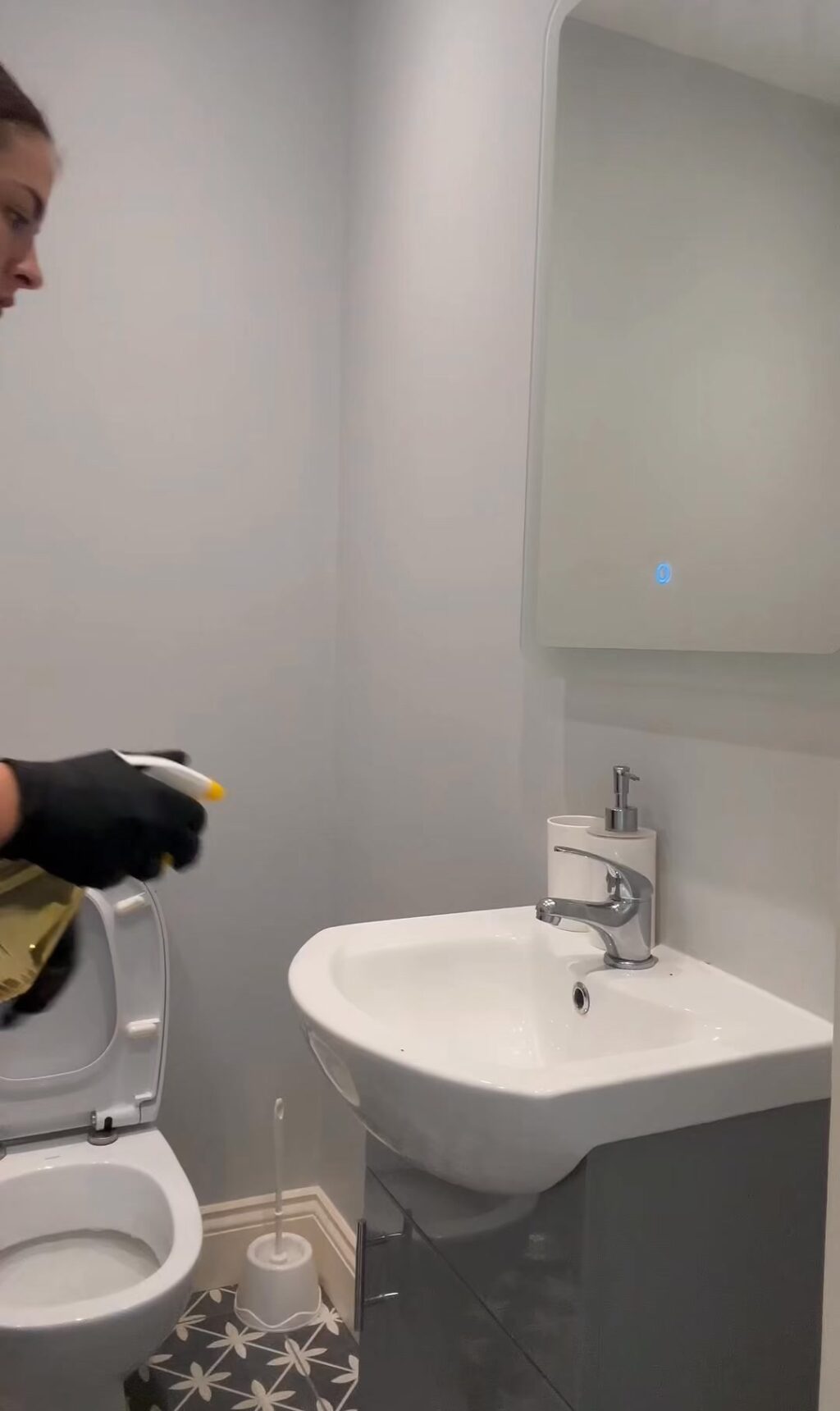
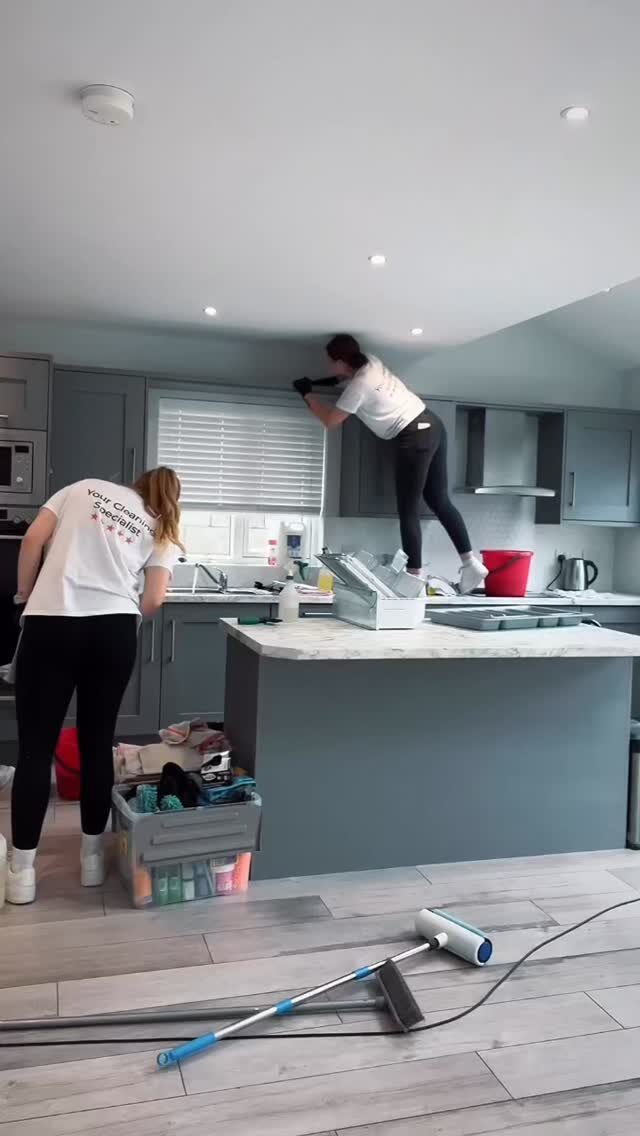
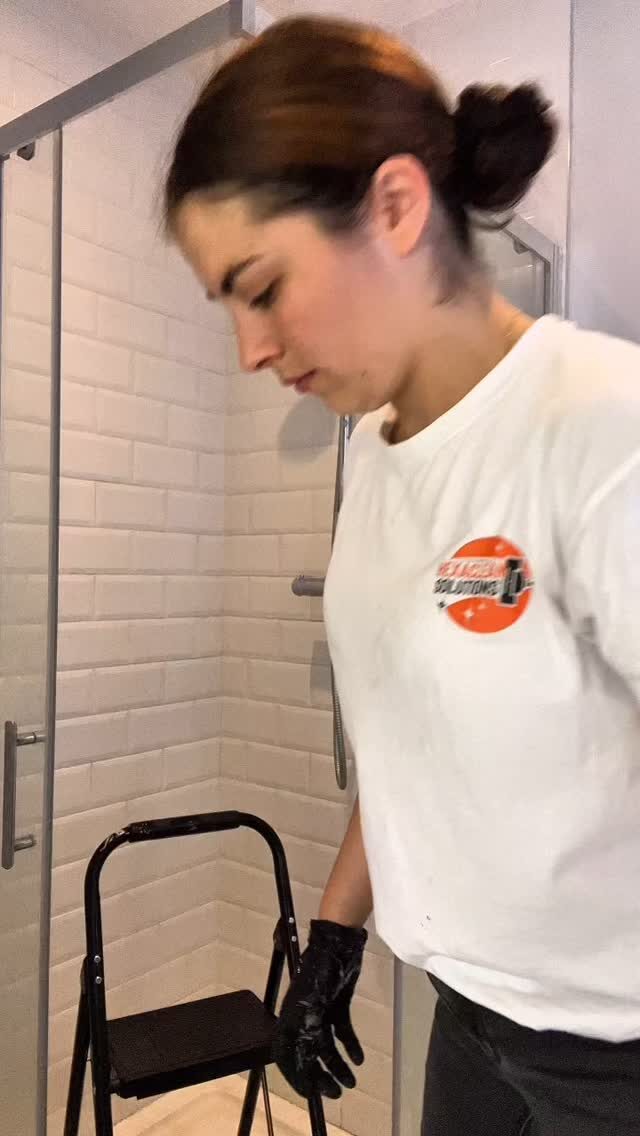
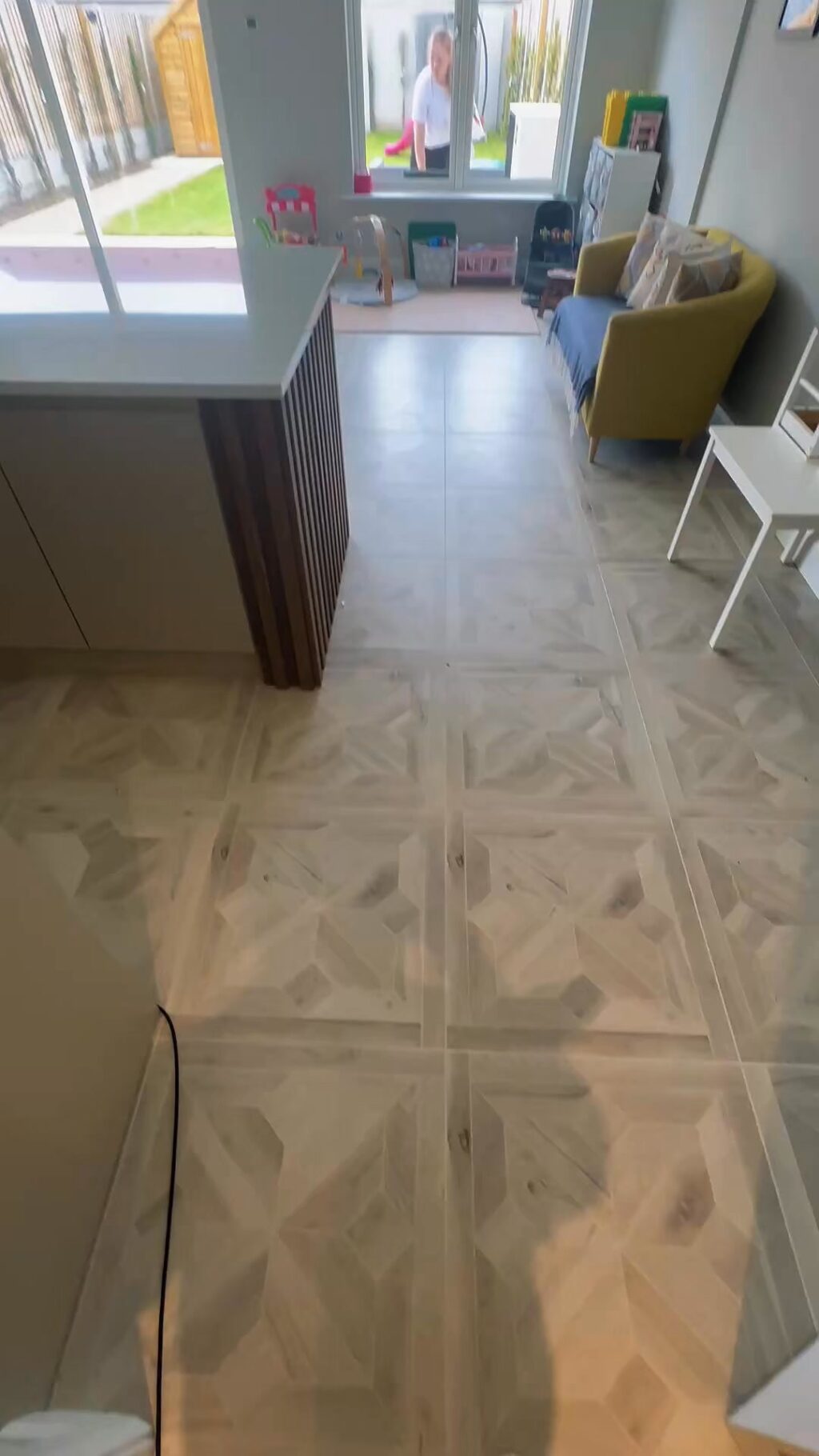
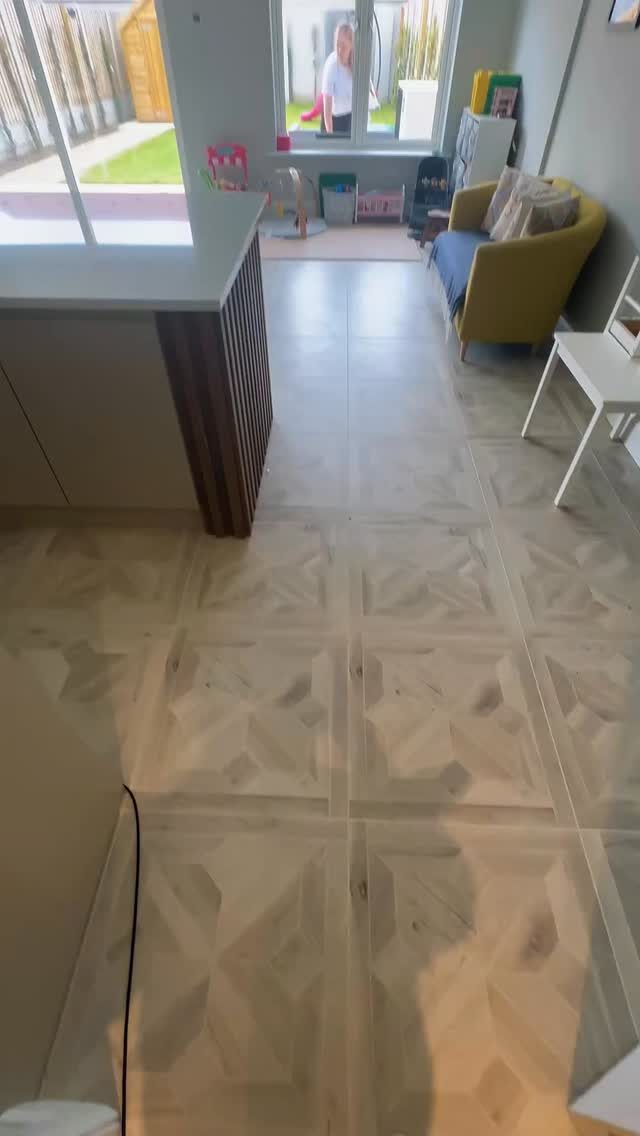
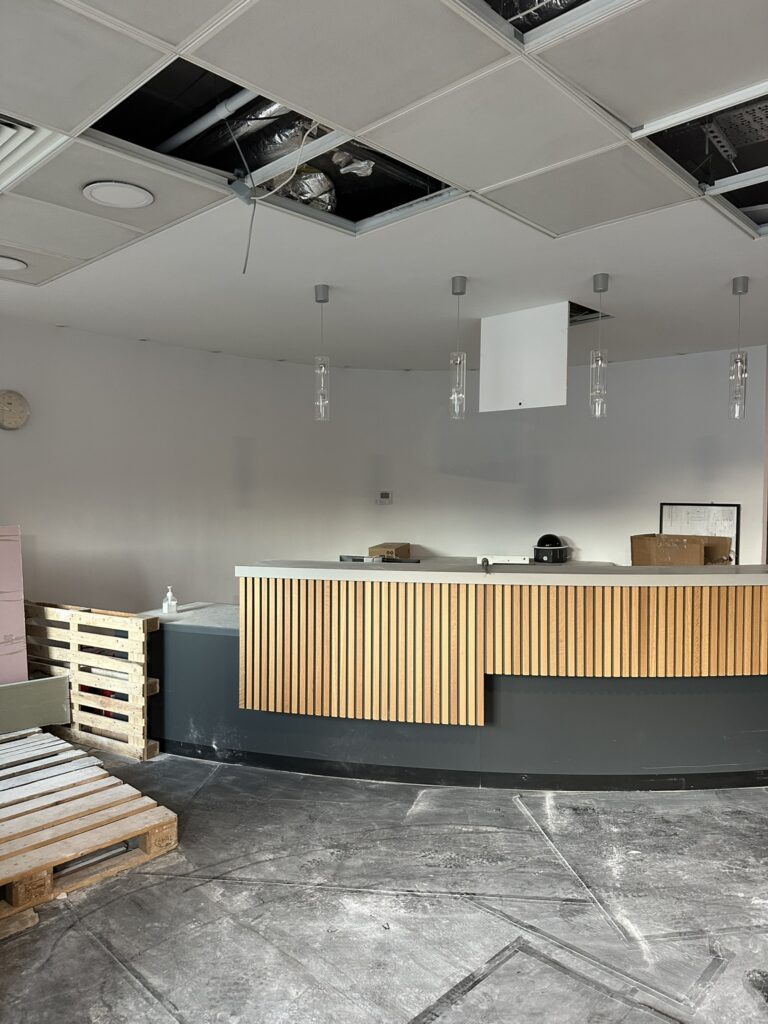
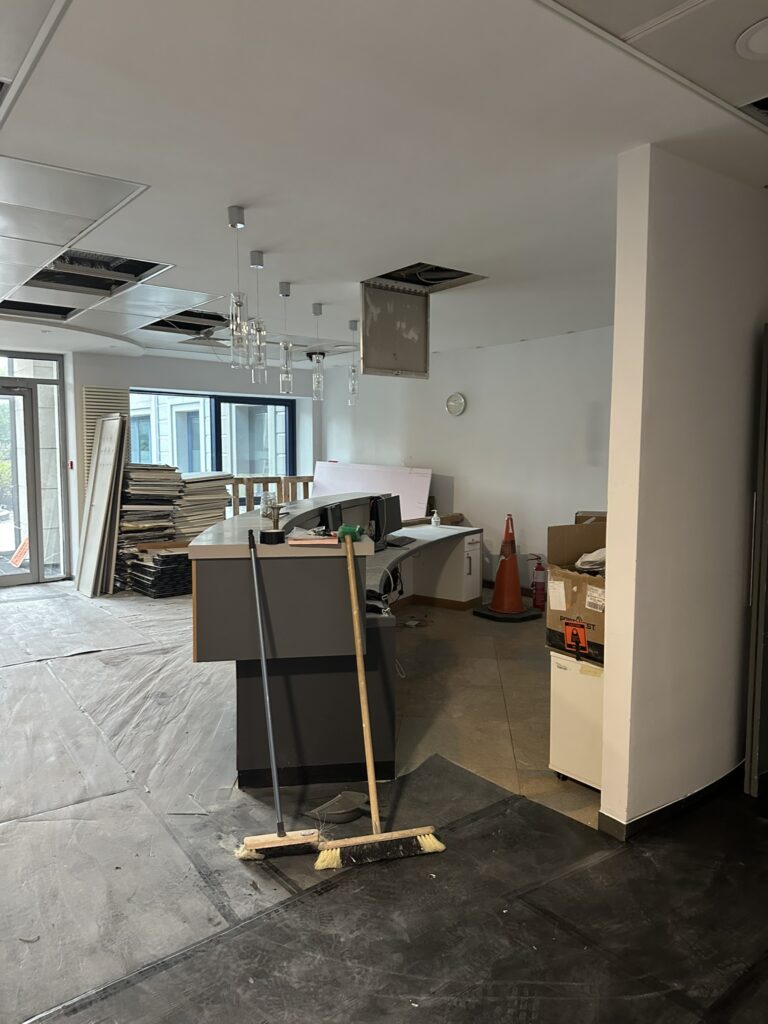
Work began while electricians were still active across Level 1 — the team moved section by section, cleaning whatever was actually clear at any given moment rather than waiting for a fully vacated floor.
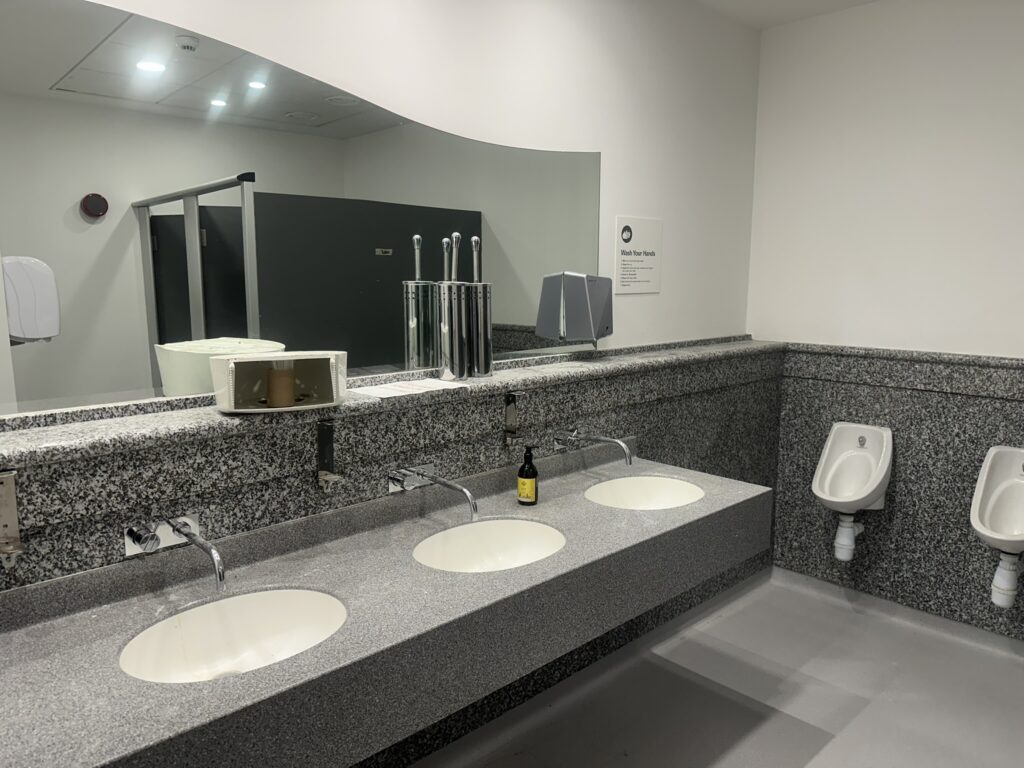
A full office level needing a genuine post-construction deep clean — carpets, ceilings, toilets, kitchen and welfare areas, sealing tiles, every surface — while electricians were still actively working the same space. Coordinating a full office fit out cleaning job around live trades meant constant awareness of what was accessible and when, without slowing down the electrical work or risking cleaned areas being disturbed again. The original schedule had already shifted once, moving the start date back a week — so once work began, there was real pressure to deliver efficiently and not let the timeline slip further.
Electricians still active across the floor meant there was no single moment where the site was fully clear to start — waiting for one would have blown the timeline before work even began.
A finished area left unguarded and walked back through by another trade means the same section gets cleaned twice, eating into time and budget nobody planned for.
Treating carpet extraction as part of the general clean, rather than its own dedicated stream, means the whole job waits on carpets drying before anything else can be signed off.
The start date had already slipped once before work began — any further delay on site would have compressed an already tight window into an impossible one.
Without a clear system for signing off completed zones, a site manager has no way to confirm what's genuinely done versus what's still pending.
A post-construction clean that overruns doesn't just push back cleaning — it holds up inspection, handover and occupation, all stacked on top of each other.
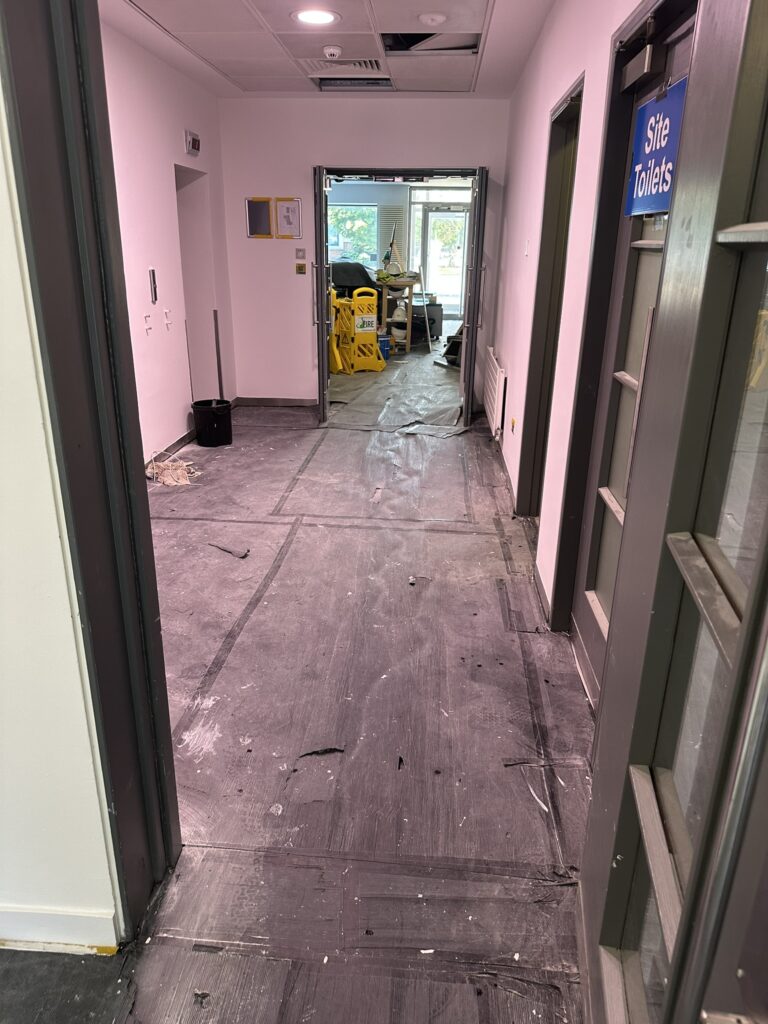
Work began while electricians were still active across Level 1 — the team moved section by section, cleaning whatever was actually clear at any given moment rather than waiting for a fully vacated floor.
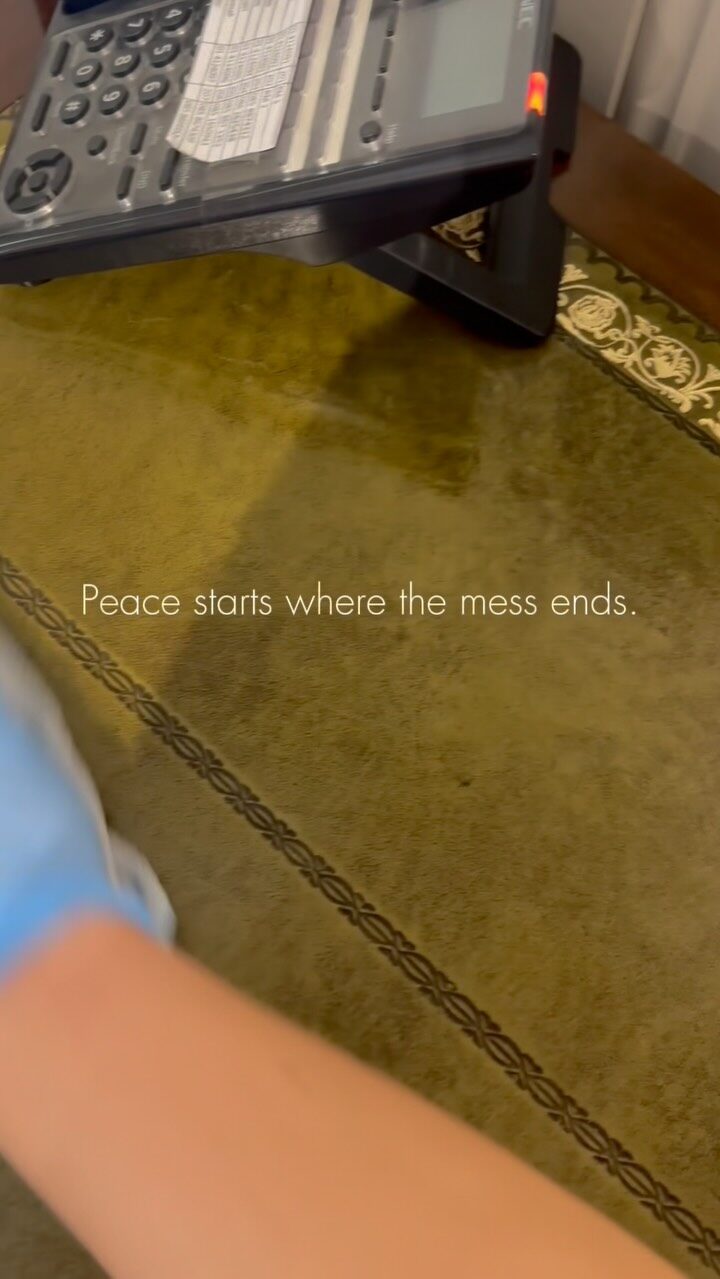
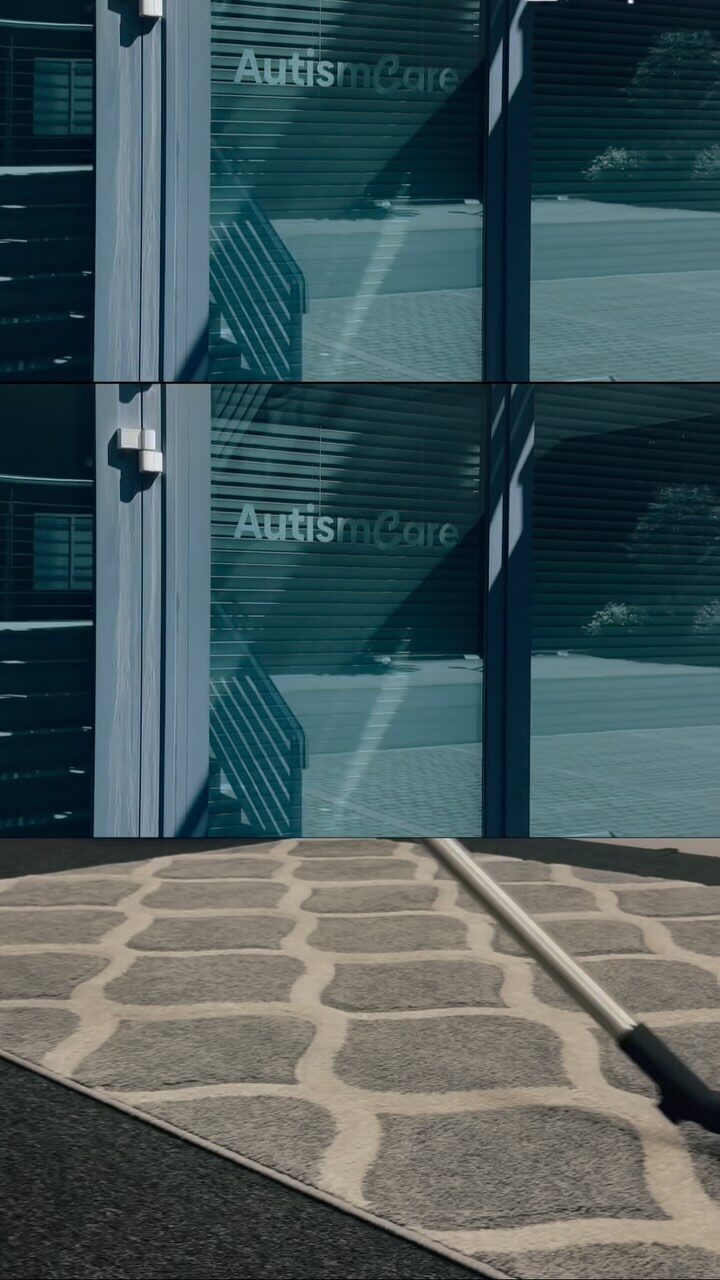
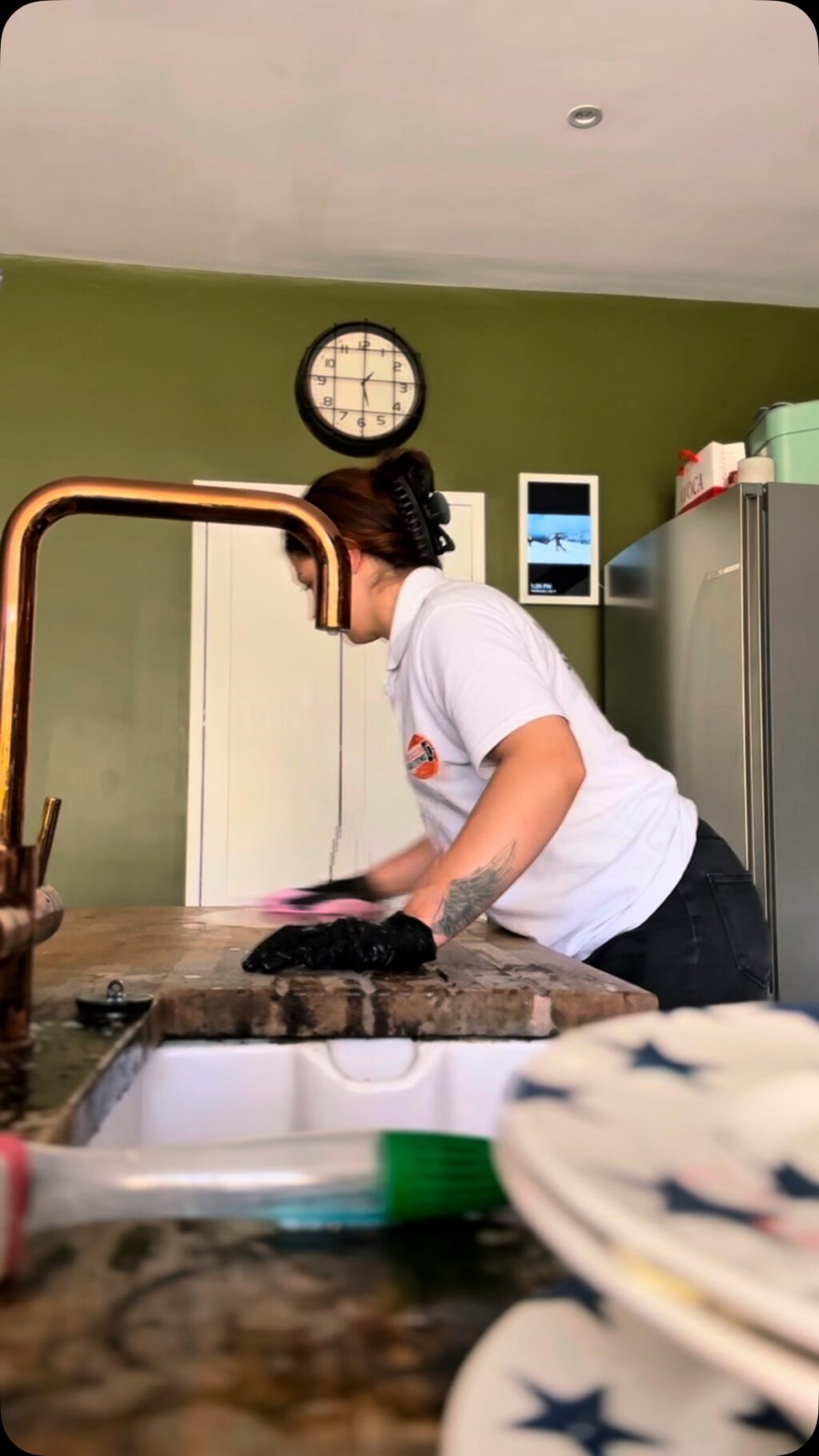
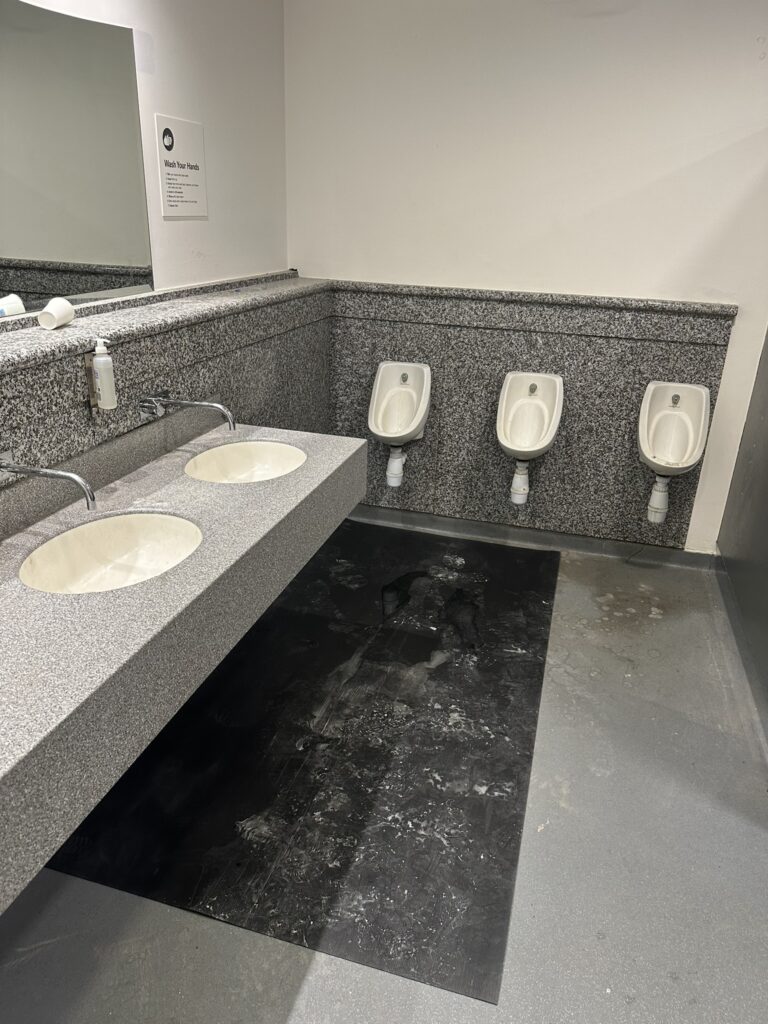
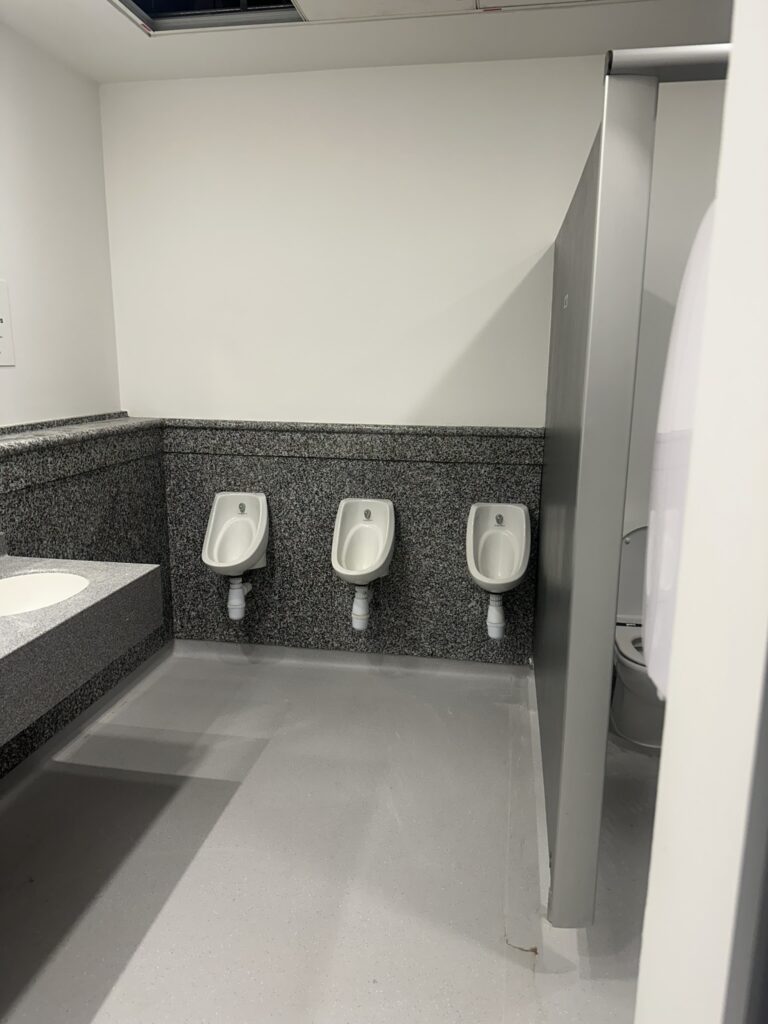
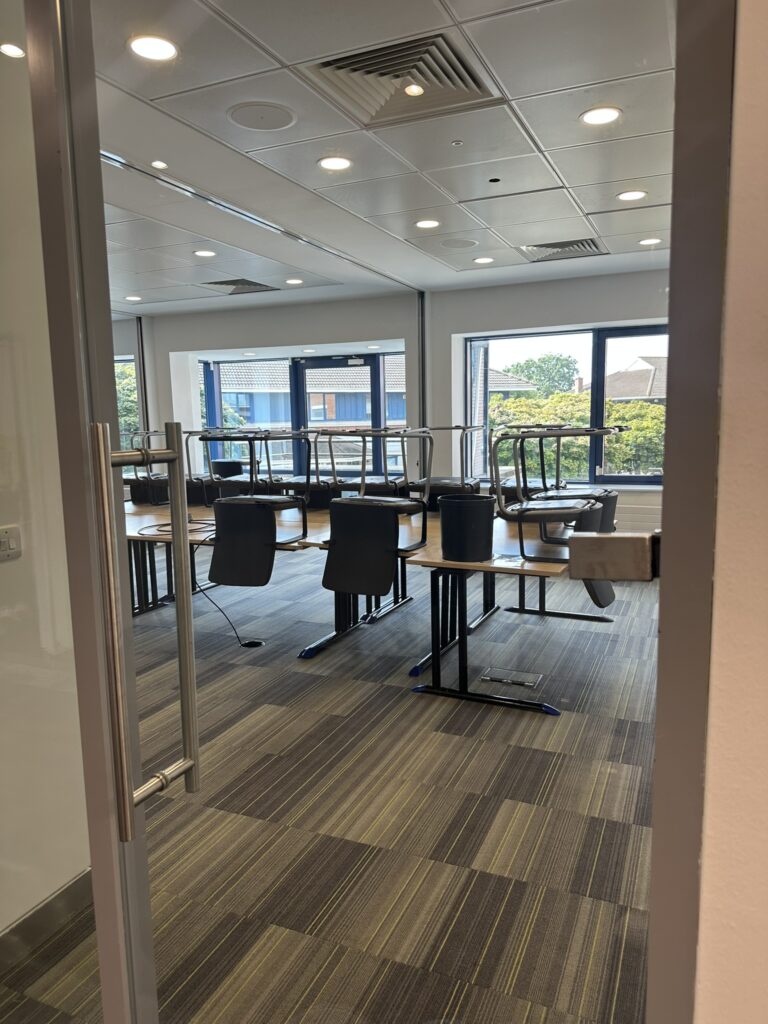
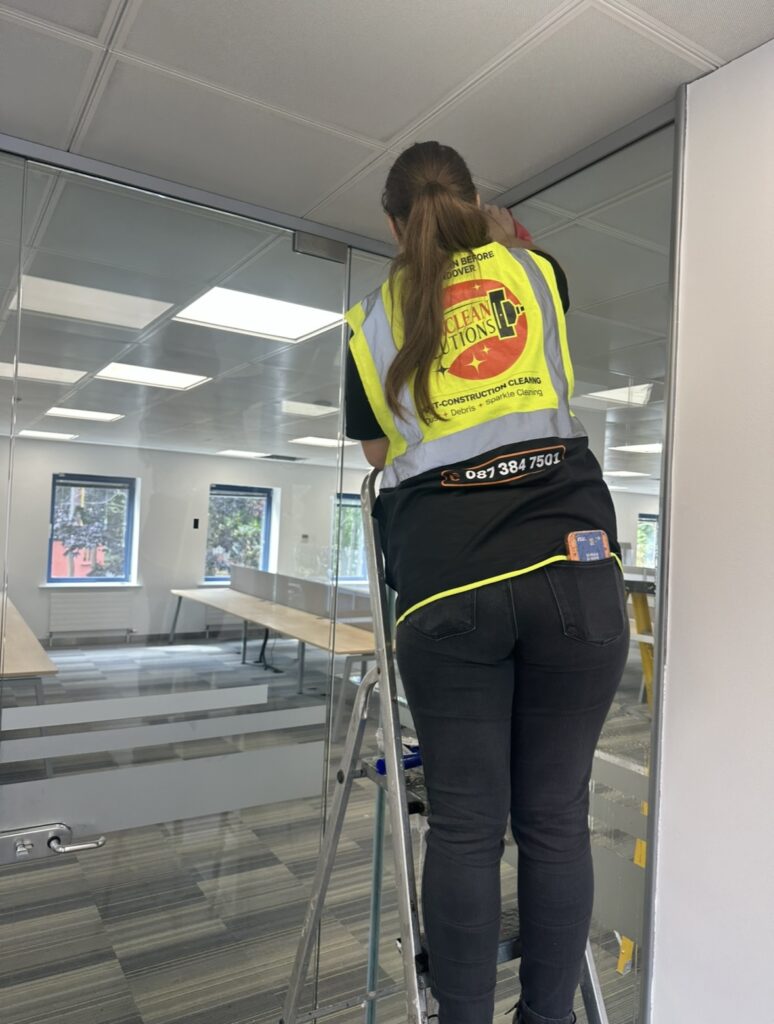
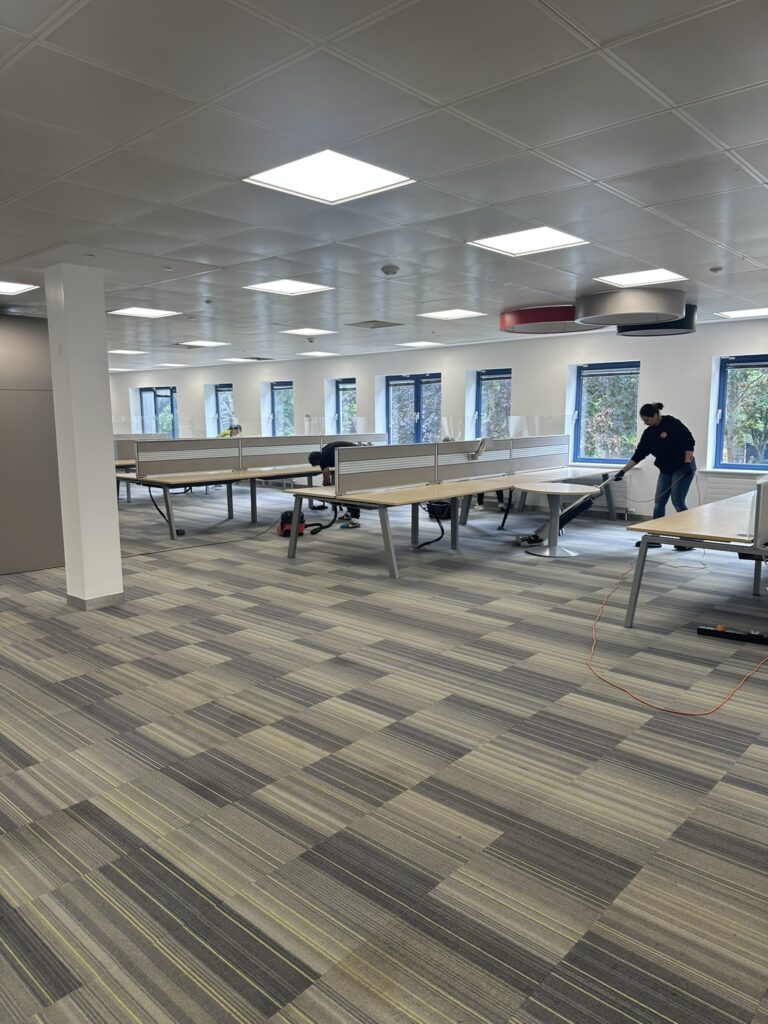
Carpet extraction ran as its own dedicated stream alongside the general clean — ceilings, toilets, kitchen and welfare areas all finished the same day, with constant back-and-forth on which zones the electrical team had cleared. The full after builders cleaning scope was signed off by end of day.






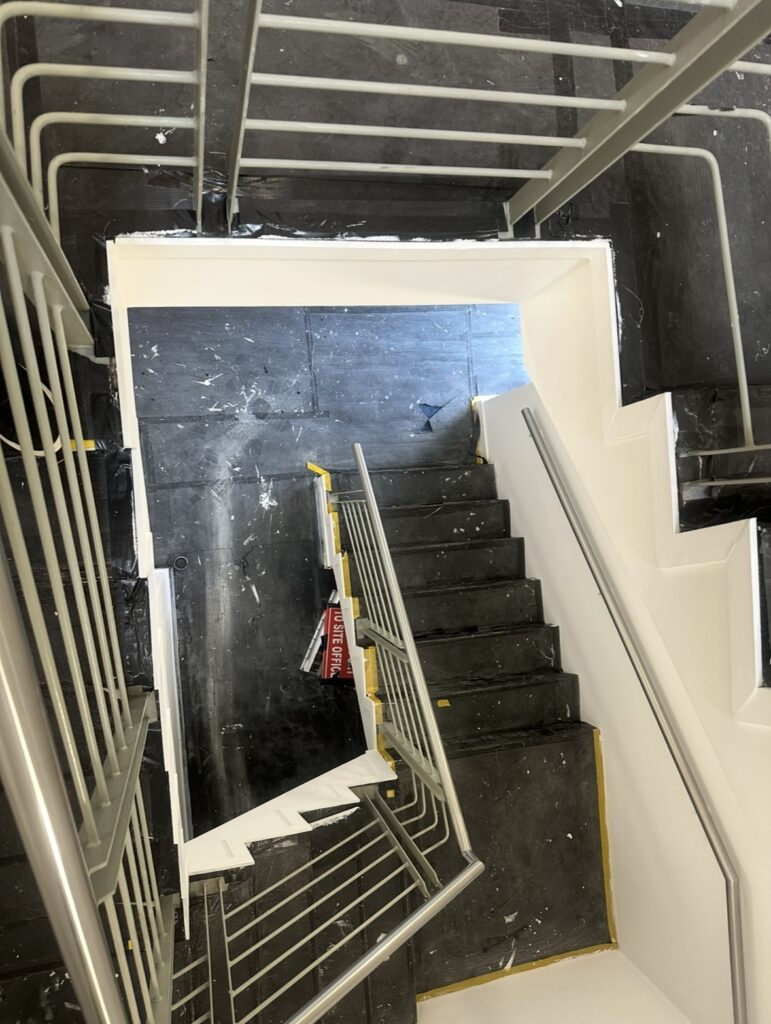
Electricians working the same floor meant one wrong move could undo a cleaned section in minutes — so areas were blocked out and cleaned in sequence, not worked through randomly. Once a zone was signed off, it was treated as closed until final walkthrough, keeping trades and cleaners out of each other’s way instead of redoing work that got disturbed twice.
Carpet extraction ran as its own separate stream from day one, worked by a dedicated two-person team the whole way through — meaning the general clean never had to stop and wait for carpets to dry or clear, and the carpet team never had to work around furniture or debris still being moved elsewhere on the floor.
That structure is what actually removed the headache for the site manager and project manager on this job: no re-cleans caused by trades moving through a “finished” area, no surprise costs from redoing sections, and no guesswork about what was actually done versus what still needed attention. Every zone was accounted for before the team left site.
Hexaclean Solutions delivers construction and post-construction cleaning across Dublin — from single-floor office fit-outs to full site handovers, coordinated around live trades and tight deadlines every time.
A proper post-construction clean covers considerably more than a standard tidy-up, and the scope should be treated as a full transformation, not a surface pass. It includes thorough dust removal from every surface — walls, ceilings, window tracks and ledges, skirting boards, switches, sockets and light fittings — since fine construction dust settles into places a routine clean never reaches, and simply wiping it away without proper extraction methods often means it resettles within days. Windows are cleaned both inside and out where access allows, including the tracks and channels where debris, silicone residue and grime build up steadily throughout a build and are frequently overlooked entirely. Floors are cleaned using methods matched to their specific surface type, kitchens and welfare areas receive dedicated attention to remove construction-related grime and residue, and any protective film, stickers or labels left behind by trades are stripped from doors, fittings and glass. On the Fire Containment project, this full scope extended further still — ceiling cleaning across the entire level, and a dedicated commercial carpet extraction run as its own separate stream, precisely so the carpet work and the general clean never held each other up.
The right checklist depends heavily on the type and scale of the space — a checklist built for a single residential property looks very different from one designed for a full commercial office floor, and applying the wrong standard to the wrong job is one of the most common reasons a post-construction clean falls short. For a commercial fit-out specifically, a proper checklist covers full dust removal from all surfaces and fixtures, floor cleaning matched precisely to the surface material, window and glass cleaning including tracks and channels, kitchen and welfare area sanitisation to a genuinely hygienic standard, ceiling cleaning where the scope requires it, and carpet extraction treated as its own dedicated line item rather than folded into general cleaning as an afterthought. On the Fire Containment job, this full checklist was applied across an entire office level, with carpet extraction handled by a dedicated two-person team running in parallel with the general clean throughout both days of the job.
Coordinating a clean around live trades means the job can't simply start once and finish in one pass — it has to be structured around what's actually accessible at any given moment, with clear communication about which zones are genuinely clear to enter and which are still active. The most effective approach is to block out sections of the site and clean them in a defined sequence, treating each completed zone as closed once signed off, rather than leaving it open for other trades to move back through unsupervised. This prevents the single most costly and frustrating outcome on a live site: a section that's already been cleaned getting disturbed again by ongoing work, which forces a re-clean and quietly eats into both budget and timeline. This is exactly how the Fire Containment job was run — Level 1 was worked through zone by zone while electricians remained active across the floor, with each finished section protected from being walked back through until final walkthrough.
Start by asking about their direct experience with projects of a similar size and type to yours, since commercial post-construction cleaning at real scale is a genuinely different discipline from a residential job, and a contractor without that specific experience is more likely to underestimate the time and resourcing required. Confirm they carry full insurance and can produce documentation on request rather than a verbal assurance alone, and ask for clarity on exactly what's included in their standard scope versus what would be treated as an add-on — carpet extraction and ceiling cleaning, for example, are sometimes priced separately from a general post-construction clean. Ask how pricing is structured so there's no ambiguity once work begins, and critically, ask how they'd handle a scope change or an unexpected issue discovered only once their team is physically on site. On the Fire Containment project, that last question mattered more than any other in practice — the ability to scale the team overnight, absorb an already-slipped start date, and still deliver the full level in two days is the difference between a contractor who quotes well and one who actually delivers.
Cost is driven primarily by three things: the size of the space, the condition it's in when the team arrives, and the specific scope of work required — a straightforward residential clean sits at a very different price point to a large commercial office floor requiring dedicated carpet extraction, full ceiling cleaning and multiple welfare areas. Beyond square metreage, other factors that meaningfully affect price include the timeline required (a compressed schedule may need a larger team mobilised faster, which increases cost), whether the site is still active with other trades working — since this slows the pace of work and requires more careful coordination — and any specialist requirements such as sealing tile treatment, heavy residue removal, or window channel deep cleaning where frames haven't been maintained since installation. On a job the scale of Fire Containment's Level 1 — a full office floor including dedicated commercial carpet extraction run as its own stream — pricing reflected both the total floor area and the specialist carpet work handled separately from the general clean.
A genuinely flexible contractor should be able to add capacity on short notice rather than requiring the client to wait for a rescheduled visit or a renegotiated timeline — this typically means drawing on staff from lower-priority projects or maintaining enough of a labour pool to redeploy people quickly when a job demands it. This capability separates contractors who fit neatly into a pre-agreed brief from those who can actually absorb a real-world curveball without the client paying the price in delay. On the Fire Containment job, the team scaled from 2 operatives on day one to 6 on day two specifically to ensure the full level — including a scope that had already shifted once with a slipped start date — was completed within the two-day window rather than running over.
It can, since coordinating around active trades requires more careful planning and often a slower, staged approach than cleaning a fully vacated site — a team has to work zone by zone rather than moving freely through the whole space at once. That said, a well-run contractor absorbs this into their scheduling rather than passing a large surcharge onto the client, since it's a routine part of commercial post-construction work rather than an exceptional circumstance. On the Fire Containment job, working around live electricians throughout Level 1 was factored into how the team sequenced the clean, not treated as a separate cost line.
Rough cleaning is typically the first pass after major construction work finishes — removing bulk debris, sweeping up large volumes of dust, and getting the space to a basic level of order. A final post-construction clean goes considerably further: full dust extraction from every surface, detailed cleaning of fixtures, fittings, glass and floors, and — where scoped — specialist work like carpet extraction and ceiling cleaning. Many commercial jobs benefit from treating these as genuinely separate stages rather than compressing both into one visit, since a rough clean alone won't bring a space to a standard suitable for inspection or occupation.
Timeline depends heavily on floor size, condition, and scope, but a correctly resourced team should be able to complete a full multi-room office floor — including carpets, ceilings, and welfare areas — within one to a few days rather than dragging into a longer, open-ended job. The key factor is team sizing matched to the actual scope: a job that's understaffed for its size will run long regardless of how skilled the team is. On Fire Containment's Level 1, a team scaling from 2 to 6 operatives completed the full floor, including dedicated carpet extraction, within two days.
Often, yes — carpet extraction is a distinct process requiring dedicated equipment and time, and treating it as its own line item (rather than folding it into a general clean) usually gives a more accurate quote and a better result. Running carpet extraction as a separate stream, staffed by its own team, also means the general clean doesn't have to pause and wait for carpets to be treated or dry before other work can continue. This was exactly the approach on the Fire Containment project, where a dedicated two-person team handled carpet extraction throughout while the rest of the crew worked the general clean in parallel.