Office cleaning for tech offices is different from cleaning traditional workplaces. Modern tech environments are built around constant device use, shared workstations, and open-plan layouts where people, equipment, and airflow interact all day long. Laptops, monitors, docking stations, standing desks, and shared peripherals are part of daily operations, which means cleaning is no longer just about making an office look tidy — it must also protect equipment and support uninterrupted work.
Unlike conventional offices, tech offices often operate at a faster pace, with flexible working patterns, hybrid teams, and spaces designed for collaboration rather than separation. Hot-desking, shared meeting rooms, breakout areas, and communal kitchens are used continuously by multiple people, increasing hygiene demands while also raising the risk of damage if cleaning is done incorrectly. In these environments, moisture, harsh chemicals, or poor techniques can cause more harm than good.
This is why office cleaning for tech offices requires a more considered approach. Cleaning methods must balance hygiene, presentation, and safety without interfering with sensitive equipment or disrupting teams during working hours. Understanding what makes tech offices different helps businesses avoid unnecessary risks, reduce downtime, and maintain a clean, professional environment that supports productivity rather than working against it.
Why Do Tech Offices Need Specialised Cleaning?
Tech offices operate very differently from traditional workplaces. While they may look clean on the surface, the way these environments are used creates specific cleaning challenges that standard office cleaning routines often don’t address properly.
The main reasons tech offices need a different approach include:
- High concentrations of equipment Desks are rarely clear. Laptops, monitors, docking stations, cables, and accessories are in constant use and need to be cleaned carefully to avoid damage.
- Shared workstations and hot-desking Multiple people using the same desks, chairs, and equipment increases hygiene risks, even if the office looks tidy.
- Open-plan and collaborative layouts Larger shared spaces mean more touchpoints, more foot traffic, and faster spread of dust and bacteria.
- Continuous daily use Tech offices often run on flexible schedules, with teams working early, late, or across hybrid patterns. Cleaning must work around people, not disrupt them.
- Higher cost of mistakes Incorrect cleaning methods can lead to damaged screens, faulty equipment, or downtime — problems that go far beyond appearance.
Because of this, office cleaning for tech offices needs to balance hygiene, equipment protection, and minimal disruption. The focus isn’t just on making spaces look clean, but on maintaining an environment where people and technology can operate reliably every day.
The same challenges exist in managed commercial buildings, where cleaning must account for shared access, consistent standards, and ongoing use.
How Often Should Tech Offices Be Cleaned?
There is no single cleaning schedule that works for every tech office. How often a space should be cleaned depends on how it is used, how many people work there, and how much sharing takes place between teams and workstations. Tech offices typically require more frequent cleaning than traditional offices because of higher interaction with shared spaces and equipment.
In most cases, daily cleaning is recommended for core areas such as kitchens, bathrooms, bins, and shared desks. These areas see constant use and can quickly become hygiene risks if cleaning is reduced. Even when staff work hybrid schedules, shared spaces still accumulate bacteria and debris at a faster rate than private offices.
Other areas may not need daily attention but should still be cleaned regularly based on usage:
- Workstations in hot-desking environments
- Meeting rooms and collaboration spaces
- Breakout areas and phone booths
Smaller tech offices with low foot traffic may manage with cleaning several times per week, while larger open-plan offices or fast-growing teams often need a daily routine to maintain hygiene and presentation. The key is consistency rather than occasional intensive cleaning.
For tech offices, cleaning frequency should always be aligned with how the space actually functions — not just how it looks at the end of the day.
Can Standard Office Cleaning Damage Tech Equipment?
Yes — standard office cleaning can cause problems in tech offices if it isn’t adapted to the environment. Most traditional cleaning routines are designed for empty desks and hard surfaces, not offices filled with electronics that remain in place throughout the day.
One of the most common issues is moisture. Spraying products directly onto desks, screens, or surfaces near equipment can allow liquid to seep into keyboards, ports, docking stations, or power points. Even small amounts of moisture can lead to malfunction, screen damage, or intermittent faults that are difficult to trace later.
Another risk comes from incorrect products and tools. Harsh chemicals, abrasive cloths, or excessive pressure can damage monitor coatings, scratch screens, or mark standing desks and control panels. What works on glass or laminate surfaces in a traditional office is often unsuitable for modern tech workstations.
There is also the issue of cables and peripherals. Tech desks are rarely simple. Loose cables, charging hubs, and connected devices can easily be disturbed during cleaning, leading to disconnected equipment, setup issues, or wasted time when staff return to work.
Because of these risks, office cleaning for tech offices needs to be more controlled and methodical. Cleaning should focus on surface hygiene and dust control while avoiding direct contact with sensitive components. The goal is to keep workspaces clean and safe without interfering with the technology people rely on to do their jobs.
Incorrect cleaning methods around electronics can also conflict with recognised workplace and equipment standards published by the International Organization for Standardization.
What Areas Need Extra Attention in Tech Offices?
Tech offices may look minimalist, but they contain more high-use areas than most traditional workplaces. Cleaning needs to prioritise the zones that are touched frequently, shared between teams, or located close to sensitive equipment.
- Workstations, Desks, and Hot-Desking Areas Desks in tech offices are rarely used by just one person. Hot-desking and flexible seating mean surfaces are shared throughout the day, increasing hygiene risks. Cleaning here focuses on desk surfaces, chairs, armrests, and surrounding areas without disturbing equipment setups.
- Monitors, Keyboards, and Shared Peripherals Screens, keyboards, mice, and docking stations are high-touch items but also the most sensitive. These areas require low-moisture methods and careful handling to avoid damage while still reducing bacteria and visible grime.
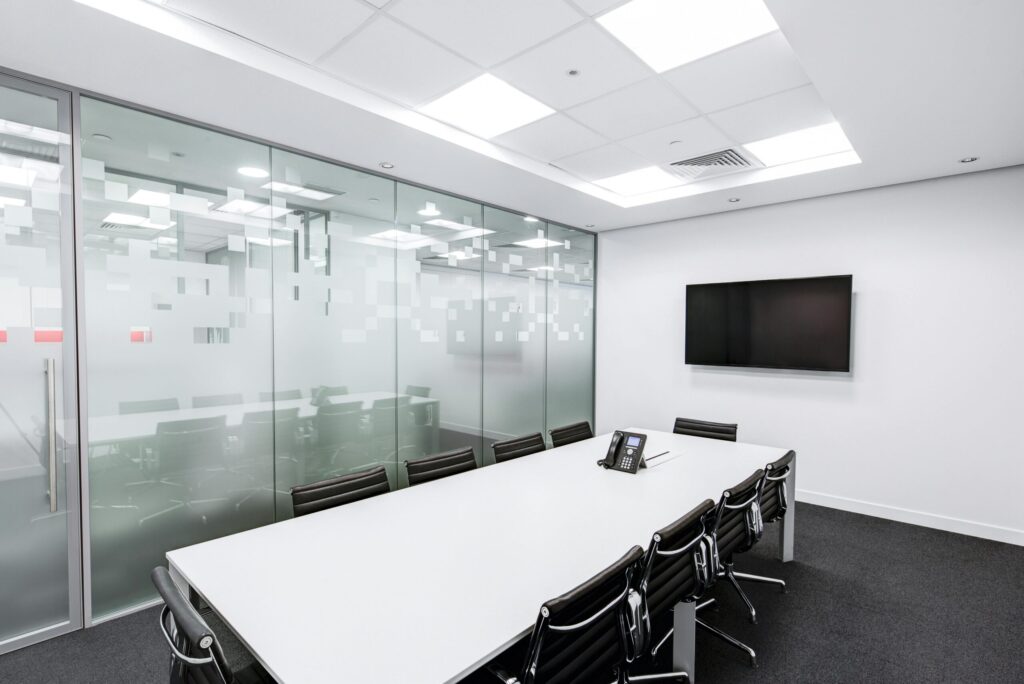
- Meeting Rooms and Collaboration Spaces Meeting rooms are used constantly for calls, presentations, and teamwork. Tables, chairs, control panels, door handles, and shared screens all need regular attention to maintain hygiene and professional appearance.
- Kitchens, Coffee Stations, and Break Areas These spaces tend to be the highest hygiene risk in tech offices. Frequent use, shared appliances, and food preparation mean surfaces can become contaminated quickly if cleaning isn’t consistent.
- Server Rooms and IT Closets (Light-Touch Areas) While these areas are not cleaned in the same way as office spaces, dust control is essential. Cleaning here is usually limited to floors and accessible surfaces, with strict avoidance of liquids or interference with equipment.
By focusing on these specific areas, office cleaning for tech offices remains effective without increasing the risk of disruption or damage. Attention is placed where it matters most, rather than applying the same routine everywhere.
These items are similar to shared equipment environments, where hygiene must be maintained without risking damage to frequently used devices.
Is Office Cleaning Different for Open-Plan Tech Offices?
Yes — open-plan layouts change how office cleaning needs to be carried out in tech environments. Open spaces mean more shared air, more movement, and far more touchpoints than closed or segmented offices. When dozens of people work in the same area, dirt, dust, and bacteria spread faster, even if the space appears visually clean.
One of the biggest challenges in open-plan tech offices is disruption. Teams are often on calls, focused on development work, or collaborating in real time. Cleaning routines need to be timed carefully to avoid noise, interruptions, or cleaners moving through active work zones. This is why many tech offices favour early-morning, evening, or structured out-of-hours cleaning schedules.
Open-plan offices also rely heavily on shared surfaces. Desks, chairs, breakout furniture, whiteboards, and informal meeting areas are used continuously throughout the day. Without regular attention, these surfaces quickly become hygiene hotspots, particularly in hot-desking environments where multiple people rotate through the same spaces.
Another factor is airflow and dust movement. Larger open areas allow dust to circulate more easily, especially around equipment, vents, and floor surfaces. Effective cleaning focuses on controlled dust removal and consistent maintenance rather than aggressive, one-off cleans that simply redistribute particles.
For open-plan tech offices, the goal of office cleaning is balance: maintaining hygiene and presentation while working around people, technology, and fast-paced workflows. When cleaning adapts to the layout instead of fighting it, the office stays cleaner with far less disruption.
How Professional Office Cleaning Is Adapted for Tech Enviorments
Professional office cleaning for tech environments starts with understanding how the space actually functions. Tech offices are assessed differently from traditional workplaces because cleaning needs to work around people, equipment, and fast-moving teams rather than empty desks and fixed routines.
The first step is identifying risk areas. This includes sensitive equipment zones, shared desks, collaboration spaces, and areas with high foot traffic. Cleaning methods are then adapted to reduce moisture, avoid direct contact with electronics, and prevent disruption to workstations that remain in use throughout the day.
Another key difference is process consistency. Tech offices benefit from structured cleaning routines that focus on frequent touchpoints and shared areas rather than occasional intensive cleans. This keeps hygiene levels stable and avoids the build-up of dust and grime that can affect both people and equipment over time.
Timing also plays an important role. Many tech offices require cleaning to take place early in the morning, in the evening, or during low-activity periods to minimise noise and interruption. In some environments, cleaners work in defined zones to ensure teams can continue working without distraction.
When office cleaning is adapted properly for tech offices, it becomes part of the operational flow of the workplace rather than a disruption. The result is a cleaner, safer environment that supports productivity, protects equipment, and maintains a professional standard without getting in the way of daily work.
FAQs: Office Cleaning for Tech Offices
Do tech offices need daily cleaning?
In most cases, yes. Shared areas such as kitchens, bathrooms, bins, and hot-desking zones benefit from daily cleaning to maintain hygiene. Smaller tech offices with limited foot traffic may manage with cleaning several times per week, but consistency is more important than occasional deep cleans.
Can cleaners work safely around live equipment?
Yes, when the cleaning approach is adapted properly. Office cleaning for tech offices avoids direct spraying, excessive moisture, and unnecessary contact with equipment. Cleaning focuses on surrounding surfaces and high-touch areas while leaving devices undisturbed.
Is screen and keyboard cleaning included in office cleaning?
Light-touch cleaning of screens and peripherals can be included, but it is usually carried out using dry or low-moisture methods. Aggressive cleaning or unsuitable products should be avoided to prevent damage to screens, coatings, and internal components.
Are open-plan tech offices harder to keep clean?
They can be. Open-plan layouts involve more shared surfaces, higher foot traffic, and increased dust circulation. Regular, structured cleaning routines help maintain hygiene without disrupting teams or redistributing dust across the space.
Does hybrid working reduce the need for office cleaning?
Not necessarily. Even with hybrid schedules, shared desks, meeting rooms, and kitchens are still used by multiple people. These areas continue to require regular cleaning to prevent hygiene issues and maintain a professional working environment.
Conclusion
Tech offices may appear clean and minimalist, but the way they are used creates very different cleaning demands compared to traditional workplaces. High concentrations of equipment, shared workstations, open-plan layouts, and flexible working patterns all mean that standard office cleaning routines are often not enough.
Understanding these differences helps businesses avoid unnecessary risks, from equipment damage to hygiene issues and workplace disruption. When office cleaning for tech offices is approached with care and adapted to how the space actually functions, it supports productivity, protects valuable assets, and maintains a professional environment that people can work in comfortably every day.
Choosing the right cleaning approach isn’t about doing more — it’s about doing what’s appropriate for the space. For tech offices, that difference matters.