
Low-hour cleaning in finance offices is often chosen as a cost-saving measure, but it rarely supports the demands of busy, professional workplaces. Finance and insurance offices operate in environments where professionalism, hygiene, and consistency matter every single day. These are workplaces with constant foot traffic, shared facilities, client-facing areas, and teams working full schedules — not quiet offices that sit half-empty.
Low-hour cleaning contracts are often chosen because they look efficient on paper. A few hours here and there can seem enough to “keep things ticking over.” In reality, this approach rarely works in finance and insurance offices. The time allocated simply doesn’t match the demands of the space, and that mismatch is where standards start to slip.
Over time, the result is familiar: missed areas, rushed work, complaints from staff, washrooms and kitchens falling behind, and Workplace or Facilities teams having to step in far more often than they should. What starts as a cost-saving decision often turns into an ongoing operational frustration.
What Is Finance & Insurance Office Cleaning?
Finance and insurance office cleaning refers to the ongoing, structured cleaning of workplaces where consistency, hygiene, and presentation are critical to daily operations. These are not casual office environments — they are professional spaces used continuously by staff, management, and often clients or external partners.
Unlike general office cleaning, finance and insurance offices typically have higher expectations around cleanliness due to constant occupancy, shared workstations, meeting rooms, kitchens, and washrooms that are used throughout the day. Surfaces are touched frequently, floors experience steady foot traffic, and small lapses in cleaning become noticeable very quickly.
Effective finance and insurance office cleaning focuses on maintaining standards across the entire working week, not just improving appearance temporarily. This means ensuring workspaces remain clean, hygienic, and presentable day after day, without relying on rushed visits or last-minute fixes.
When done properly, this type of cleaning supports employee wellbeing, protects the professional image of the business, and allows Workplace, Operations, and Facilities teams to focus on running the office — not chasing cleaning issues.
Why Finance & Insurance Offices Require Structured Cleaning
Finance and insurance offices operate at a pace that doesn’t slow down between cleaning visits. Staff are in the building all day, meetings run back-to-back, and shared areas are used constantly. In this kind of environment, cleaning needs to be planned and structured — not squeezed into short, irregular time slots.
One of the main reasons structured cleaning is essential is consistency. When cleaning time is limited, cleaners are forced to prioritise only the most visible areas. Less obvious but equally important spaces — such as break areas, washrooms, touchpoints, and corners of meeting rooms — are often missed or rushed. Over time, these gaps build up and standards begin to slip.
There’s also the issue of predictability. Finance and insurance teams expect the office to feel the same every morning they arrive. When cleaning is inconsistent, staff notice. Small issues like unemptied bins, marked floors, or untidy kitchens quickly become distractions and sources of frustration, even if they seem minor individually. Maintaining consistent workplace standards plays a direct role in employee wellbeing and day-to-day performance, a point often highlighted in guidance from organisations such as IBEC.
Structured cleaning allows tasks to be spread properly across the week, rather than crammed into a few hours. It ensures that all areas receive attention, hygiene is maintained consistently, and standards don’t depend on who happens to be cleaning that day. For finance and insurance offices, this level of structure isn’t a luxury — it’s what keeps the workplace functioning smoothly.
The same structured approach is used in regulated environments, where cleaning must be consistent, planned, and controlled to avoid issues before they appear.
Common Hygiene & Consistency Risks in Finance Offices
When finance and insurance offices rely on low-hour or poorly structured cleaning, problems tend to appear gradually rather than all at once. Because the office is in constant use, small issues build up over time until they become noticeable — and harder to ignore.
Common risks include:
- Inconsistent cleaning standards Different areas receiving attention each visit, leading to some spaces being regularly overlooked.
- High-touch points not cleaned often enough Door handles, light switches, shared equipment, and meeting room controls becoming hygiene weak spots.
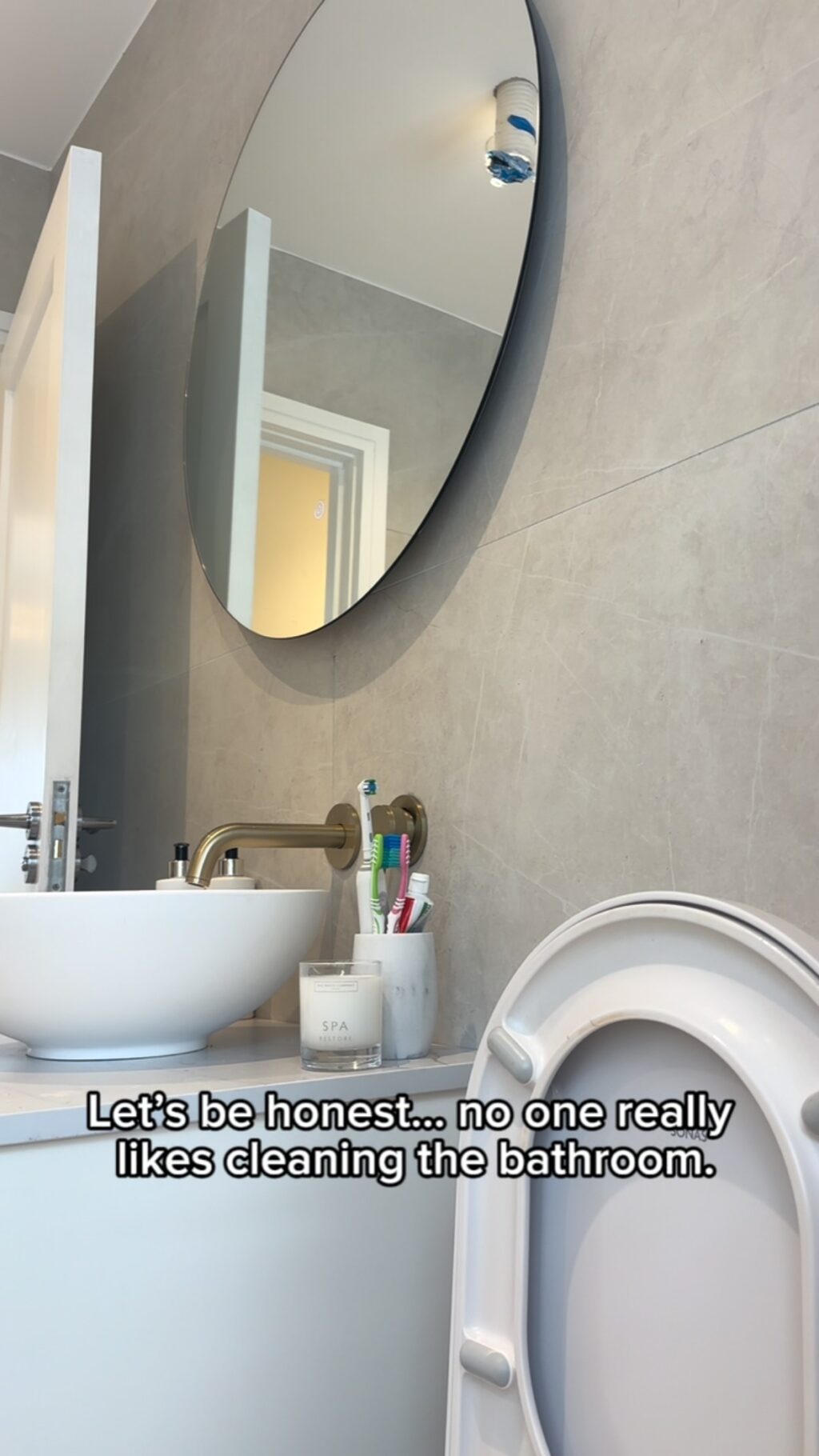
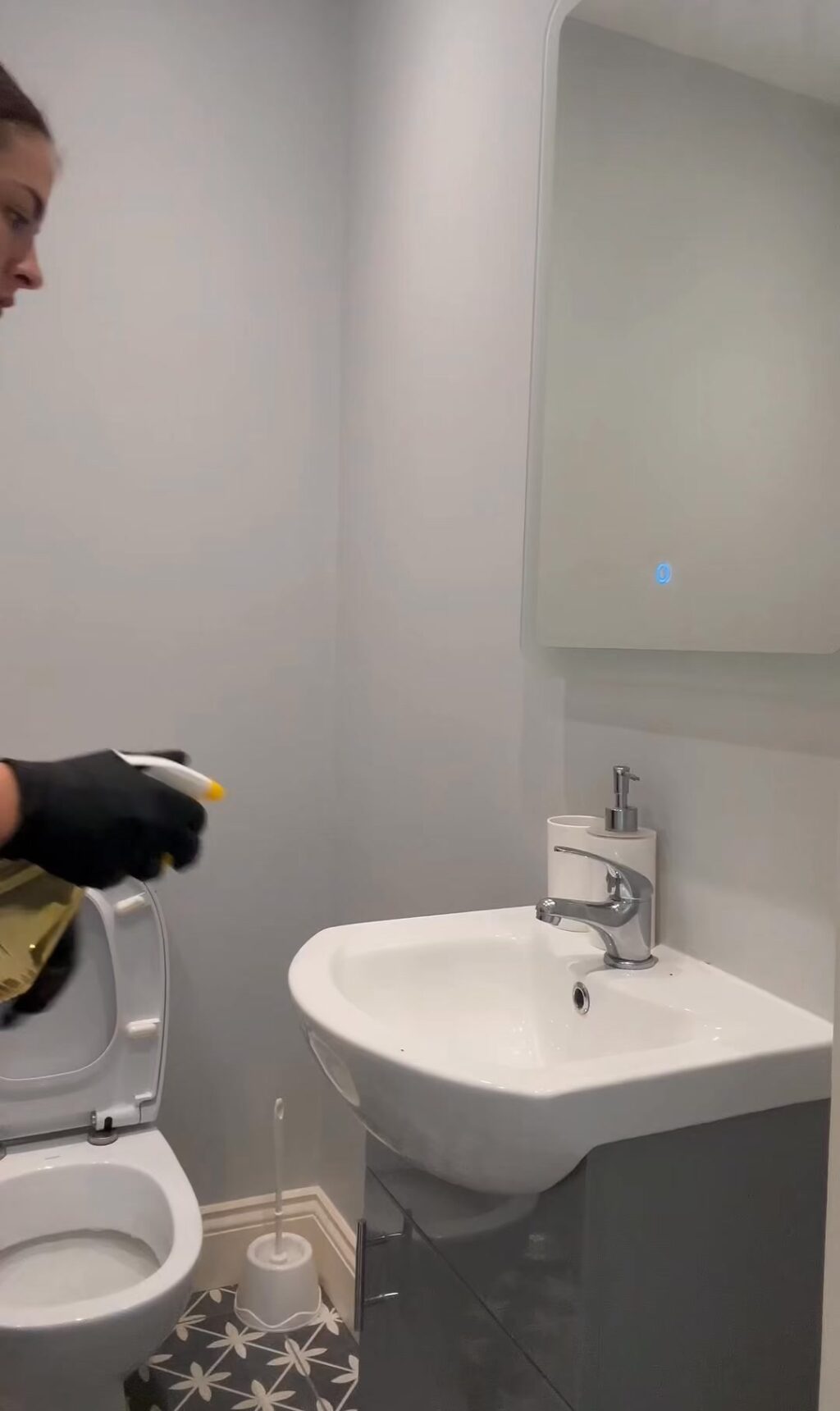
- Washrooms falling behind Toilets and sinks needing more frequent attention than short cleaning windows allow.
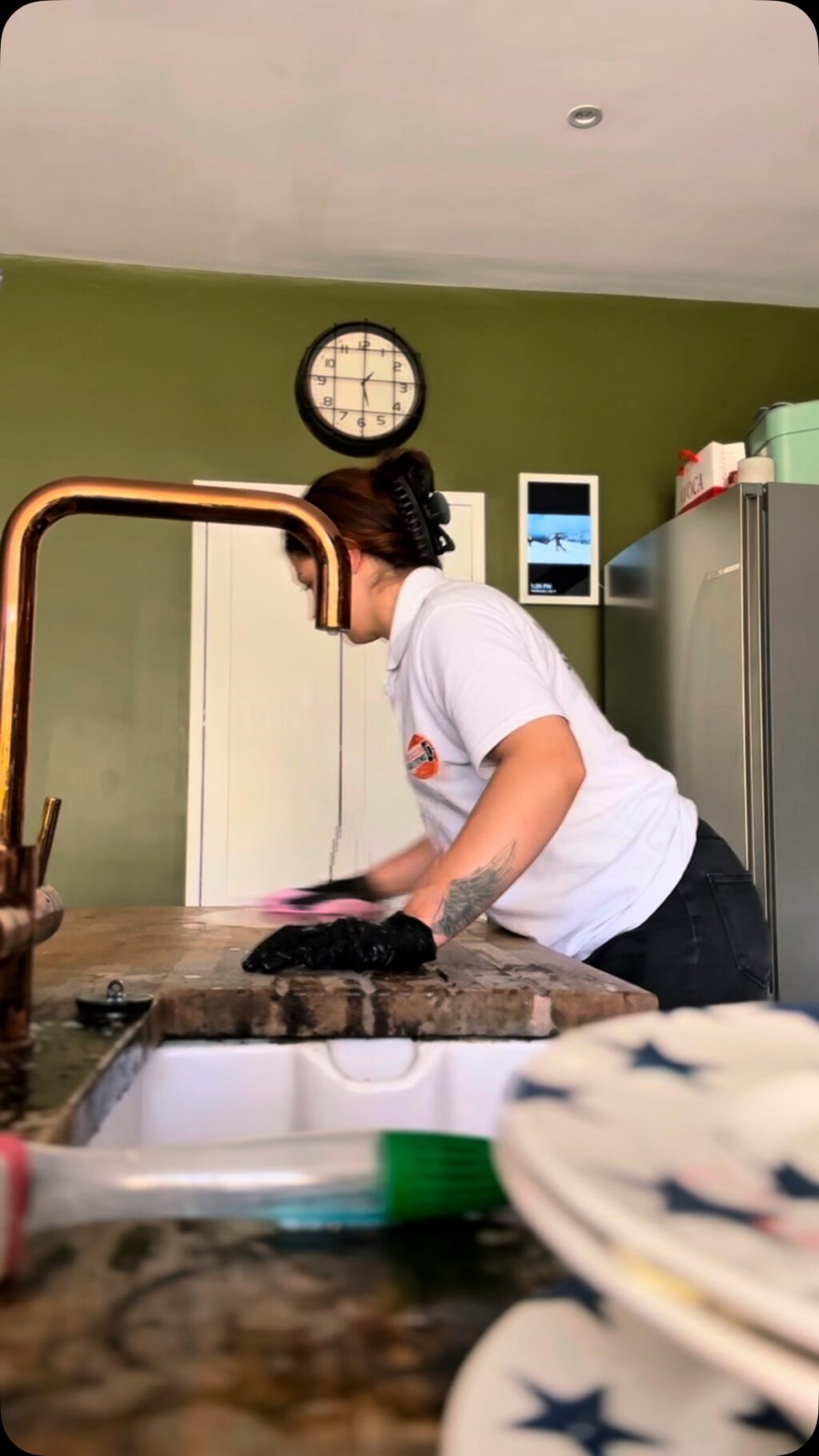
- Kitchens and break areas becoming unpleasant Worktops, appliances, and sinks deteriorating quickly when cleaning is rushed.
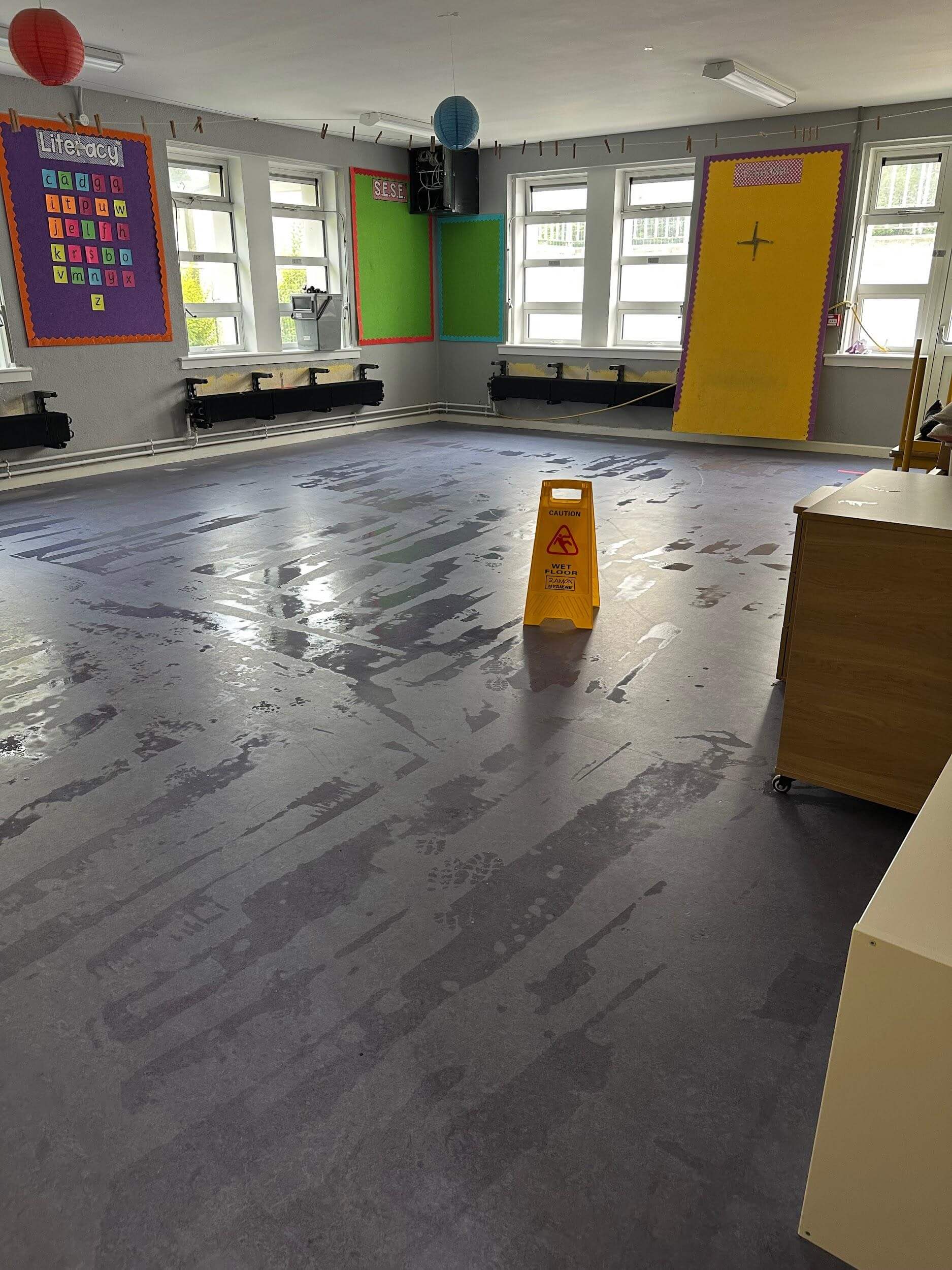
- Floors and high-traffic areas showing wear Marks, dirt, and debris building up due to constant footfall throughout the day.
- Increased staff complaints Employees noticing lapses and raising issues that require follow-up from Workplace or Facilities teams.
These risks don’t usually stem from poor effort — they come from a lack of time and structure. When cleaning is treated as a short task rather than an ongoing process, maintaining consistent hygiene across a finance or insurance office becomes difficult to sustain.
What Does Finance & Insurance Office Cleaning Include?
Finance and insurance office cleaning focuses on maintaining hygiene, order, and presentation across spaces that are used continuously throughout the working day. Because these environments are busy and professional, cleaning needs to cover both visible areas and the less obvious touchpoints that affect comfort and hygiene.
A typical finance and insurance office cleaning scope includes:
- Workstations and desks Removal of dust, marks, and residue from daily use while respecting personal and shared spaces.
- Meeting rooms and boardrooms Tables, chairs, presentation areas, and shared equipment cleaned and reset for ongoing use.
- Kitchens and break areas Worktops, sinks, appliances, tables, and eating areas kept hygienic and presentable.
- Washrooms and sanitary facilities Toilets, sinks, dispensers, mirrors, and floors cleaned and replenished regularly
- Floors and high-traffic areas Vacuuming and mopping of corridors, entrances, and common spaces affected by constant footfall.
- High-touch points Door handles, switches, handrails, lift buttons, and shared controls sanitised consistently.
The aim isn’t occasional deep cleaning, but maintaining a steady standard that holds up throughout the week. When these areas are cleaned properly and consistently, the office remains professional, comfortable, and ready for daily operations without the need for constant follow-ups.
How Often Should Finance & Insurance Offices Be Cleaned?
The right cleaning frequency for finance and insurance offices depends less on square footage and more on how the space is actually used. These offices are typically occupied all day, with staff moving between desks, meeting rooms, kitchens, and shared facilities from morning to evening.
For most finance and insurance workplaces, once- or twice-weekly cleaning is rarely enough. By the time the next visit comes around, high-traffic areas, washrooms, and kitchens have already fallen behind. This is why low-hour contracts often feel like they’re constantly playing catch-up.
In practice, effective cleaning for finance and insurance offices usually involves:
- Regular coverage across the working week, rather than isolated short visits
- More frequent attention to washrooms, kitchens, and touchpoints, where hygiene issues build fastest
- A structured rotation of tasks, so all areas receive consistent care instead of rushed prioritisation
Cleaning schedules should support how the office operates, not work against it. When frequency matches occupancy and usage, standards are easier to maintain and issues are prevented rather than corrected after the fact.
Who Is Responsible for Cleaning in Finance Insurance Tech Offices?
Responsibility for office cleaning in finance and insurance environments usually sits with Workplace, Operations, or Facilities teams. While cleaning itself may be outsourced, the outcome is still owned internally, which is where problems often arise with low-hour contracts.
When cleaning time is limited, responsibility becomes blurred. Cleaners are expected to prioritise, staff assume certain areas will be handled, and Facilities teams end up fielding complaints about issues they didn’t directly cause. Over time, this creates a cycle where cleaning problems are managed reactively instead of being prevented.
In some offices, responsibility informally shifts to employees — wiping desks, tidying kitchens, or flagging issues repeatedly. This isn’t sustainable in professional finance environments, where staff time should be focused on their roles, not compensating for gaps in cleaning coverage.

Clear responsibility works best when cleaning is structured and planned properly. With defined scopes, predictable schedules, and consistent standards, Facilities and Workplace teams can oversee cleaning without constantly intervening. That clarity is what allows cleaning to support daily operations rather than becoming another task to manage.
This is especially relevant for finance and insurance offices operating in multi-tenant buildings, where cleaning standards impact not just one team, but the wider professional environment of the building.
Common Problems Caused by Low-Hour Cleaning Contracts
Low-hour cleaning contracts rarely fail all at once. Instead, problems build gradually as the office continues to operate at full capacity while cleaning time remains limited. What starts as minor issues often turns into ongoing operational friction.
Common problems include:
- Repeated staff complaints Employees notice when standards slip, especially in washrooms, kitchens, and shared spaces.
- Reactive cleaning instead of prevention Cleaning only happens when issues become visible, rather than being controlled consistently.
- Rushed and inconsistent results Cleaners are forced to prioritise speed over detail, leading to uneven standards across the office.
- List Increased management involvement Workplace and Facilities teams spend time chasing issues, adjusting schedules, or raising the same concerns repeatedly.
- Short-term savings, long-term cost While low-hour contracts appear cheaper, they often result in higher costs through complaints, disruption, and eventual corrective cleaning.
In finance and insurance offices, where consistency and professionalism matter, these problems are more than minor inconveniences. They affect how the workplace feels day to day and how the organisation is perceived internally and externally.
Finance & Insurance Office Cleaning FAQs
What is finance & insurance office cleaning?
Finance and insurance office cleaning is the ongoing maintenance of professional workplaces that require consistent hygiene, presentation, and reliability. It focuses on keeping offices clean throughout the working week, not just improving appearance temporarily.
Why do low-hour cleaning contracts fail in finance offices?
Low-hour contracts don’t provide enough time to cover high-traffic areas, shared facilities, and touchpoints consistently. In busy finance and insurance offices, this leads to rushed work, missed areas, and declining standards.
How often should finance and insurance offices be cleaned?
Most finance and insurance offices benefit from regular cleaning spread across the working week, with higher-frequency attention for washrooms, kitchens, and shared areas. Short weekly cleans are rarely sufficient in these environments.
Can poor cleaning affect professionalism or compliance?
Yes. Inconsistent cleaning can affect staff wellbeing, client perception, and how the office presents during meetings, audits, or inspections. Cleanliness plays a role in maintaining a controlled, professional environment.
Conclusion
Low-hour cleaning contracts often seem like a practical solution, but in finance and insurance offices they rarely align with how these workplaces actually operate. Constant occupancy, shared facilities, and professional expectations place demands on cleaning that short, infrequent visits simply can’t meet.
When cleaning lacks structure, standards slip, complaints increase, and Workplace or Facilities teams are pulled into issues that should never arise in the first place. Over time, the cost isn’t just financial — it’s lost time, frustration, and a workplace that doesn’t reflect the organisation behind it.
For finance and insurance offices, cleaning works best when it’s planned, consistent, and treated as part of daily operations rather than an afterthought. That’s what keeps standards stable, teams focused, and the office running smoothly without constant intervention.