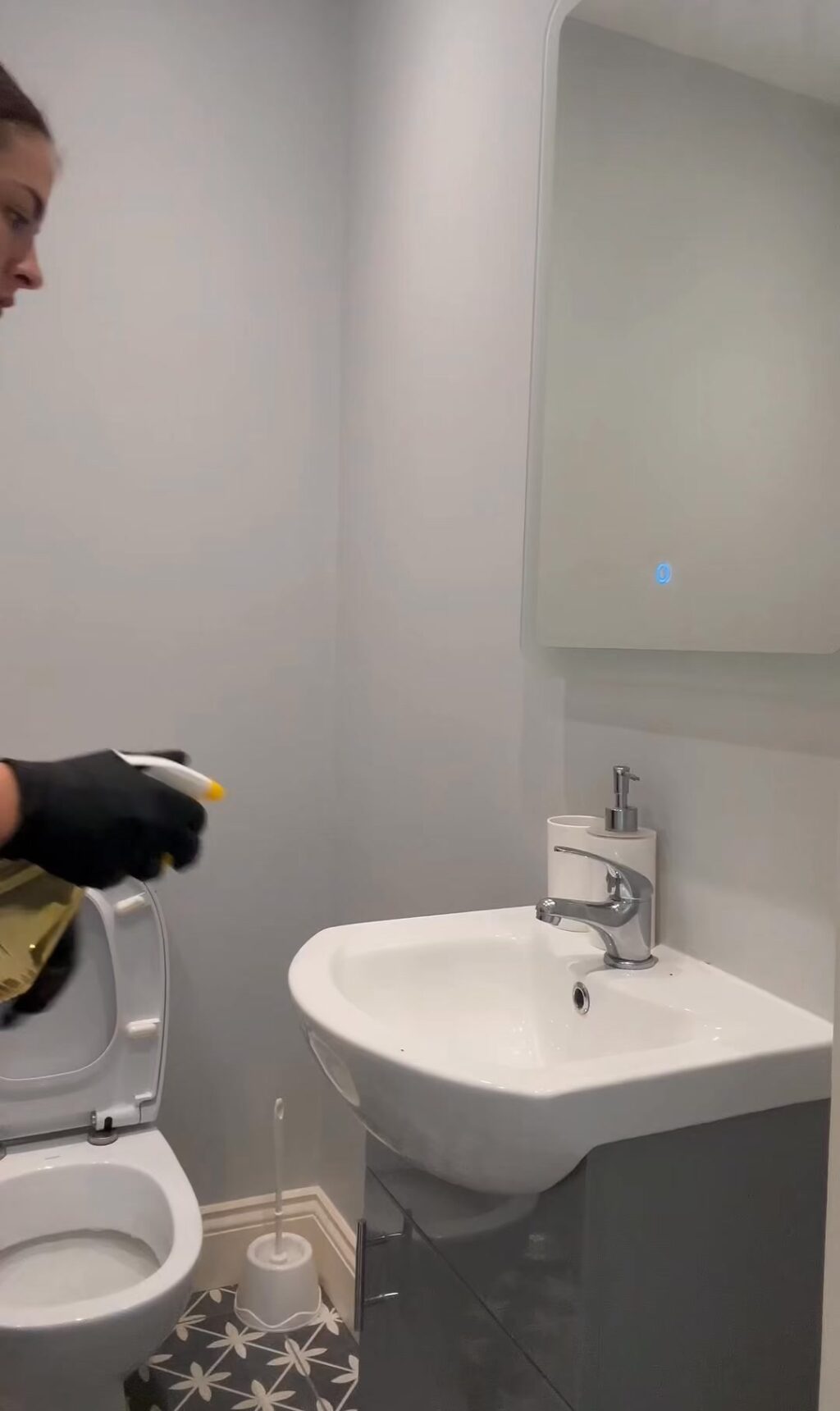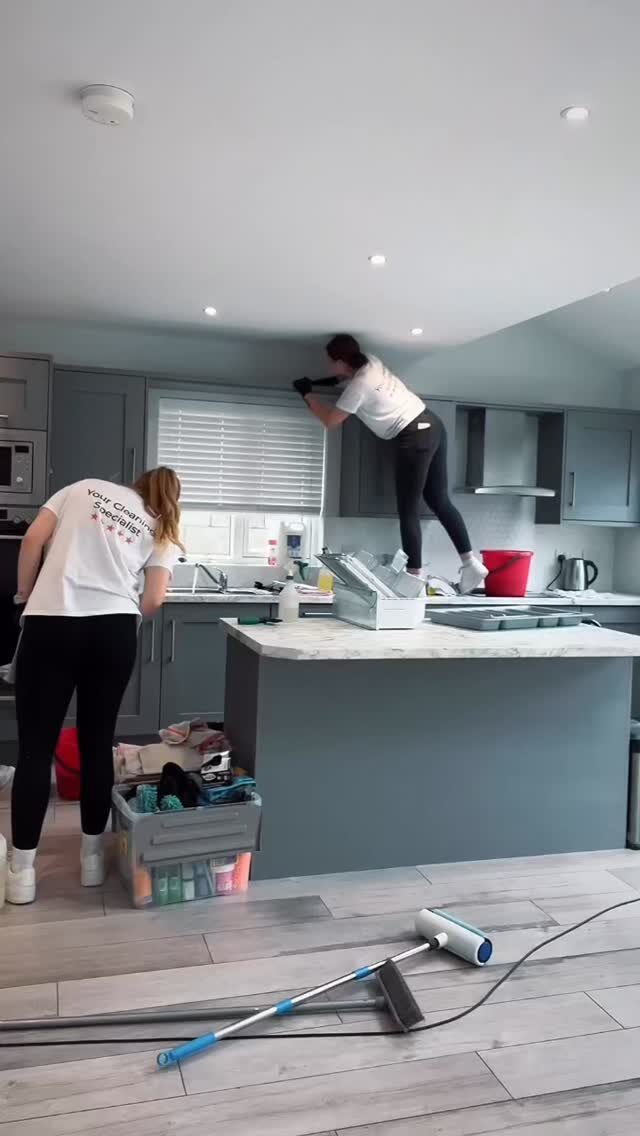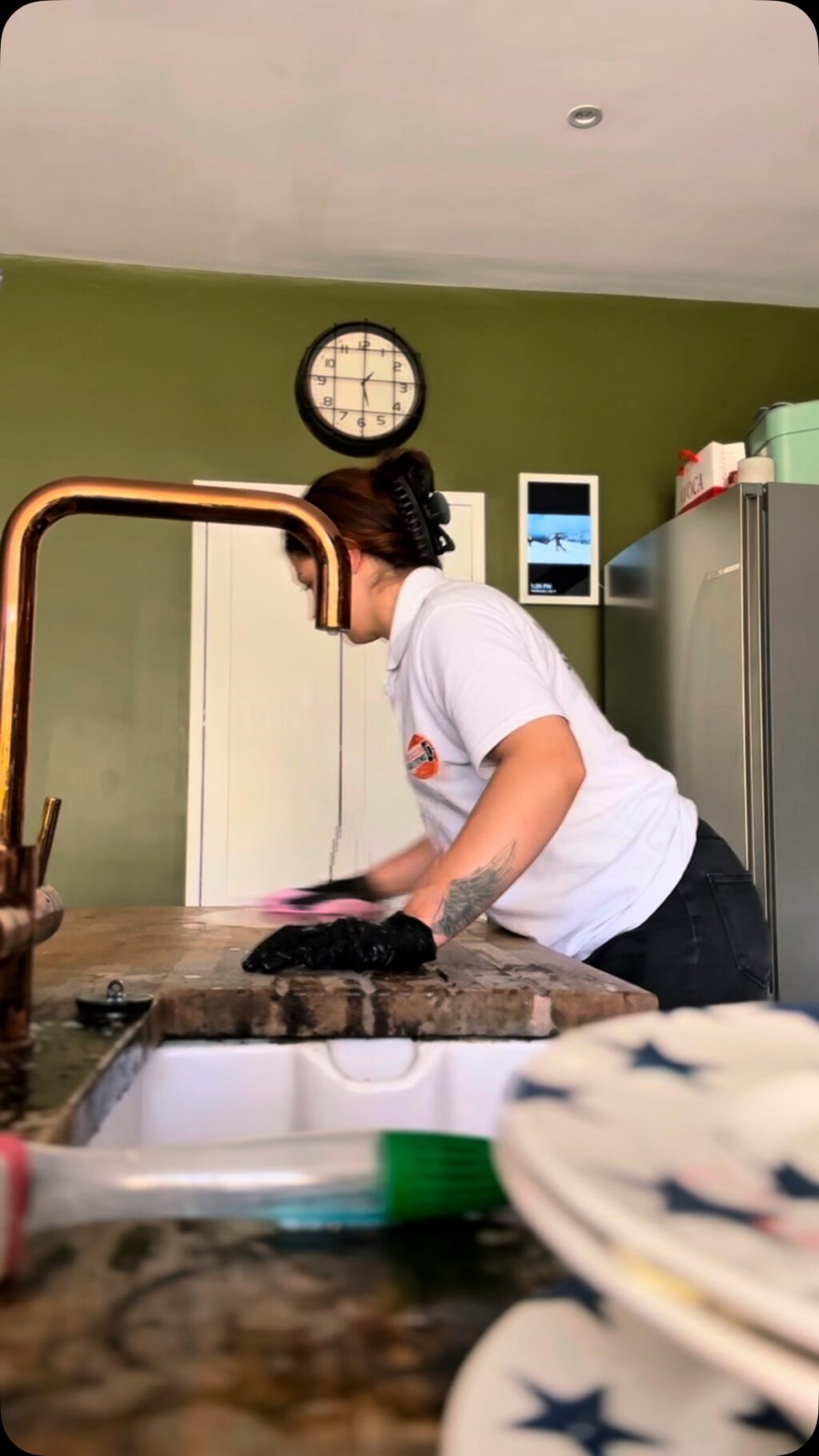
Construction site cabins are often treated as temporary spaces, but in reality they function as full working offices on active sites. Site managers, engineers, and supervisors use these cabins daily for meetings, planning, documentation, and compliance checks. When cleaning is overlooked, these spaces can quickly become unhygienic, uncomfortable, and unprofessional — especially in environments where dust, mud, and debris are constantly brought in from live works.
Construction site cabin office cleaning focuses on maintaining hygiene and order in these high-use spaces while construction activity is ongoing. Unlike post-build or handover cleaning, this type of cleaning must account for constant foot traffic, shared workstations, welfare use, and ongoing exposure to site contaminants. Poor cleaning standards in cabin offices don’t just affect appearance — they can contribute to health issues, low morale, and a negative impression during audits or client visits.
Because site cabins sit at the centre of day-to-day site operations, keeping them clean is not optional. Proper cleaning helps support staff wellbeing, maintains professional standards, and ensures that active construction sites operate efficiently without unnecessary hygiene risks.
What Is Construction Site Cabin Office Cleaning?
Construction site cabin office cleaning is the ongoing cleaning and hygiene maintenance of temporary offices and welfare cabins used on active construction sites. These cabins are not just storage units or break rooms — they function as operational offices where planning, coordination, meetings, and administrative work take place every day.
Unlike cleaning permanent offices, cabin office cleaning must account for the realities of an active site. Dust, mud, and debris are constantly tracked in from work areas, while shared desks, kitchens, and welfare facilities are used by multiple people throughout the day. This creates a unique environment where standard office cleaning methods are often not enough.
Construction site cabin office cleaning focuses on keeping these spaces clean, hygienic, and usable without disrupting site activity. It involves regular attention to workstations, floors, shared touchpoints, kitchens, and welfare areas, ensuring that the office environment remains safe and professional despite ongoing construction work around it.
This type of cleaning is part of active construction site cleaning, not a one-off service. It supports daily site operations by reducing hygiene risks, improving comfort for staff, and maintaining a level of organisation and cleanliness that reflects how critical these spaces are to site management.
Why Site Cabin Offices Require Regular Cleaning
Site cabin offices operate in conditions that are very different from traditional workplaces. They sit at the centre of active construction sites, meaning dirt, dust, and contaminants are constantly introduced into spaces that are used for planning, meetings, and daily administration. Without regular cleaning, these environments can deteriorate quickly.
One of the main reasons regular cleaning is essential is constant foot traffic. Site staff move between work areas and cabins throughout the day, bringing dust, mud, and debris inside. Over time, this buildup affects air quality, surfaces, and shared facilities, making the office uncomfortable and unhygienic.
There are also increased hygiene risks due to shared use. Site cabin offices typically include desks, meeting tables, kitchens, and welfare areas that are used by multiple people. When these areas are not cleaned consistently, bacteria and germs can spread easily, increasing the risk of illness on site.
Key reasons site cabin offices need regular cleaning include:
- High levels of construction dust entering office spaces from active works
- Shared workstations and facilities, increasing cross-contamination risks
- Welfare and kitchen areas being used throughout the day
- Professional standards, especially during client visits, audits, or inspections
Regular construction site cabin office cleaning helps control these risks while supporting a healthier, more organised working environment. Clean cabins improve comfort for staff, reduce hygiene concerns, and help maintain a professional atmosphere on even the busiest sites.
Maintaining clean and well-managed site facilities aligns with industry expectations for professional site operations, as outlined by the Construction Industry Federation.
Common Hygiene Risks in Construction Site Cabins
Construction site cabins face hygiene challenges that don’t exist in standard offices. The combination of active works, shared facilities, and temporary structures creates conditions where cleanliness can decline quickly if not managed properly.
One of the biggest issues is cross-contamination. Dust, dirt, and debris from live construction areas are easily transferred into office spaces on clothing and footwear. Over time, this contamination spreads across desks, floors, seating, and shared equipment, affecting both hygiene and comfort.
Shared welfare facilities also increase risk. Kitchens, canteens, and toilets within site cabins are often used continuously throughout the day, making them high-risk areas for bacteria buildup when cleaning is inconsistent.
Common hygiene risks in site cabins include:
- Dust transfer from active works, settling on desks, equipment, and floors
- Shared desks and meeting areas, increasing germ transmission
- Kitchen and canteen surfaces, where poor hygiene can affect staff health
- Kitchen and canteen surfaces, where poor hygiene can affect staff health
- Poor air quality, caused by dust accumulation in enclosed spaces
When these risks are not addressed, site cabin offices can quickly become uncomfortable, unhygienic, and unprofessional. Regular, structured cleaning helps control contamination and ensures cabin offices remain safe, usable spaces throughout the life of the project.
What Does Construction Site Cabin Office Include?
Construction site cabin office cleaning focuses on maintaining hygiene and usability in spaces that are in constant use throughout an active build. Because these cabins function as working offices and welfare areas, cleaning needs to be consistent, practical, and adapted to site conditions.
A typical construction site cabin office cleaning routine includes:
- Desks and workstations, cleaned to remove dust, dirt, and residue brought in from site activities
- Desks and workstations, cleaned to remove dust, dirt, and residue brought in from site activities
- Meeting tables and shared surfaces, where paperwork, tools, and devices are frequently used
- Floors and entrance areas, addressing mud, dust, and debris tracked in from the site
- Kitchen and canteen areas, including worktops, sinks, appliances, and eating surfaces
- Bins and waste areas, emptied and sanitised to prevent odours and pest issues
- High-touch points, such as door handles, light switches, and appliance controls
The goal is not to make the cabin look “showroom clean,” but to keep it hygienic, organised, and comfortable for daily use. Proper construction site cabin office cleaning supports staff wellbeing, reduces hygiene risks, and helps site operations run smoothly even in challenging conditions.
While these cabins operate differently from traditional workplaces, they still require a structured approach similar to office cleaning to maintain hygiene and organisation.
How Often Should Construction Site Cabin Offices Be Cleaned?
The frequency of construction site cabin office cleaning depends largely on how the site is operating and how many people are using the cabins each day. On busy sites with multiple trades, high footfall, and shared welfare facilities, cabins can become dirty very quickly if cleaning is not carried out regularly.
For most active construction sites, cabin offices benefit from at least weekly cleaning, with more frequent cleaning required for kitchens, toilets, and high-touch areas. Sites with larger teams, long working hours, or frequent client and engineer visits may require cleaning several times per week to maintain acceptable hygiene and presentation standards.
Cleaning schedules should also adapt as the project progresses. Early-stage sites may need lighter but consistent cleaning, while peak construction phases often demand more frequent attention due to increased dust and traffic. By adjusting cleaning frequency to match site activity, site managers can prevent hygiene issues from building up and avoid reactive cleaning when problems become visible.
Regular, planned cleaning is far more effective than occasional deep cleans. It helps maintain a comfortable working environment, reduces health risks, and ensures site cabin offices remain fit for daily use throughout the project lifecycle.
Who Is Responsible for Cleaning Construction Site Cabins?
Responsibility for cleaning construction site cabins typically sits with the main contractor or site management team. While cabins are temporary structures, they are still working environments used daily for planning, meetings, and welfare, which means hygiene standards cannot be ignored.
In practice, responsibility is often unclear. Some sites rely on staff to clean shared areas themselves, while others attempt ad-hoc arrangements that quickly become inconsistent. This usually leads to gaps in cleaning, particularly in shared offices, kitchens, and welfare facilities, where no single person feels accountable.
To avoid these issues, many contractors include cabin office cleaning as part of a structured construction site cleaning plan. By assigning responsibility clearly and using professional cleaning support, site managers can ensure standards are maintained consistently without adding extra tasks to already busy teams.
Clear responsibility helps prevent hygiene problems, reduces complaints from staff, and ensures site cabins remain safe, professional spaces throughout the project. It also allows site management to focus on delivery and compliance rather than reactive cleaning issues.
How Cabin Office Cleaning Fits Into Construction Site Cleaning
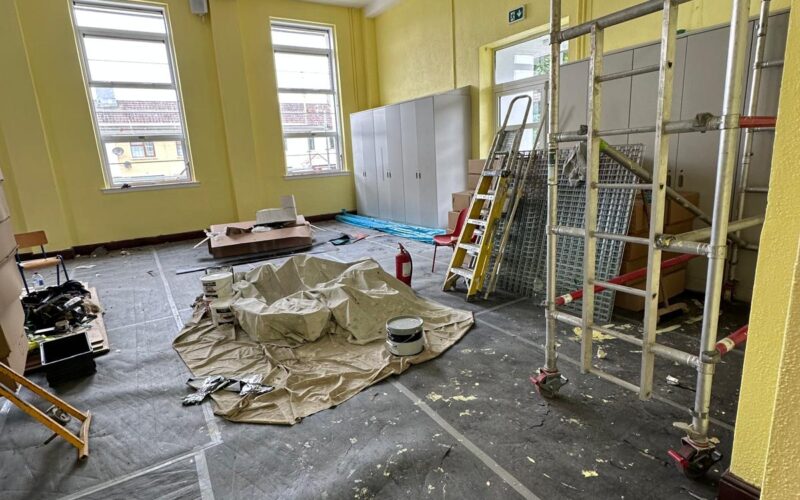
Construction site cabin office cleaning is an essential part of ongoing construction site cleaning, not a separate or optional task. While much of the focus on construction sites is placed on work areas and external cleanliness, cabin offices sit at the centre of daily site operations and directly affect how the site functions.
Active construction site cleaning is about maintaining control as work progresses. This includes keeping welfare facilities usable, preventing the spread of dust and contaminants, and ensuring that management spaces remain organised and hygienic. Cabin offices bridge the gap between the site environment and administrative work, making them one of the most important areas to maintain consistently.
When cabin office cleaning is planned as part of a wider construction site cleaning approach, standards are easier to maintain across the site as a whole. Dust from work areas is less likely to spread, hygiene risks are reduced, and both staff and visitors experience a more professional environment. Treating cabin offices as part of the overall site cleaning strategy helps ensure cleanliness supports productivity, compliance, and day-to-day site management rather than becoming a recurring problem.
Common Problems Caused by Poor Cabin Office Cleaning
Poor cabin office cleaning can create a range of issues that affect both staff wellbeing and site operations. When hygiene is neglected, cabins can quickly become uncomfortable working environments, especially on busy sites where multiple trades share the same facilities throughout the day.
One of the most common problems is increased illness among site staff. Shared desks, kitchens, and welfare areas that are not cleaned properly allow germs and bacteria to spread easily, leading to more sick days and reduced productivity. Over time, this can disrupt site schedules and place additional pressure on teams.
Poor cleaning also affects professionalism. Site cabins are often the first spaces seen by clients, engineers, and inspectors during visits. Dirty floors, cluttered desks, or unhygienic welfare areas can give the impression of poor site management, even when construction work itself is well organised. This can influence perceptions during audits, inspections, or progress meetings.
In addition, neglecting regular cleaning often leads to reactive deep cleaning when conditions become unacceptable. This is usually more disruptive and costly than maintaining a consistent cleaning routine. By addressing cabin office cleaning properly from the start, site managers can avoid these recurring problems and maintain a safer, more efficient working environment.
Similar hygiene and presentation issues can also arise in shared environments, where multiple users rely on consistent cleaning standards.
FAQs: Construction Site Cabin Office Cleaning
FAQs: Construction Site Cabin Office Cleaning
Construction site cabin office cleaning is the regular cleaning and hygiene maintenance of temporary offices and welfare cabins used on active construction sites. It focuses on keeping shared workspaces, kitchens, and welfare areas clean and usable during ongoing works.
What is construction site cabin office cleaning?
Most active sites require at least weekly cleaning, with higher-use areas such as kitchens, toilets, and shared desks needing more frequent attention depending on footfall and site size.
How often should site cabin offices be cleaned?
Yes. Site cabins often include offices, canteens, and toilets, which fall under welfare facilities and require appropriate hygiene standards to support staff health and comfort.
Are site cabins considered welfare facilities?
Yes. Dirty shared spaces can contribute to the spread of illness, reduced morale, and uncomfortable working conditions, particularly where multiple trades use the same facilities.
Can poor cabin office cleaning affect staff health?
Yes. Cabin office cleaning is a key part of ongoing construction site cleaning, helping maintain hygiene and organisation while works are still in progress.
Conclusion
Construction site cabin office cleaning is often overlooked, but it plays a critical role in maintaining hygiene, organisation, and professionalism on active construction sites. These cabins are not just temporary structures — they are working environments used daily for planning, coordination, and welfare, and their condition directly affects how a site operates.
By treating cabin office cleaning as part of a structured construction site cleaning approach, site managers can reduce hygiene risks, support staff wellbeing, and maintain a professional standard throughout the project. Consistent cleaning helps prevent avoidable issues, improves day-to-day comfort, and ensures that site offices remain fit for purpose from the early stages of construction through to completion.