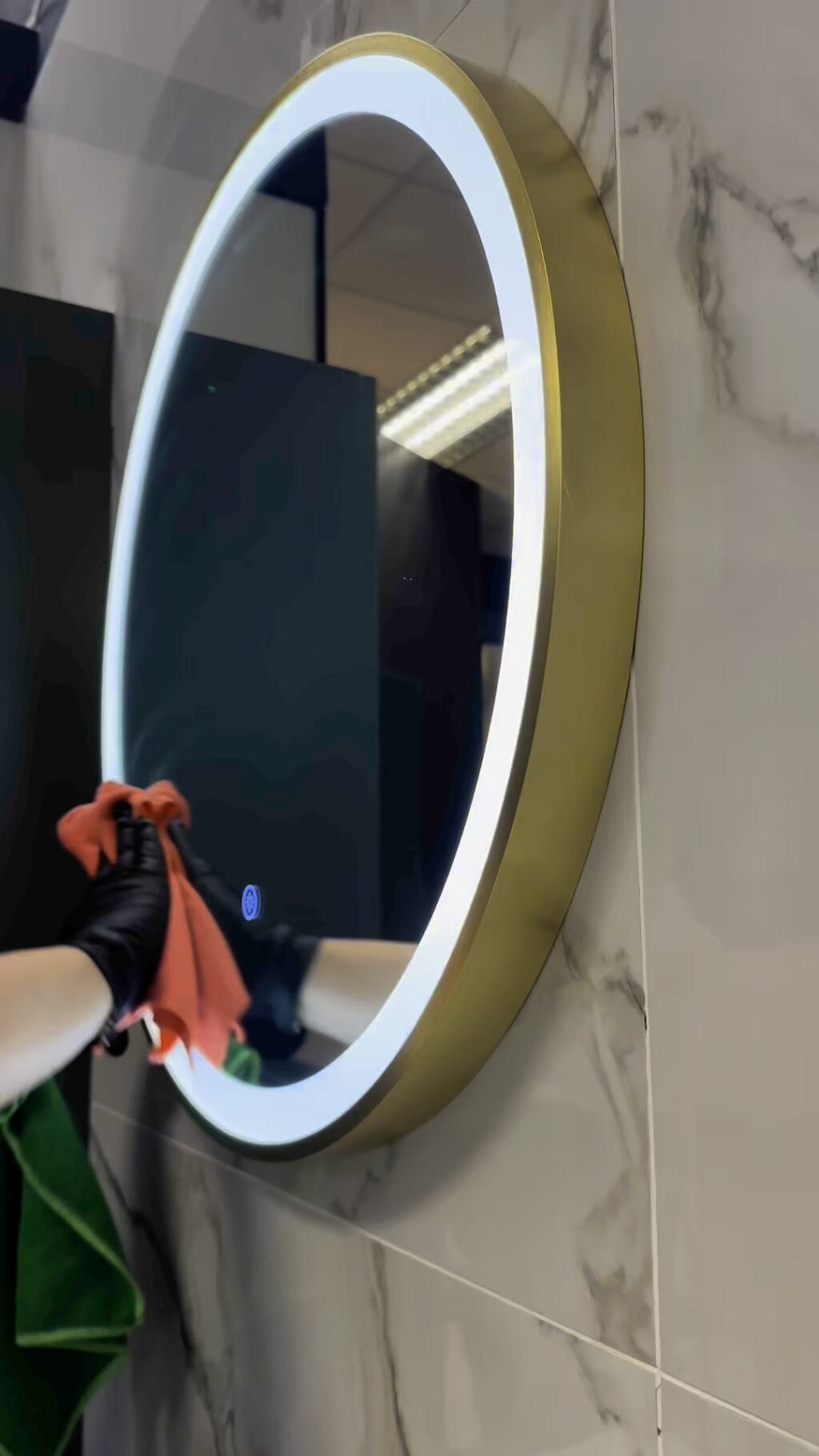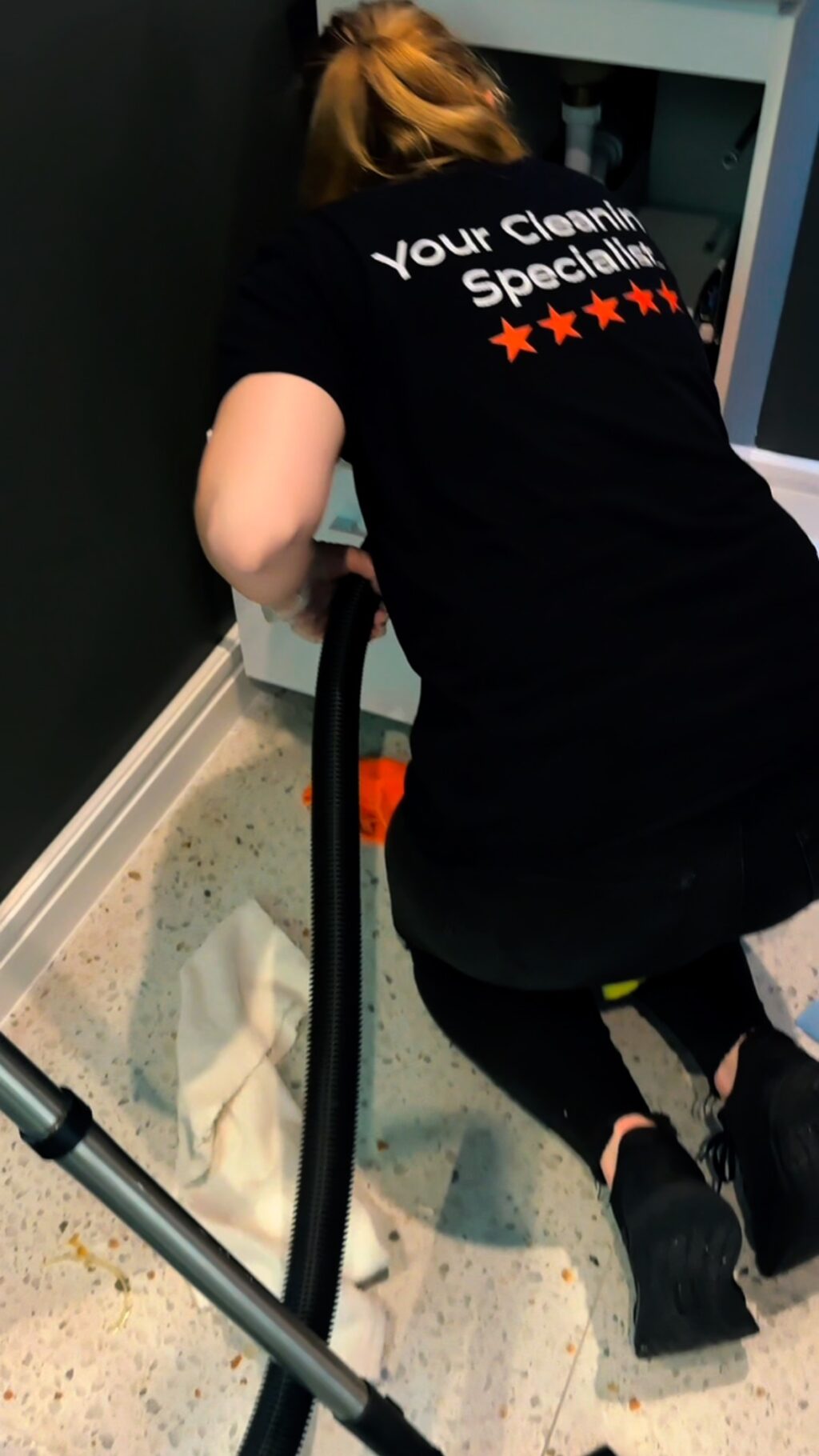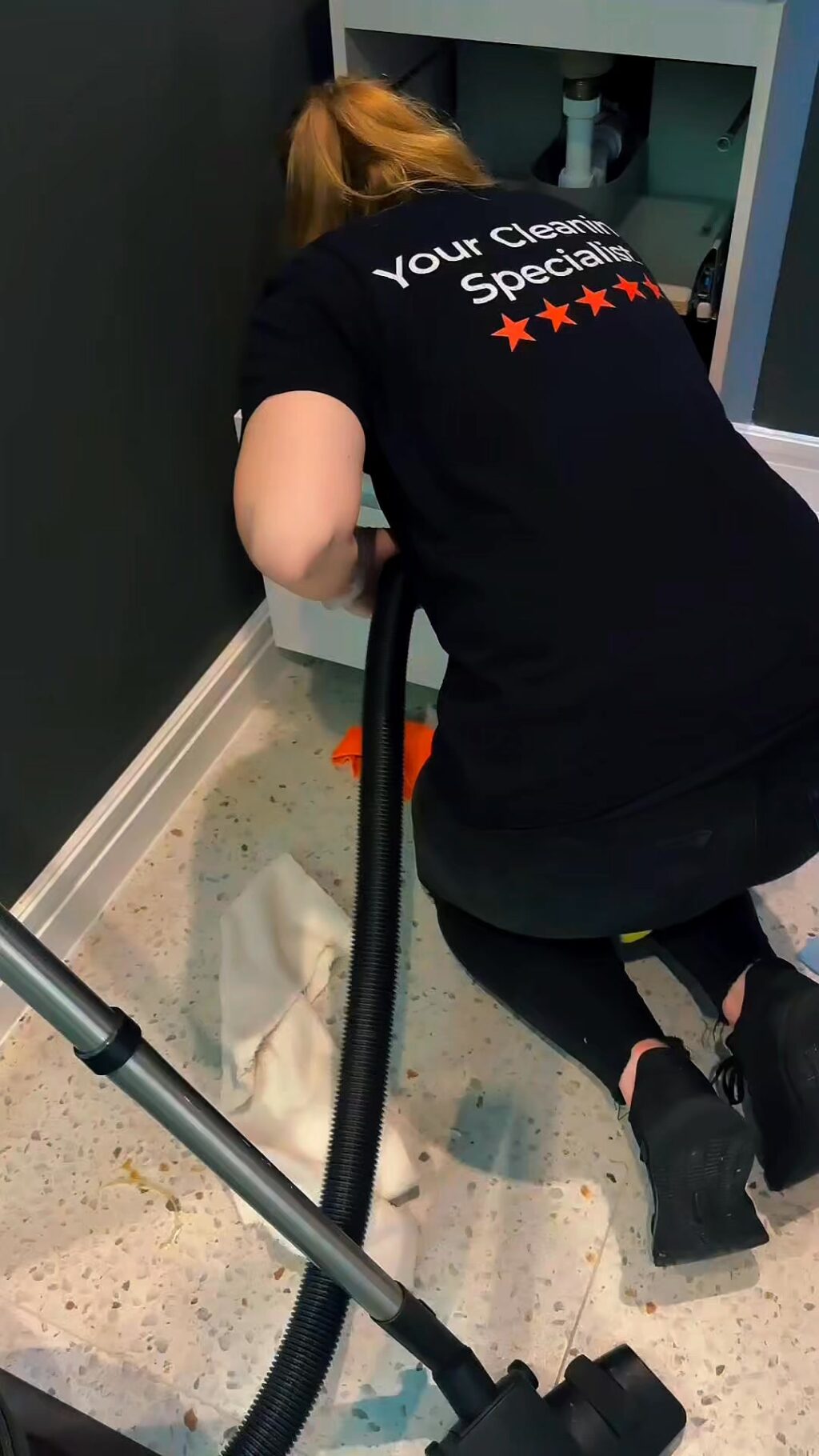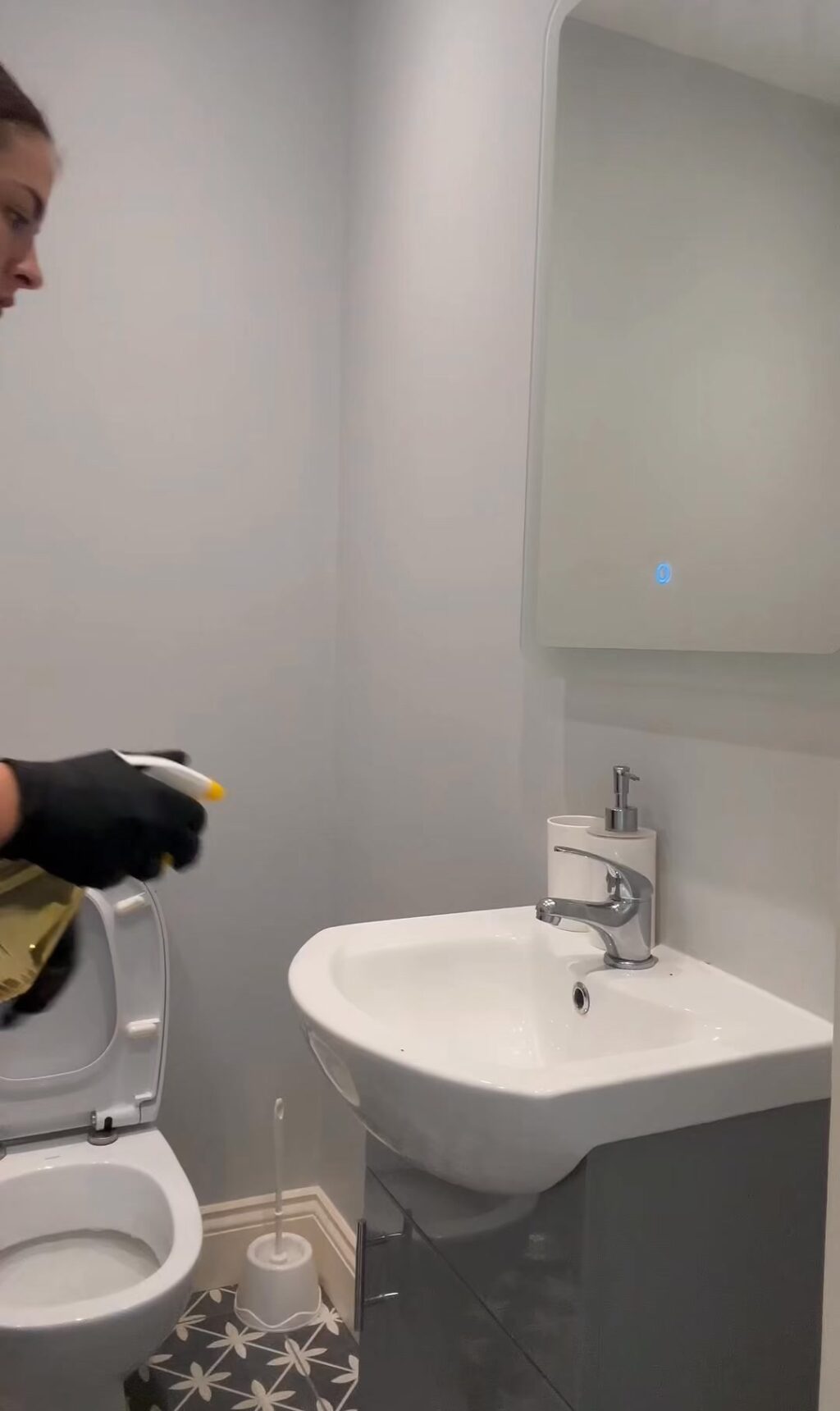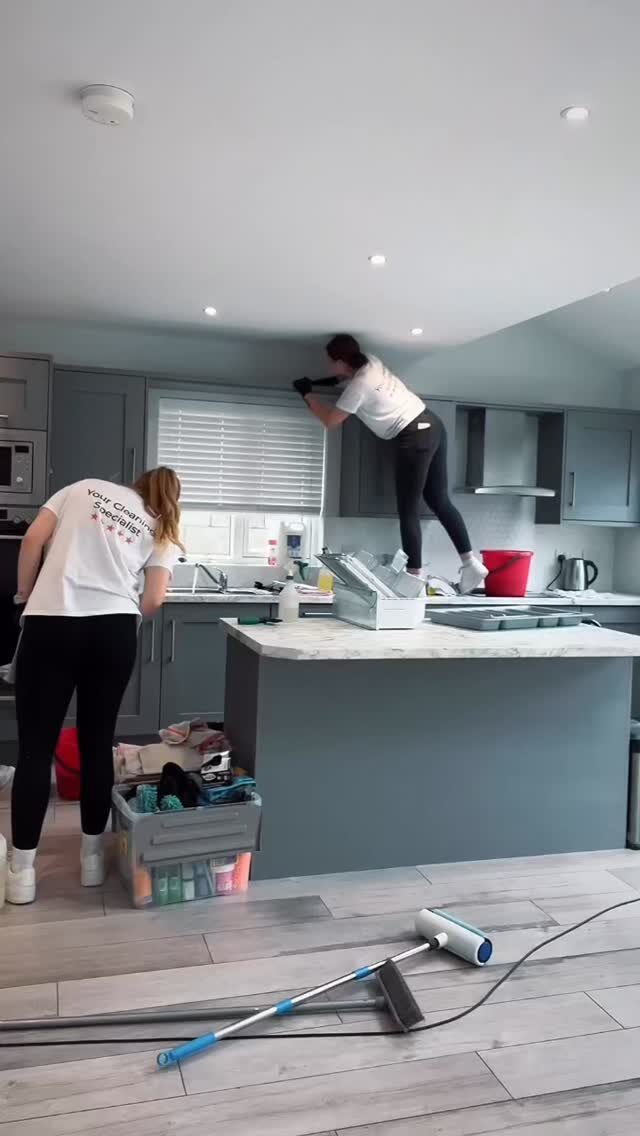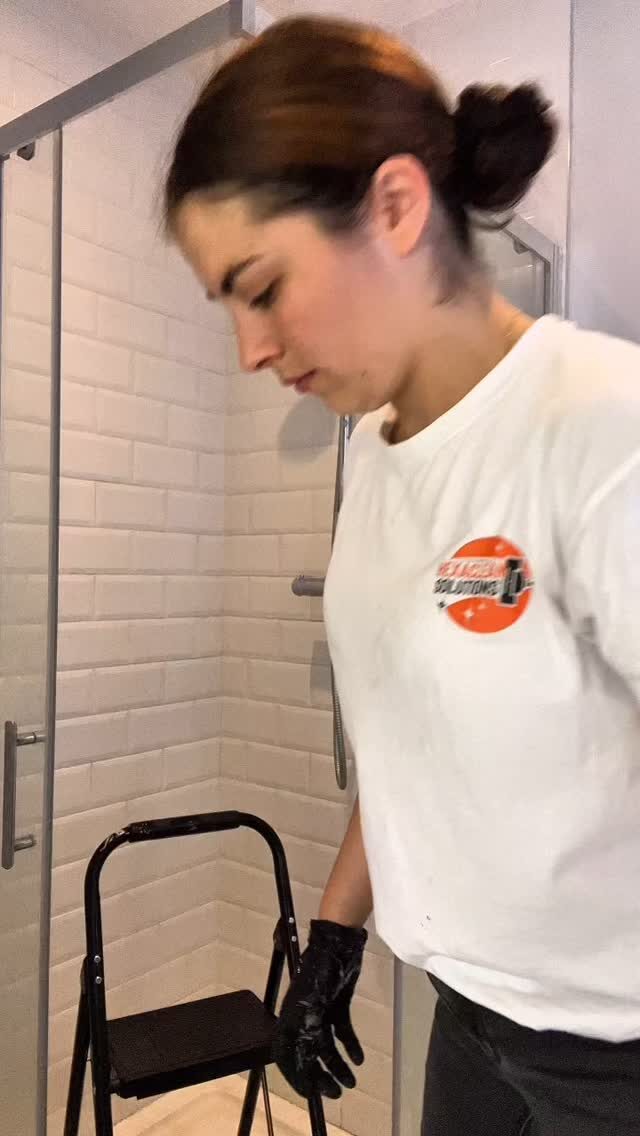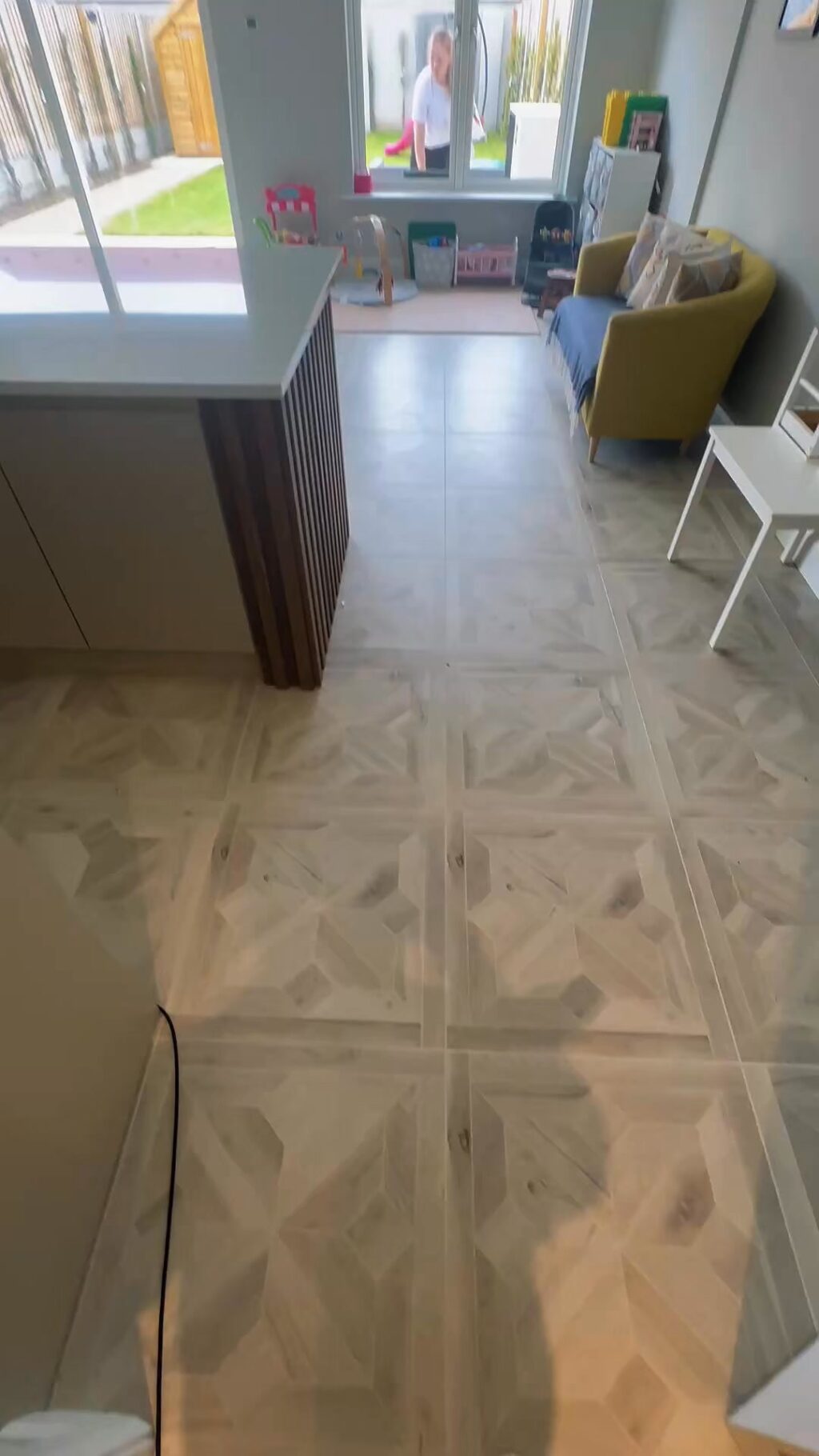
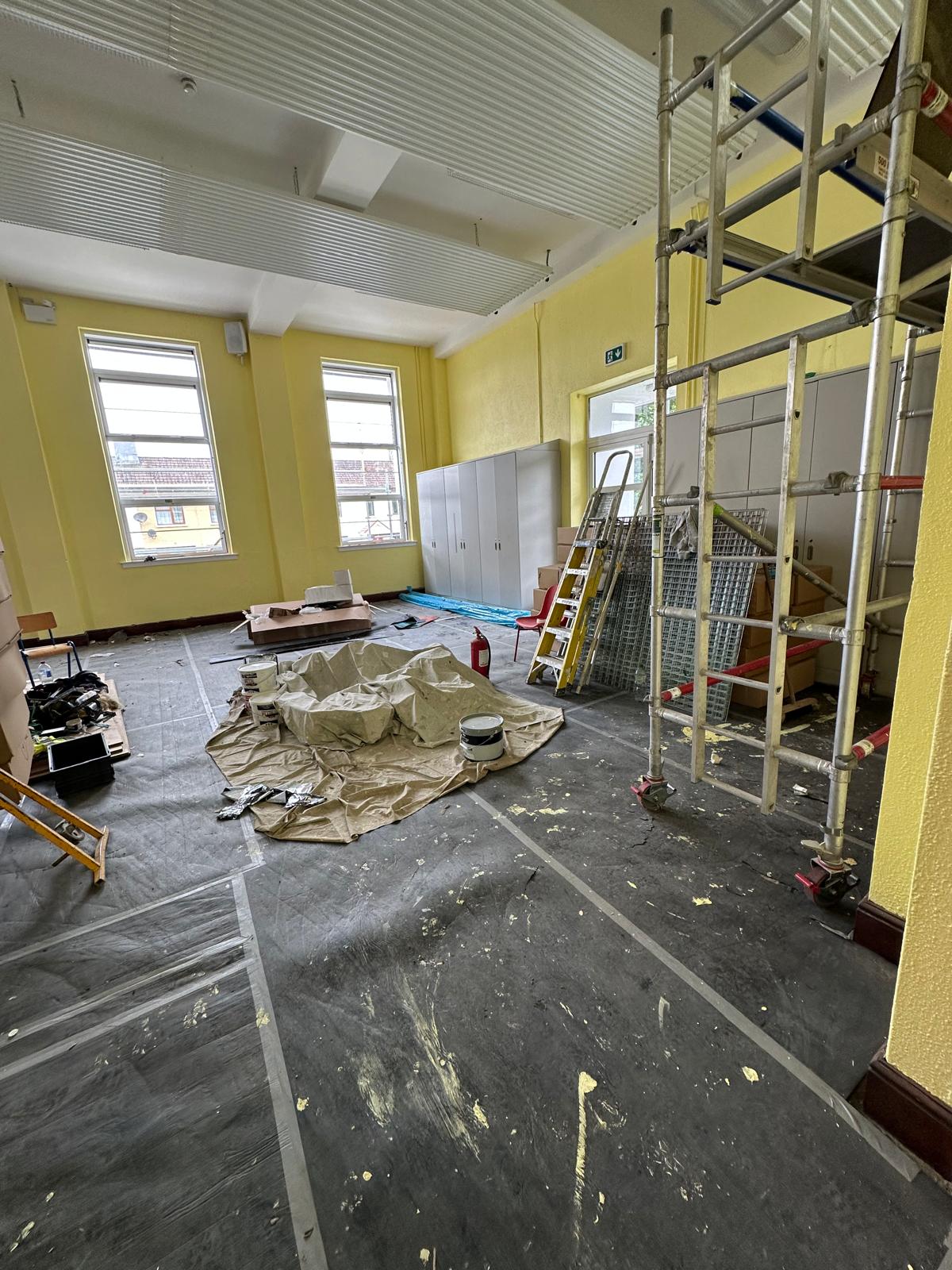
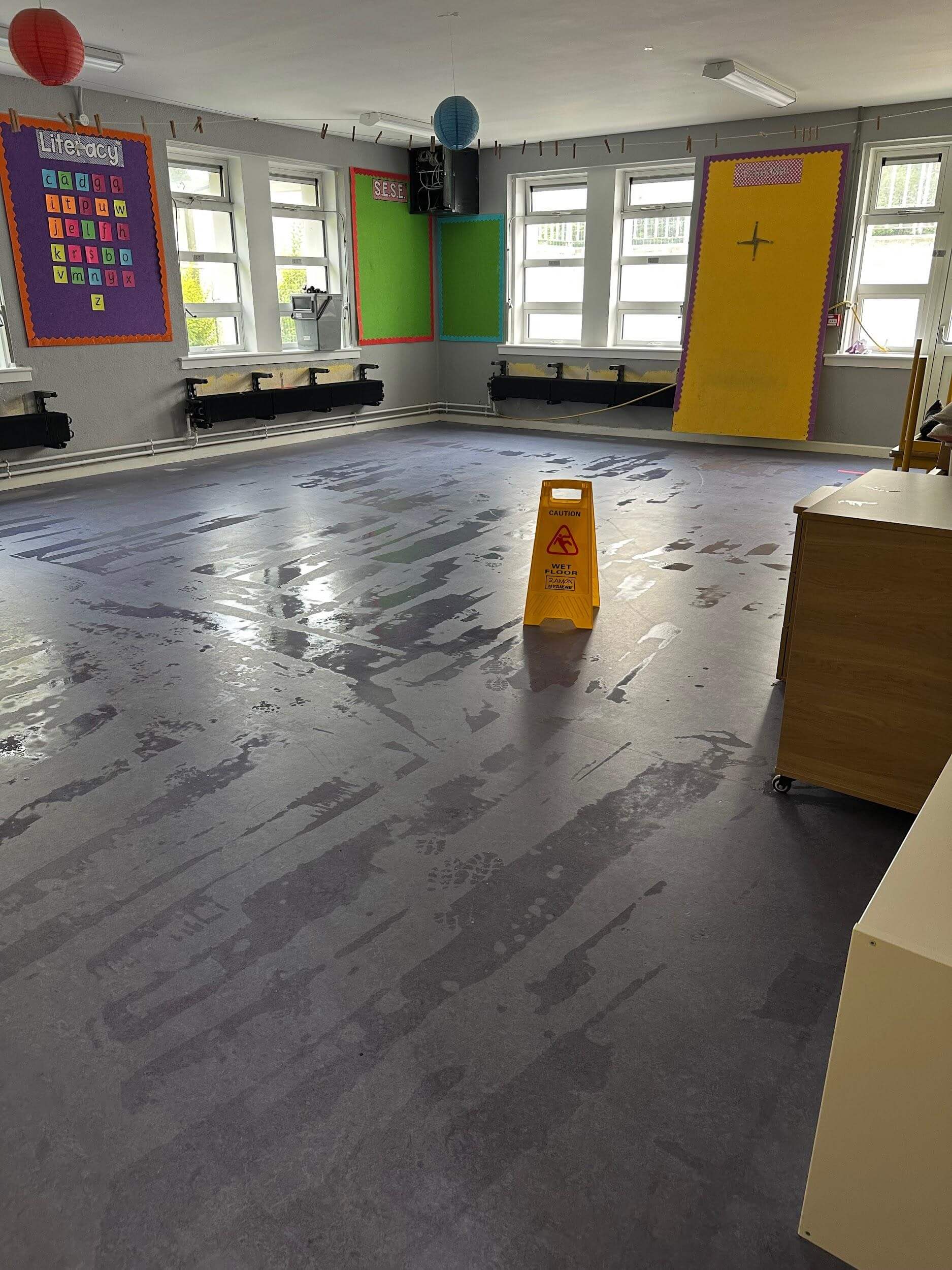
After builders cleaning and deep cleaning are often confused, particularly after renovation work or when a property has been left in poor condition. Both services go far beyond regular cleaning, but they are designed to solve very different problems, which is why many people are unsure which one they actually need.
Choosing the wrong type of cleaning can lead to wasted money, disappointing results, or the false impression that the job wasn’t done properly. Construction dust, paint residue, and renovation debris behave very differently from everyday dirt and hygiene-related buildup, and they require a different approach to be removed safely and effectively.
This guide clearly explains the difference between after builders cleaning and deep cleaning, what each service is intended for, and how to decide which option is right based on the condition of the property — not guesswork or assumptions.
What Is After Builders Cleaning?
After builders cleaning is a specialist cleaning process carried out after construction, renovation, or fit-out work has been completed. Its purpose is not general tidying or hygiene cleaning, but the safe and thorough removal of construction-related dust, residue, and debris that remain once trades have finished and tools are gone.
This type of cleaning focuses on materials and contamination created during building work, such as fine plaster and drywall dust, cement residue, grout haze, paint splashes, silicone marks, adhesives, and leftover packaging or fixings. These materials behave differently from everyday dirt — they are often abrasive, airborne, and capable of settling into areas that standard cleaning does not normally reach.
After builders cleaning typically involves detailed work on:
- Floors, skirting boards, and newly laid surfaces
- Windows, frames, tracks, and internal glass
- Doors, handles, switches, sockets, and vents
- Newly installed kitchens, bathrooms, and joinery
It is usually required before a property is occupied, handed over, inspected, or furnished, whether the project involved a full new build, a renovation, an extension, or a commercial fit-out. The goal is to leave the space dust-free, residue-free, and safe to use, without damaging newly finished surfaces.
What Is Deep Cleaning?
Deep cleaning is an intensive hygiene-focused cleaning service designed for lived-in or previously occupied spaces. Its purpose is to remove built-up dirt, grease, limescale, bacteria, and grime that accumulate over time through everyday use — not construction residue.
Unlike after builders cleaning, deep cleaning concentrates on areas affected by daily living. This includes kitchens, bathrooms, floors, and high-touch surfaces where normal cleaning no longer delivers noticeable results. It goes beyond routine maintenance by targeting ingrained dirt that has settled into surfaces over months or years.
Deep cleaning typically focuses on:
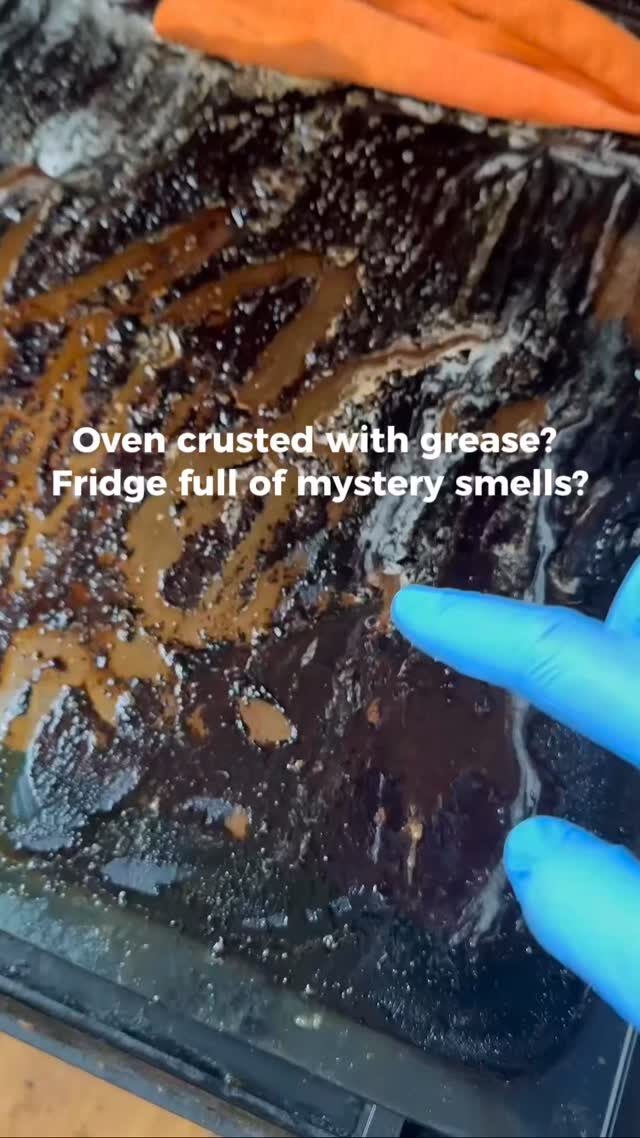
- Grease buildup in kitchens and appliances
- Limescale, soap residue, and staining in bathrooms
- Grime on floors, tiles, and skirting boards
- Dirt in corners, edges, and hard-to-reach areas
This service is commonly used for end-of-tenancy cleaning, preparing a home for sale or move-in, resetting hygiene in long-neglected properties, or periodic deep hygiene refreshes. While deep cleaning is thorough and labour-intensive, it is not designed to handle fine construction dust or post-build residue, which require a different cleaning approach.
Deep cleaning is an intensive hygiene-focused deep cleaning service designed for lived-in or previously occupied spaces.
Key Differences Between After Builders Cleaning and Deep Cleaning
Although both services are often described as “intensive,” they are designed for different stages of a property and deal with different types of contamination. The key distinction comes down to what kind of dirt is present, where it sits, and how it must be removed without causing damage.
Below is a clear breakdown of how after builders cleaning and deep cleaning differ in practice:
| Area of Comparison | After Builders Cleaning | Deep Cleaning |
|---|---|---|
| Type of dirt | Fine construction dust, plaster residue, paint splashes, grout haze, adhesives | Grease, limescale, soap residue, bacteria, ingrained household grime |
| Stage of property | Newly built, renovated, or refurbished spaces | Lived-in or previously occupied properties |
| Risk to surfaces | High — new finishes can be scratched or damaged if cleaned incorrectly | Lower — surfaces are already in use and more tolerant of standard methods |
| Cleaning focus | Dust removal, residue elimination, surface protection | Hygiene reset, deep soil removal, detailing |
| Equipment required | Specialist vacuums, fine-dust filtration, surface-safe tools | Degreasers, descalers, agitation tools, detailing equipment |
| Skill level | Requires post-construction experience and material awareness | Requires strong hygiene and detailing expertise |
Which Cleaning Service Do You Actually Need?
Choosing the right service depends on the condition of the property, not how dirty it looks at first glance. The most important factor is what caused the mess, not how much of it there is.
You typically need after builders cleaning if the property has recently undergone building or renovation work and has not been occupied since. Even if the space looks finished, fine dust and construction residue are usually present on surfaces, in the air, and in areas that are not immediately visible. This applies to new builds, extensions, refurbishments, and commercial fit-outs preparing for handover or first use.
You are more likely to need deep cleaning if the property has been lived in and dirt has accumulated gradually over time. This includes homes that have not been cleaned thoroughly for a long period, end-of-tenancy situations, or properties being prepared for sale or re-occupation where hygiene and ingrained grime are the main concerns.
In some cases, both services may be required, particularly where renovation work has taken place in an already occupied property. In these situations, professionals assess whether construction residue, hygiene buildup, or a combination of both is present before deciding on the correct approach.
On larger projects, such as commercial fit-outs or phased developments, this type of work often falls under construction site cleaning, where cleaning is carried out alongside ongoing works or before formal handover.
Can Deep Cleaning Replace After Builders Cleaning?
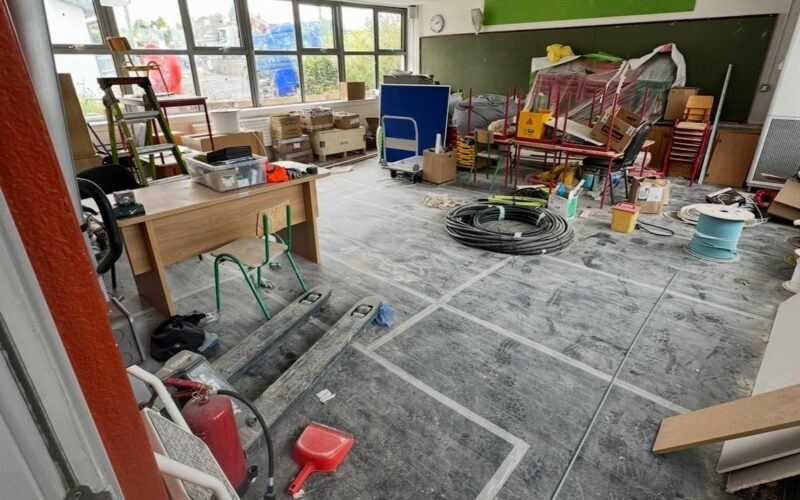
In most situations, deep cleaning cannot replace after builders cleaning when construction or renovation work has taken place. While deep cleaning is thorough, it is designed to address hygiene-related dirt, not the specific residue left behind by building activity.
Construction dust is finer, lighter, and more abrasive than everyday grime. It settles into areas that deep cleaning does not typically target, such as window frames, ventilation points, electrical fittings, floor joints, and newly installed fixtures. Standard deep-cleaning methods may remove visible dirt but often leave behind microscopic dust that continues to circulate and resettle after the cleaning is complete.
Relying on deep cleaning alone after building work can lead to several issues. Dust may reappear days later, newly finished surfaces can become scratched or dulled if the wrong techniques are used, and the space may still feel unfinished despite looking clean at first glance. This is why post-construction environments require a different process, equipment, and level of care than lived-in properties.
In certain cases, both services may be appropriate, particularly if renovation work was carried out in a property that was already occupied. In these situations, professionals typically complete after builders cleaning first to remove construction residue, followed by deep cleaning if hygiene buildup is also present.
Construction dust is widely recognised within the building industry as a separate issue from everyday dirt, as outlined in guidance from the Construction Industry Training Board, which highlights how fine particles behave differently on completed sites.
Why Using the Wrong Service Can Cost More in the Long Run
Choosing the wrong type of cleaning after renovation or heavy use can seem harmless at first, but it often leads to higher costs and more disruption over time. When construction residue isn’t removed properly, fine dust can continue to circulate through the property, settling back onto surfaces and requiring repeat cleaning.
Using the wrong methods or products on newly finished materials can also cause damage. Abrasive dust combined with incorrect wiping techniques can scratch glass, dull flooring, mark stainless steel, or damage fresh paintwork and joinery. In these cases, the cost isn’t just another clean — it can involve repairs, replacements, or professional restoration.
There are also practical consequences. Incomplete cleaning can delay move-ins, inspections, handovers, or final snag checks, especially on renovation projects or commercial fit-outs. What initially looks like a saving often turns into extra labour, additional cleaning visits, and lost time, all of which could have been avoided by choosing the correct service from the start.
How Professionals Decide Between the Two
Experienced cleaning professionals don’t decide between after builders cleaning and deep cleaning based on labels — they assess the condition of the property and the type of contamination present. This decision is usually made before any work begins to avoid re-cleaning or surface damage.
The first factor considered is whether the property has been occupied since building or renovation work was completed. Unoccupied spaces are far more likely to contain fine construction dust in hidden areas, while occupied properties tend to show signs of hygiene-related buildup instead.
Professionals also look closely at the type of work carried out. New builds, extensions, structural renovations, and commercial fit-outs create different levels of dust and residue compared to cosmetic upgrades. The more invasive the work, the more likely specialist post-construction cleaning is required.
Another key consideration is surface sensitivity. Newly installed flooring, tiles, glass, kitchens, bathrooms, and joinery often require specific cleaning techniques to prevent scratching or dulling. Using the wrong tools or chemicals at this stage can permanently damage finishes.
Finally, safety and access are assessed. Ventilation systems, electrical fittings, high-level areas, and tight spaces may all require specialist equipment or methods. This is why professional teams focus on assessment first, ensuring the correct service is applied from the outset rather than relying on assumptions.
FAQs: After Builders Cleaning vs Deep Cleaning
What is the difference between after builders cleaning and deep cleaning?
After builders cleaning removes construction dust, paint residue, and building debris after renovation or construction work, while deep cleaning focuses on removing built-up dirt, grease, and hygiene-related grime in lived-in properties.
Do I need after builders cleaning or deep cleaning after renovation?
If renovation or building work has taken place, after builders cleaning is usually required because fine construction dust and residue remain even if the space looks clean. Deep cleaning alone is not designed for post-construction environments.
Is deep cleaning enough after building or renovation work?
No, deep cleaning is usually not enough after building work. Construction dust is finer and more abrasive than household dirt and often settles in frames, vents, and fixtures that deep cleaning does not fully address.
When should after builders cleaning be done?
After builders cleaning should be done once all construction or renovation work is finished and before the property is occupied, furnished, inspected, or handed over.
Can after builders cleaning damage new surfaces?
When done correctly, after builders cleaning is designed to protect new surfaces. Damage usually occurs when incorrect cleaning methods or unsuitable products are used on newly installed materials.
Can both after builders cleaning and deep cleaning be needed?
Yes. In properties where renovation work was carried out in an already occupied space, after builders cleaning may be required first, followed by deep cleaning to address hygiene-related buildup.
Which cleaning service is more intensive?
Both services are intensive, but after builders cleaning typically requires more specialist handling due to fine construction dust and the risk of damaging new finishes.
Conclusion
After builders cleaning and deep cleaning are often grouped together, but they are designed for very different situations. The key difference lies in the type of dirt present and the stage the property is at. Construction and renovation work leave behind fine dust and residue that require specialist handling, while deep cleaning focuses on hygiene and ingrained dirt in lived-in spaces.
Understanding this distinction helps avoid wasted money, repeat cleaning, and disappointing results. Choosing the right service from the start ensures the property is genuinely ready for use, whether that means safe occupancy, inspection, or handover.
For properties affected by construction or renovation work, professional after builders cleaning services ensure dust, residue, and post-build contamination are removed properly and safely.