- Dublin, Ireland
- 0873 847 501
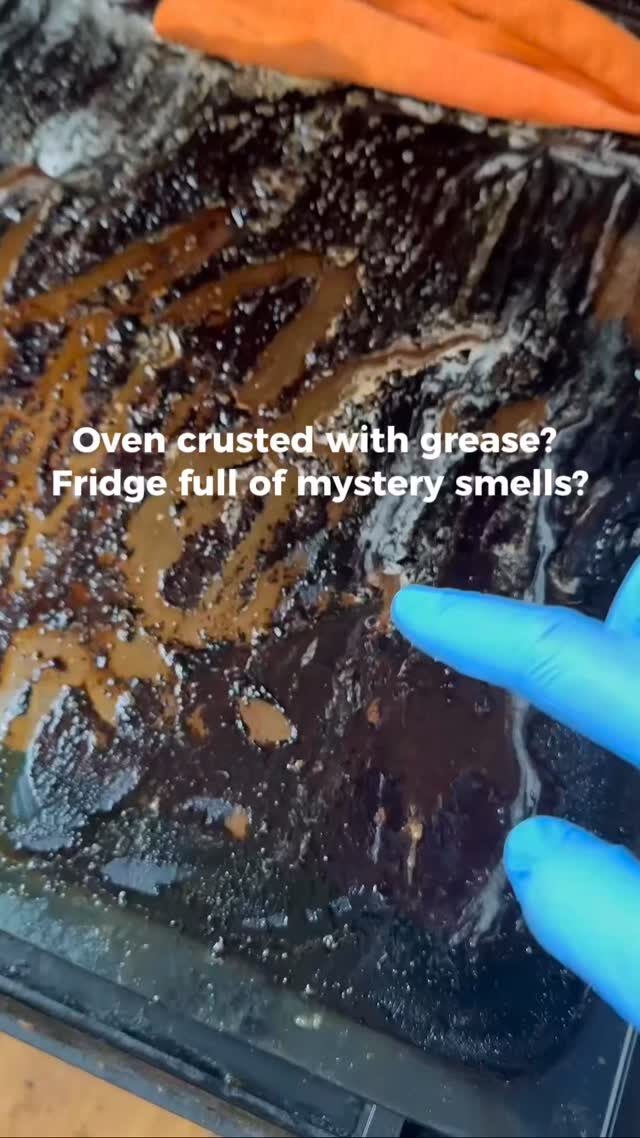
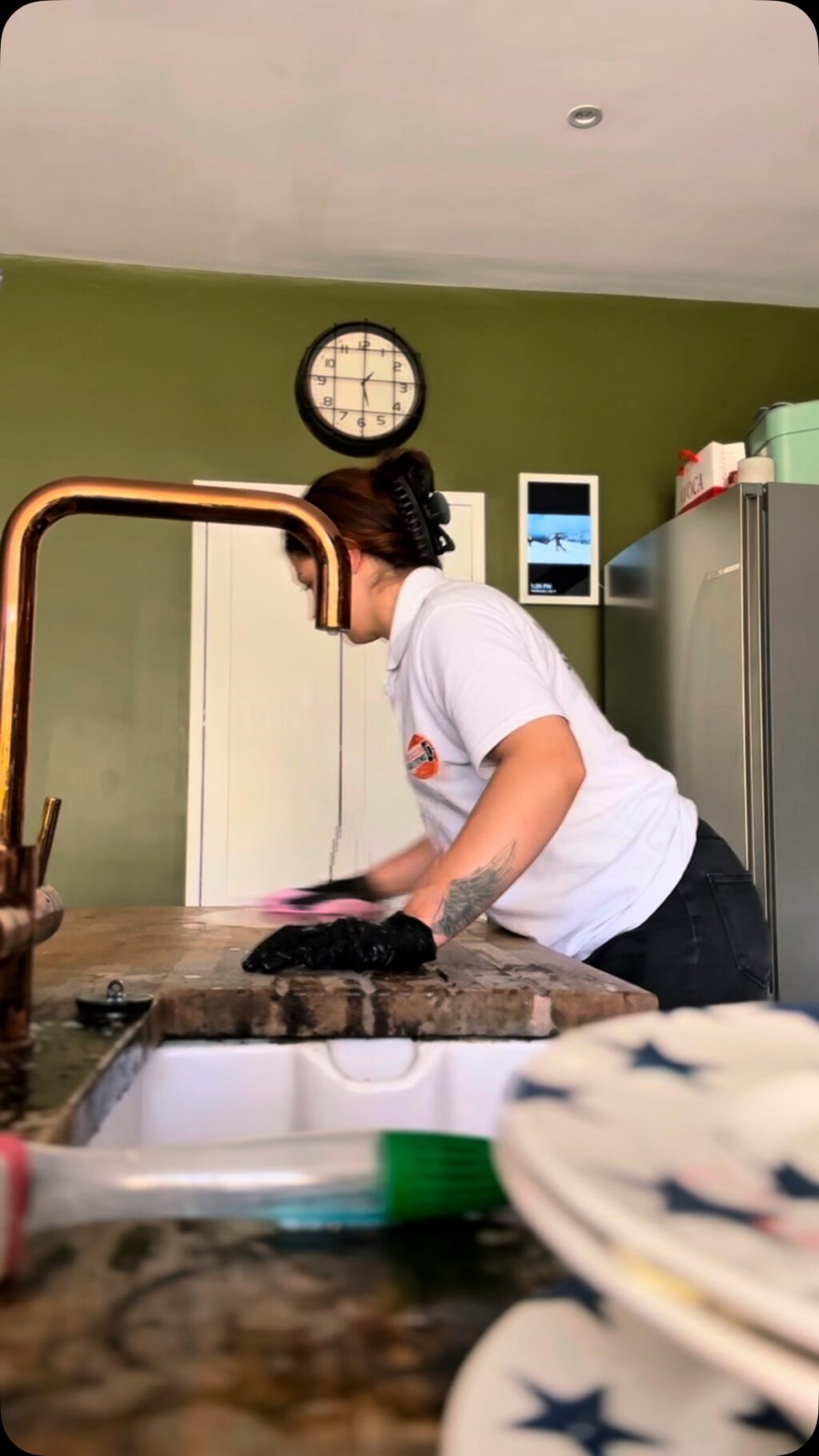
Commercial kitchens don’t get dirty in obvious ways. Even with daily cleaning in place, grease, residue, and bacteria build up gradually in high-use areas — behind equipment, along splash zones, around heat sources, and along edges that are rarely part of routine cleaning.
This becomes a problem when inspections come into play. Hygiene checks aren’t based on how a kitchen looks during service, but on how it performs against food safety standards in areas that are easy to overlook during busy shifts. Limited downtime, long operating hours, and constant use leave little room for the kind of deep intervention inspections expect.
Commercial kitchen deep cleaning exists for one reason:
to reset the environment to an inspection-ready standard when routine cleaning is no longer enough.
It’s about addressing what builds up over time, not what’s visible at a glance — so inspections, audits, and service continuity don’t hinge on missed details.

Commercial kitchen deep cleaning is a structured, inspection-focused clean carried out in food preparation environments to remove grease, residue, and hygiene risks that build up beyond daily cleaning routines.
It takes place periodically — not during service — and is designed for moments when food safety, compliance, and inspection readiness matter more than surface appearance.
Unlike routine kitchen cleaning, this type of clean is:
The goal isn’t to make a kitchen look presentable during service.
The goal is to leave it in a condition that stands up to inspection, audit, or review without raising questions.
This is not routine maintenance.
It’s a specialist reset for commercial kitchens operating under food safety regulations.
In non-food environments or lived-in spaces, a general deep cleaning service may be more appropriate than a kitchen-specific deep clean.
Commercial kitchen deep cleaning isn’t about appearance or ticking boxes.
It’s about reducing risk, maintaining standards, and keeping operations running without interruption.
This service is designed to help you achieve:
Cleaned with inspection criteria in mind, not just daily service needs.
By addressing areas commonly flagged by Environmental Health Officers.
Helping maintain safer food preparation conditions over time.
So staff can operate in an environment that supports proper hygiene standards.
Avoiding issues that can lead to closures, negative reports, or lost trade.
Knowing the kitchen has been reset to an inspection-ready standard.
Being clear about this upfront helps ensure the service matches the situation — and avoids unnecessary work or mismatched expectations.
Commercial kitchen deep cleaning is designed for food preparation environments that need to meet hygiene and inspection standards — not for routine, day-to-day cleaning during service.
This service is a good fit if the kitchen is:
In commercial kitchens, small hygiene issues don’t stay small for long. Grease, residue, and contamination risks build up quietly, often in areas that aren’t part of daily cleaning routines — until they’re flagged during an inspection or cause operational problems.
When deep cleaning is delayed or overlooked, the impact usually shows up at the worst possible time.
Hygiene inspections focus heavily on grease control, cleanliness, and food safety risks, as outlined by the Food Safety Authority of Ireland (FSAI).
A professional commercial kitchen deep clean helps prevent:
Handling deep cleaning proactively helps keep inspections predictable, kitchens compliant, and operations running without unnecessary interruption.
Similar to how Post Construction Cleaning Dublin | Site-Ready & Inspection-Ready Cleans prepares finished spaces for final sign-off, commercial kitchen deep cleaning focuses on readiness at the point standards are assessed
These services are often grouped together, but they serve very different purposes. Understanding the difference helps ensure the right type of cleaning is used at the right time — and avoids gaps that inspections tend to expose.
Commercial kitchen deep cleaning is a specialist service designed for moments when food safety, hygiene compliance, and inspection readiness matter. It focuses on grease, residue, and contamination risks that build up gradually in high-use and heat-affected areas — places that aren’t fully addressed during daily cleaning.
This type of cleaning is carried out periodically and with inspection standards in mind. The goal isn’t presentation during service, but resetting the kitchen to a condition that stands up to scrutiny during hygiene inspections, audits, or reviews. It targets what inspectors look for, not just what’s visible at a glance.
Restaurant cleaning typically covers the broader premises, including front-of-house areas and general back-of-house spaces. It supports presentation, customer experience, and overall hygiene, especially in areas visible to diners.
While important, restaurant cleaning does not replace the need for targeted deep cleaning in food preparation areas. Kitchens operate under stricter hygiene requirements, and inspection standards focus heavily on preparation zones rather than dining spaces.
For broader front-of-house and ongoing hospitality cleaning, Restaurant & Café Cleaning in Dublin covers dining areas, presentation, and day-to-day hygiene beyond the kitchen.
Routine kitchen cleaning supports day-to-day operations. It helps maintain visible cleanliness during service and ensures workspaces remain usable between shifts. This type of cleaning is essential for normal operation and is usually handled by in-house staff as part of standard procedures.
However, routine cleaning is not designed to address deeper grease build-up, hidden residue, or long-term hygiene risks. Over time, these issues can develop even in well-run kitchens, which is why daily cleaning alone is rarely enough to meet inspection-level expectations.
Worktops, prep areas, and surrounding surfaces cleaned to reduce cross-contamination risk.
Ovens, grills, fryers, ranges, and surrounding surfaces detailed where grease and residue accumulate during service.
Splashbacks, adjacent walls, and heat-affected surfaces addressed to control long-term build-up.
Cleaned with attention to edges, corners, and hard-to-reach zones often flagged during inspections.
Handles, switches, controls, and frequently used surfaces cleaned for hygiene consistency.
Shelving, units, and accessible storage areas cleaned to maintain overall food safety standards.
The aim is a kitchen that feels reset, controlled, and inspection-ready — not partially cleaned or rushed.
Commercial kitchen deep cleaning is designed to reset hygiene standards and inspection readiness — not to cover every possible task that may exist within a kitchen environment.
Some services fall outside the scope of a standard deep clean, including:
Being clear about what’s not included helps ensure expectations are aligned, inspections aren’t delayed, and the service is matched properly to the kitchen’s condition and operational needs.
Commercial kitchen deep cleaning works best when it’s planned and controlled. Rushing this stage or trying to fit it between services often leads to missed areas and unnecessary risk.
The process follows a clear structure designed around inspection readiness:
Commercial kitchens across Dublin operate under tight schedules, high output, and consistent inspection standards. From city-centre restaurants to kitchens in industrial estates and hospitality hubs, timing and access matter just as much as hygiene outcomes.
This service is available across Dublin, including Dublin city, North Dublin, West Dublin, and surrounding commercial areas where food businesses operate at pace. Local familiarity helps ensure cleaning is scheduled realistically around service hours, inspections, and downtime — rather than becoming another disruption to operations.
Regardless of location, the objective remains the same: preparing commercial kitchens so they meet inspection expectations without unnecessary stress or last-minute intervention.
At inspection level, consistency matters more than claims. Kitchens need to be cleaned to a predictable standard, at the right time, and without introducing new risks or disruption.
This service is chosen because it prioritises reliability and inspection awareness. Cleaning follows a structured approach rather than ad-hoc decisions, helping ensure the same hygiene standard is met across different kitchens and service cycles. Communication stays clear around timing and scope, which is critical when inspections, audits, or busy trading periods are involved.
Experience with commercial food environments also matters. Kitchens are cleaned with an understanding of where hygiene issues tend to be flagged, how grease builds up over time, and which areas attract the most scrutiny during inspections. The result is a deep clean that supports compliance and continuity, rather than creating last-minute pressure.
The focus is simple: handle the deep clean properly, so inspections and operations can proceed without unnecessary complications.
Arranging commercial kitchen deep cleaning shouldn’t interrupt service or create extra pressure around inspections.
The process is kept straightforward:
A brief discussion to understand the kitchen setup, operating hours, and any upcoming inspection or audit timelines.
Confirming a suitable window outside of service hours or during agreed downtime.
Agreeing the scope so the clean matches inspection expectations and hygiene risk areas.
Carrying out the deep clean at the right time, leaving the kitchen reset and inspection-ready.
This approach allows deep cleaning to fit naturally into operations — supporting compliance without disrupting day-to-day service.
The frequency depends on usage, menu type, and service volume. High-output kitchens often require periodic deep cleaning alongside daily routines to maintain inspection-ready standards.
While not always mandatory on a fixed schedule, hygiene inspections assess areas that are rarely covered by routine cleaning. Deep cleaning helps ensure those areas meet food safety expectations when inspections take place.
Yes. Commercial kitchen deep cleaning is typically scheduled during downtime or outside operating hours to allow full access without disrupting service.
Yes. Restaurant cleaning usually focuses on overall premises and presentation, while commercial kitchen deep cleaning targets food preparation areas, grease build-up, and inspection-sensitive zones.
No. Deep cleaning complements daily cleaning routines by addressing build-up and hygiene risks that develop over time beyond routine maintenance.
Deep cleaning can be scheduled in advance of inspections to help ensure the kitchen is reset to an inspection-ready standard, reducing the risk of issues being flagged.
Hygiene inspections, audits, and busy service schedules already carry enough pressure. Deep cleaning shouldn’t be the point where things become rushed or uncertain.
A structured commercial kitchen deep clean helps ensure hygiene standards are reset, inspection expectations are met, and operations can continue without last-minute disruption.
When the kitchen needs to be ready — not just “clean”: