
Keeping an office clean requires more than occasional tidying. Without a clear structure, important tasks get missed, standards slip, and problems only become visible when they start affecting staff or visitors. This is why many businesses rely on a clear office cleaning checklist rather than guesswork.
A well-planned checklist helps ensure that daily, weekly, and monthly cleaning tasks are carried out consistently. It sets clear expectations, supports hygiene standards, and makes it easier to maintain a professional working environment over time.
This guide breaks down what an effective office cleaning checklist should include, highlights areas that are often overlooked, and explains how businesses can use a checklist to maintain clean, well-managed workplaces.
What Is an Office Cleaning Checklist?
An office cleaning checklist is a structured list of cleaning tasks designed to keep workplaces consistently clean, hygienic, and presentable. It outlines what needs to be cleaned, how often it should be done, and which areas require regular attention.
Rather than relying on memory or ad-hoc cleaning, a checklist creates a clear routine. It helps businesses maintain standards across workstations, shared spaces, kitchens, and washrooms, even as staff numbers or office layouts change.
For office managers and facilities teams, a checklist also provides clarity and accountability. It ensures nothing essential is overlooked and makes it easier to assess whether cleaning routines meet the needs of the workplace.
Daily Office Cleaning Checklist
Daily cleaning tasks focus on hygiene, comfort, and keeping the office presentable throughout regular use. These tasks prevent build-up and reduce the spread of germs in shared spaces.
A daily office cleaning checklist typically includes:
- Cleaning and disinfecting high-touch surfaces such as door handles, switches, and shared equipment
- Emptying bins and waste containers in work areas, kitchens, and washrooms
- Wiping down desks and workstations where permitted
- Cleaning and sanitising kitchens and break areas, including sinks, worktops, and appliance exteriors
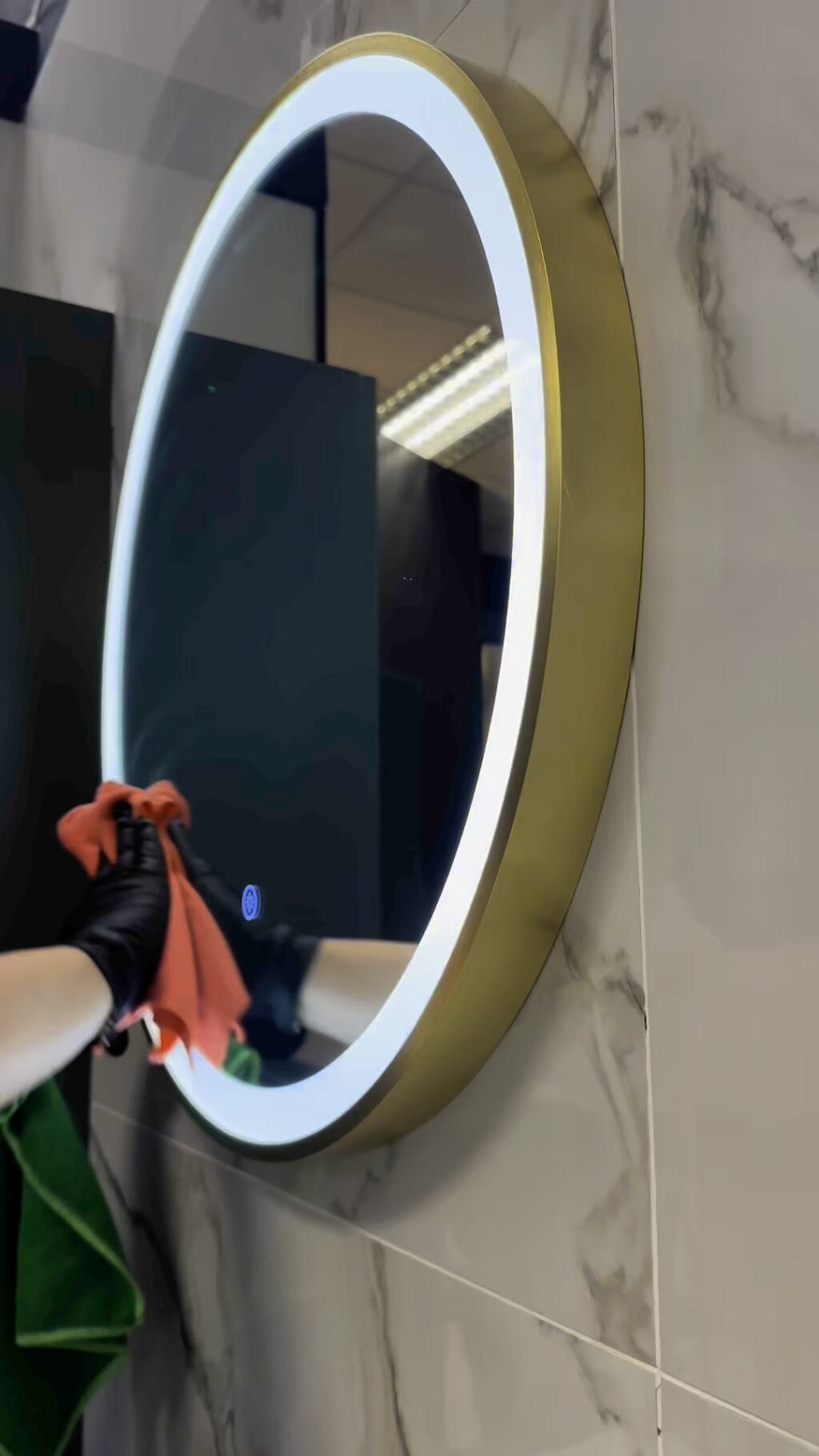
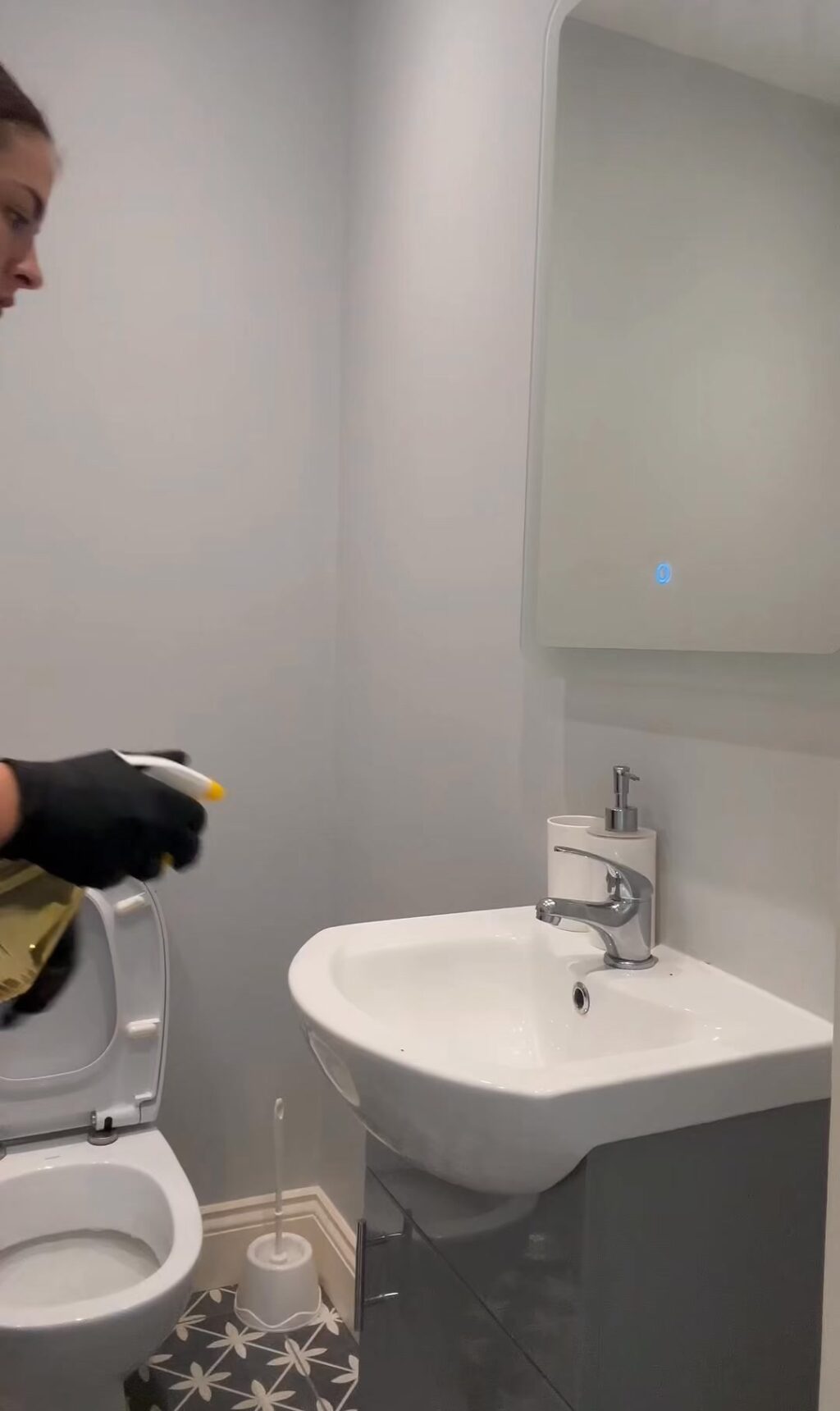
- Cleaning washrooms, including toilets, sinks, mirrors, and dispensers
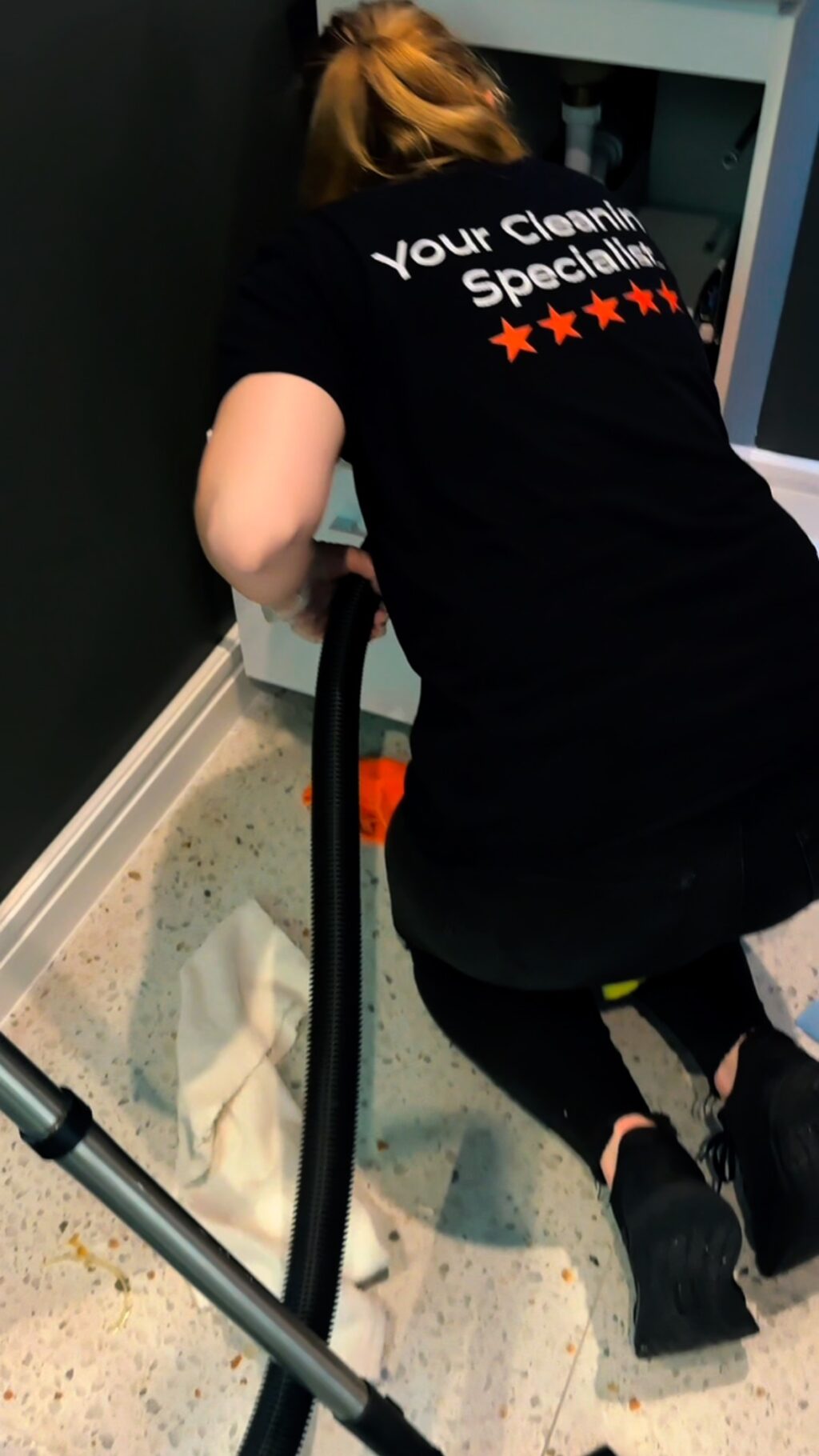
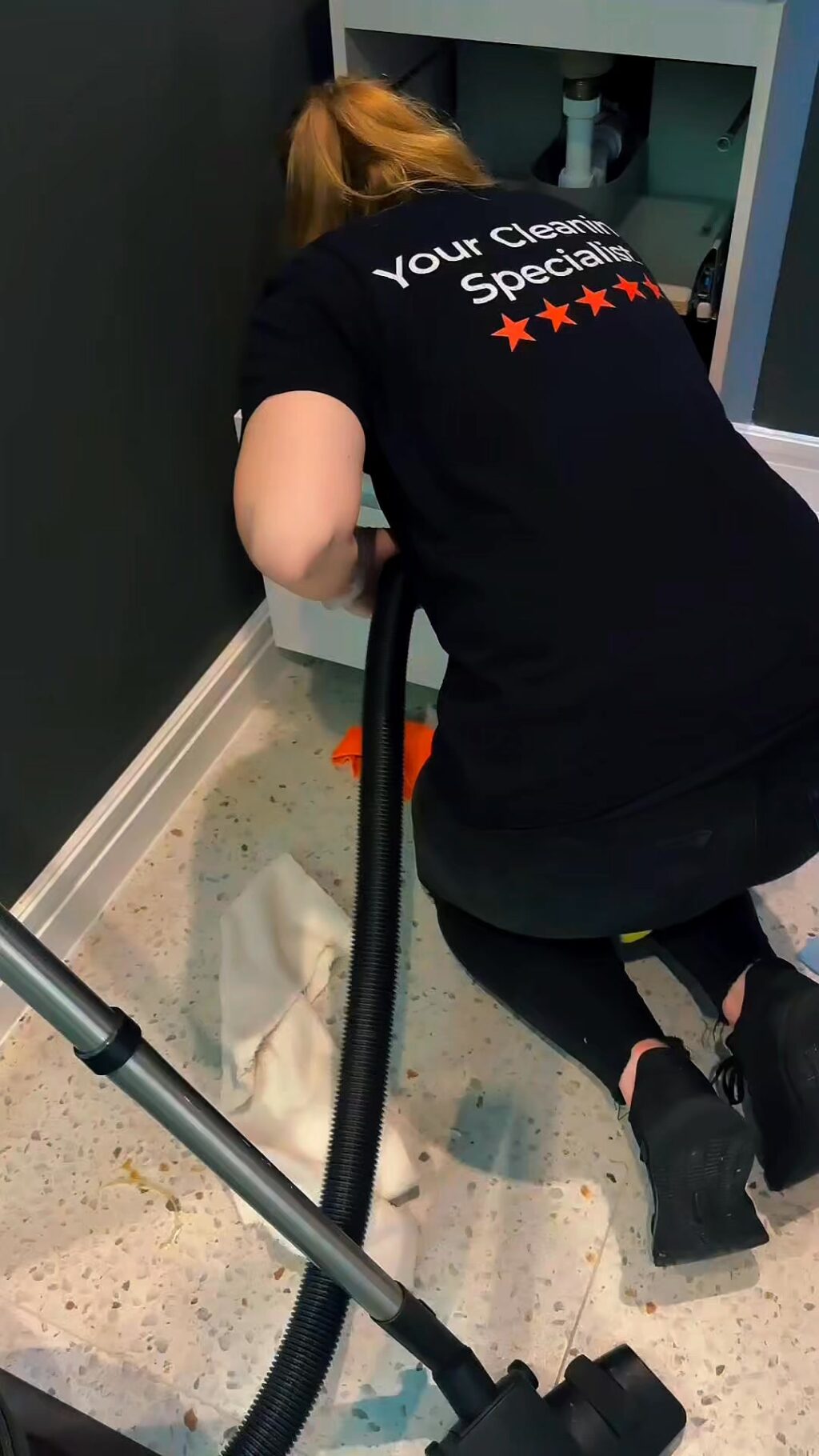
- Vacuuming carpets and spot-cleaning floors in high-traffic areas
- Tidying reception and communal areas to maintain a professional appearance
Following a daily checklist helps offices stay clean without relying on occasional deep cleans to correct avoidable issues.
Weekly Office Cleaning Checklist
Weekly cleaning tasks focus on areas that don’t require daily attention but still affect hygiene, comfort, and the overall condition of the office. These tasks help prevent gradual build-up and keep the workspace consistently maintained.
A weekly office cleaning checklist typically includes:
- Thorough cleaning of floors, including vacuuming carpets and mopping hard surfaces
- Wiping down desks, chairs, and office furniture more thoroughly
- Cleaning internal glass, partitions, and doors
- Disinfecting shared equipment such as printers, phones, and meeting room tools
- Cleaning kitchen appliances externally, including microwaves, fridges, and coffee machines
- Restocking washroom supplies and checking dispensers
- Dusting ledges, skirting boards, and accessible surfaces
Weekly cleaning supports daily routines by addressing areas that accumulate dirt more slowly but still impact the overall standard of the office.
Monthly Office Cleaning Checklist
Monthly office cleaning focuses on tasks that build up gradually and are often overlooked during daily or weekly routines. These deeper cleaning tasks help maintain hygiene standards over time and protect office surfaces, flooring, and fixtures from long-term wear.
This level of cleaning typically includes more detailed attention to carpets and rugs, particularly around edges and corners where dirt collects. Hard floors also benefit from a deeper clean to remove scuff marks and residue that regular mopping may not address. Air vents, grilles, and accessible ventilation covers should be cleaned to reduce dust circulation and maintain air quality.
Monthly office cleaning also involves dusting high-level and less frequently used surfaces such as the tops of cupboards, shelves, door frames, and wall areas where marks appear over time. Shared storage spaces, spare offices, and low-traffic areas often require attention at this stage to ensure cleanliness remains consistent across the entire workplace.
By following a monthly office cleaning checklist alongside daily and weekly routines, businesses can prevent gradual build-up, maintain professional standards, and extend the condition of office interiors.
In some cases, monthly tasks may also require deep cleaning services to address built-up dirt that regular routines do not fully remove.
Areas Often Missed in Office Cleaning
Even with a structured office cleaning checklist, certain areas are commonly overlooked. These spots tend to collect dust, germs, and grime over time, which can affect hygiene and the overall feel of the workspace without being immediately obvious.
Areas that are often missed include:
- Door handles, switches, and handrails outside of main walkways
- Chair arms and backs, especially in meeting rooms
- Desk dividers, screens, and cable areas
- Skirting boards and corners where dust settles unnoticed
- Behind monitors, printers, and shared equipment
- Kitchen cupboard handles and appliance sides
- Vent covers and low-level air circulation points
These areas don’t always stand out visually, but they play a significant role in cleanliness and hygiene. Including them in an office cleaning checklist helps prevent gradual build-up and supports a consistently clean environment rather than one that only looks tidy on the surface
How Often Should Offices Follow This Checklist?
How often an office should follow a cleaning checklist depends on how the space is used rather than a fixed rule. Factors such as staff numbers, shared facilities, and daily foot traffic all influence the right cleaning frequency.
Offices with high occupancy or frequent visitors usually need to follow daily and weekly checklist tasks consistently to maintain hygiene and presentation. Smaller or lower-traffic offices may manage with less frequent routines, supported by regular monthly cleaning to prevent build-up.
Using an office cleaning checklist works best when it is adjusted to the needs of the workplace. Reviewing and updating the checklist as teams grow, layouts change, or usage increases helps ensure cleaning routines remain effective over time.
Offices that host meetings, launches, or corporate gatherings may also need event cleaning alongside their regular checklist.
When a Checklist Isn’t Enough
An office cleaning checklist helps maintain consistency, but it cannot replace professional expertise in every situation. As offices grow, layouts change, or usage increases, cleaning needs often become more complex than a checklist alone can manage.
High-traffic workplaces, shared buildings, and client-facing offices usually require structured cleaning routines, proper equipment, and trained staff to maintain standards over time. In these cases, relying solely on internal routines can lead to gaps, uneven results, or added pressure on employees.
This is where professional office cleaning supports the checklist rather than replacing it. A structured service ensures that daily, weekly, and monthly tasks are completed consistently, while also addressing areas that require specialist attention or regular supervision.
Office Cleaning Checklist FAQs
What is an office cleaning checklist?
An office cleaning checklist is a structured list of cleaning tasks organised by frequency to keep workplaces clean, hygienic, and presentable.
What should an office cleaning checklist include?
It should include daily, weekly, and monthly tasks covering desks, floors, kitchens, washrooms, bins, and high-touch surfaces.
How often should an office cleaning checklist be followed?
Most offices follow daily and weekly tasks consistently, with monthly cleaning used to prevent long-term build-up.
Who should manage an office cleaning checklist?
Office managers, HR teams, or facilities coordinators usually manage and review the checklist.
Can an office cleaning checklist replace professional cleaning?
No. A checklist supports consistency, but professional cleaning ensures tasks are completed correctly and to a consistent standard.
Why do offices use cleaning checklists?
Checklists help prevent missed tasks, maintain hygiene standards, and ensure cleaning routines stay consistent over time.
Conclusion
An office cleaning checklist provides structure, consistency, and clarity in maintaining clean workplaces. By breaking tasks into daily, weekly, and monthly routines, businesses reduce the risk of missed areas and ensure hygiene standards remain steady over time.
While a checklist helps organise cleaning responsibilities, it works best when paired with reliable processes and professional support where needed. Offices change, usage increases, and expectations evolve, which makes consistency more important than occasional effort.
Used correctly, an office cleaning checklist supports healthier environments, protects office interiors, and helps businesses maintain professional standards without relying on guesswork.