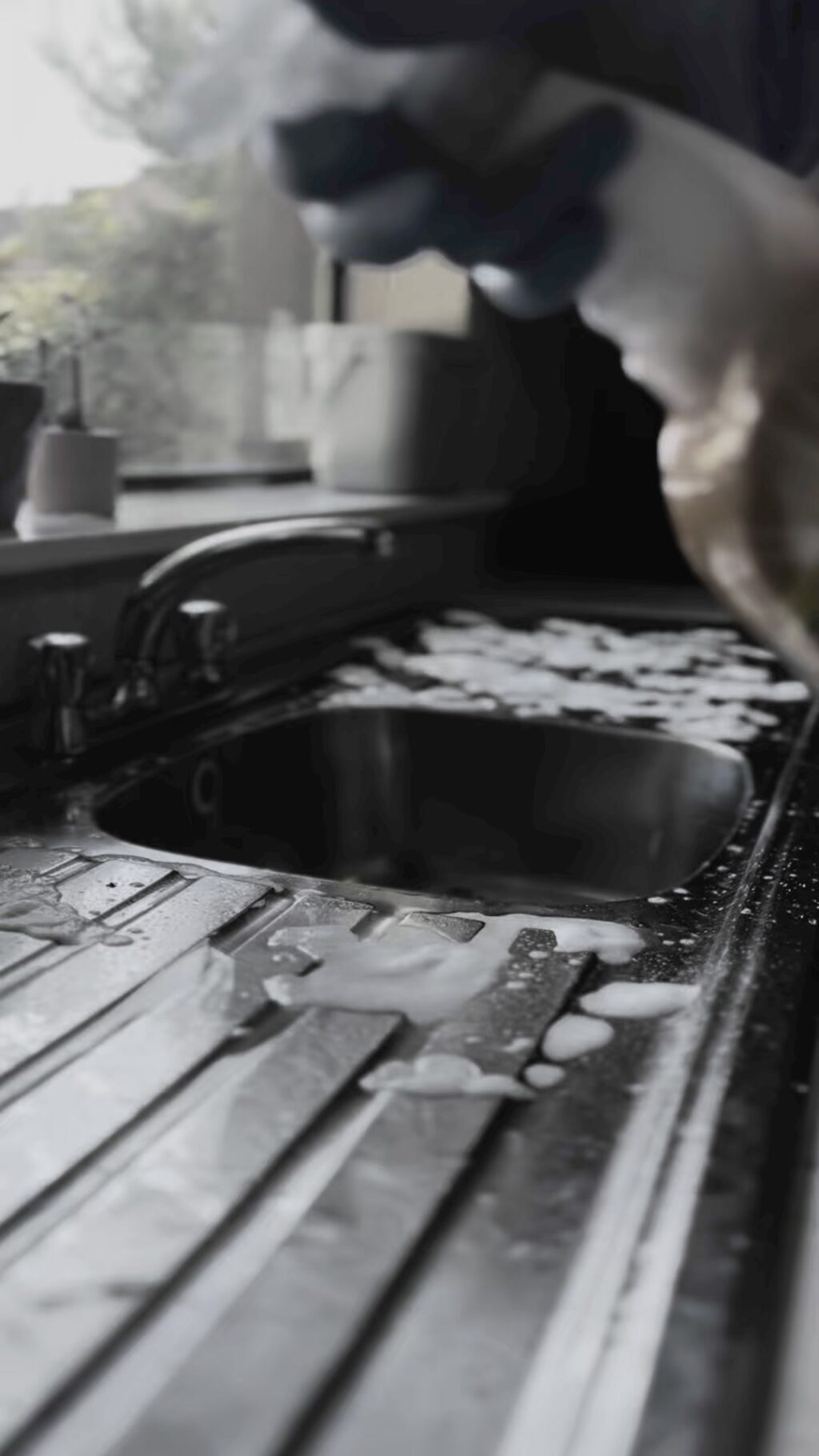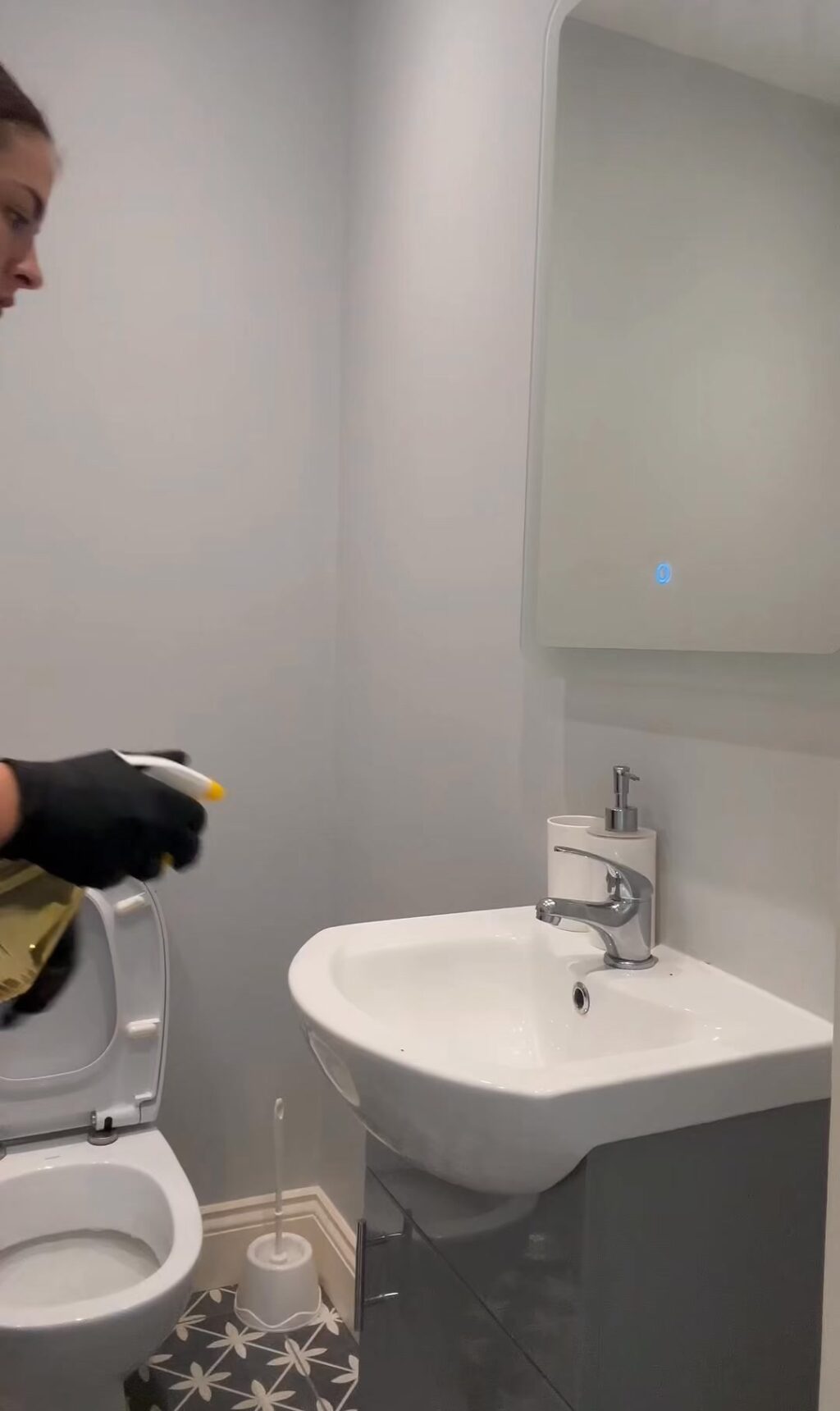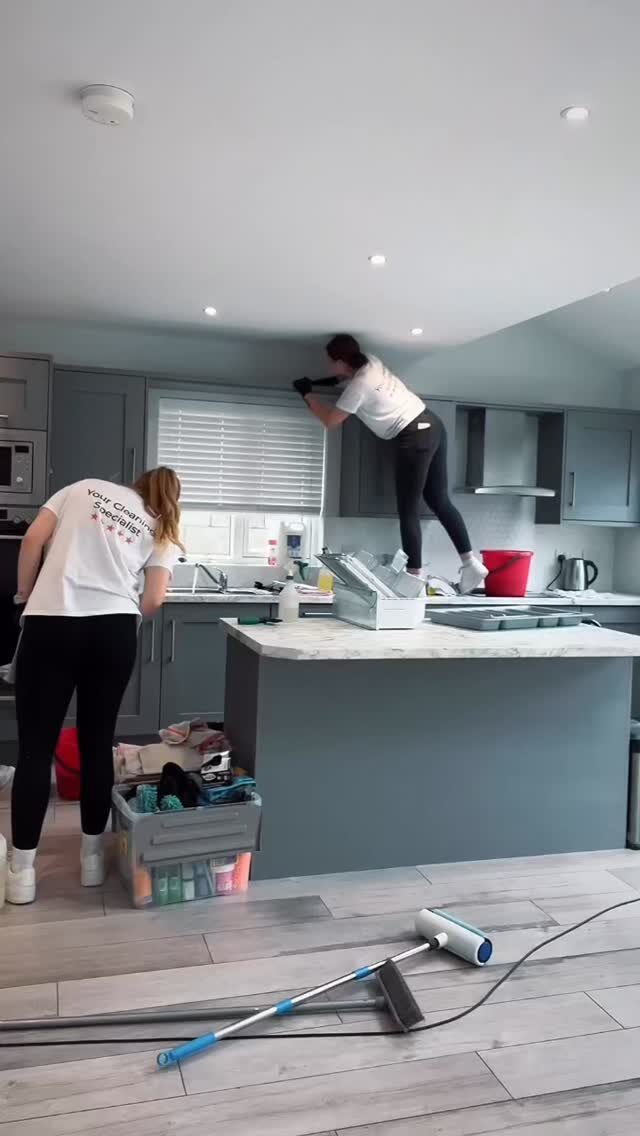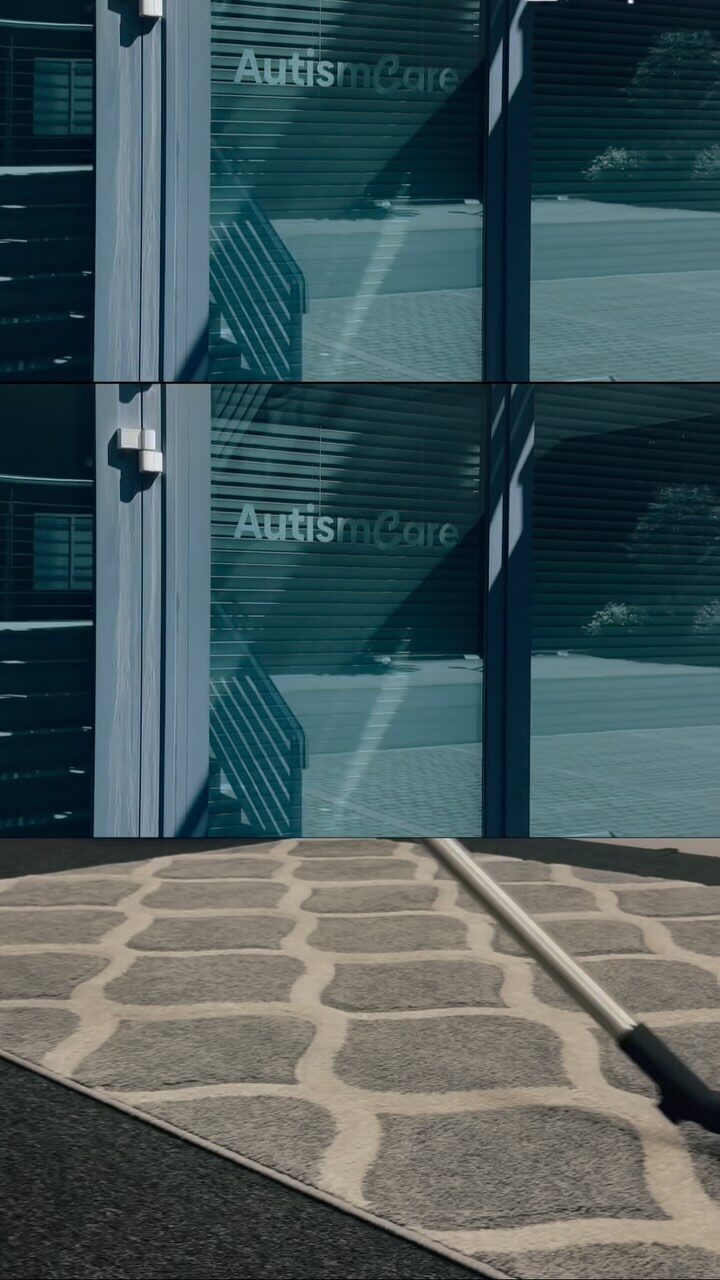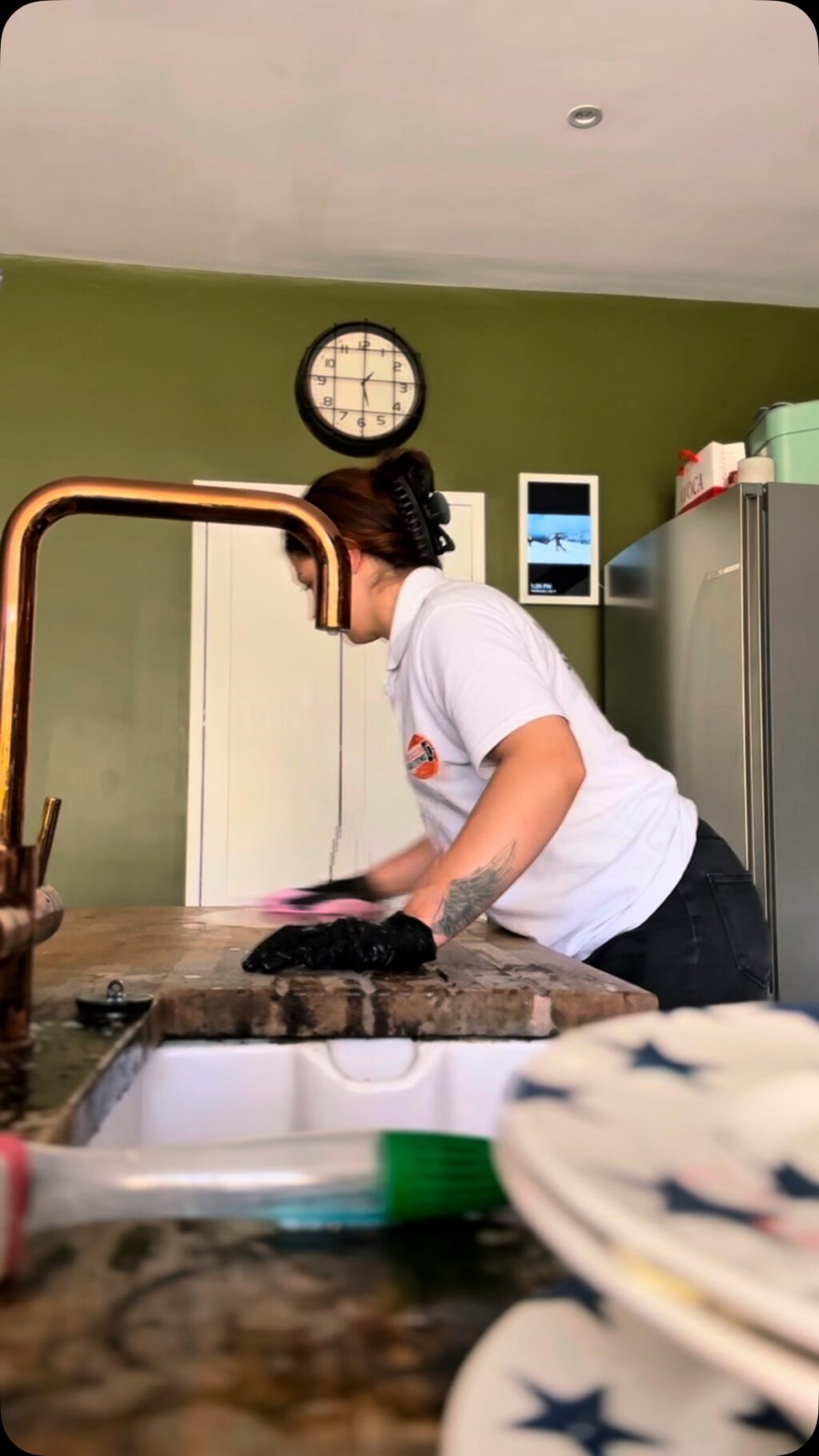

Office cleaning plays a bigger role in business performance than many companies realise. A clean workplace supports employee health, improves focus, and shapes how clients and visitors perceive a business from the moment they walk in.
Beyond appearances, regular office cleaning helps reduce the spread of germs, keeps shared spaces hygienic, and creates an environment where people can work comfortably and efficiently. Poor cleaning standards often lead to higher absenteeism, lower morale, and avoidable complaints.
Understanding why office cleaning is important allows businesses to make informed decisions about hygiene, workplace standards, and long-term professionalism rather than treating cleaning as an afterthought.
What Office Cleaning Actually Means
Office cleaning refers to the routine and structured cleaning of workplaces to maintain hygiene, comfort, and professional standards. It goes beyond basic tidying and focuses on keeping shared environments clean, safe, and suitable for daily use by staff and visitors.
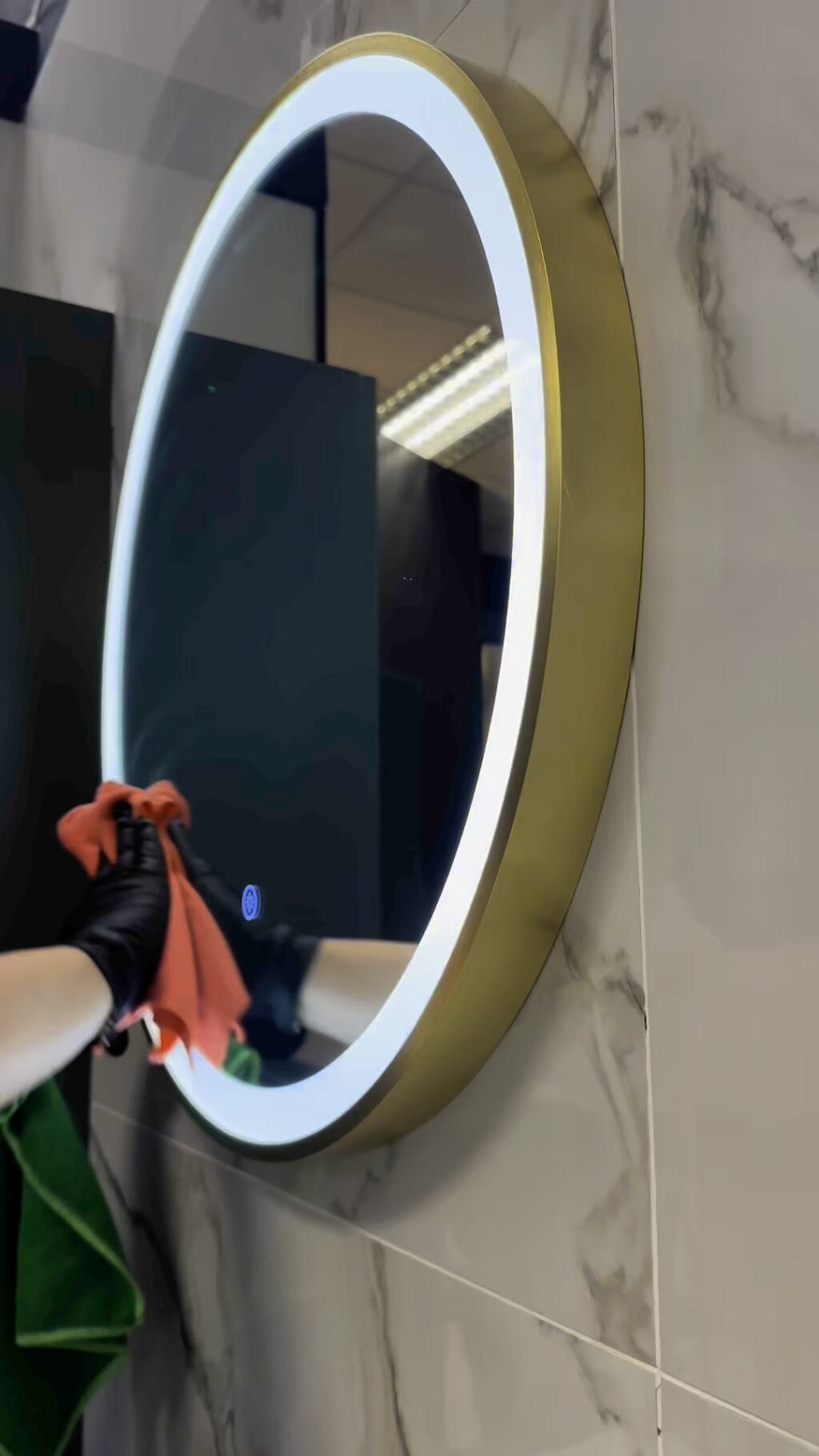
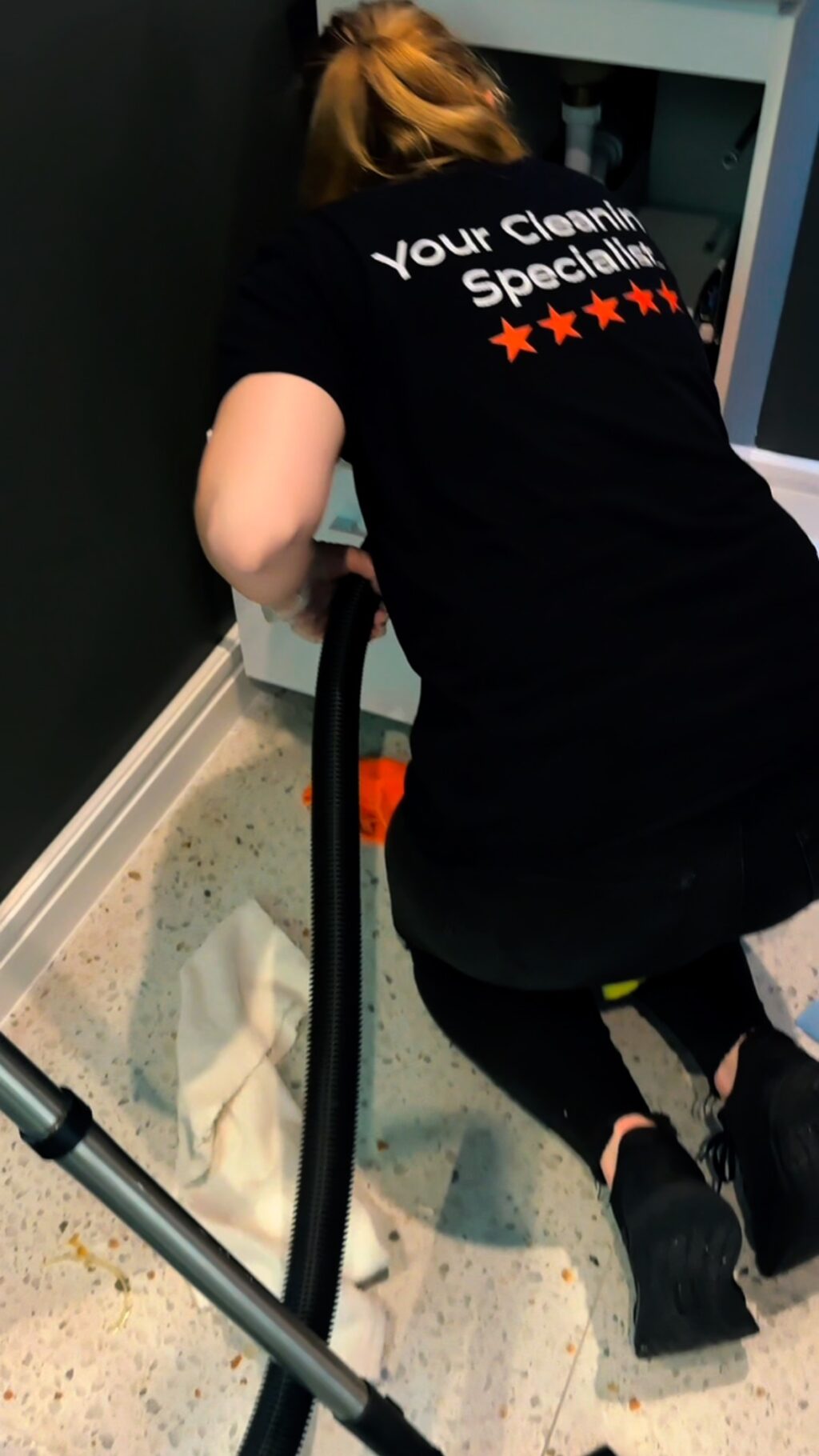
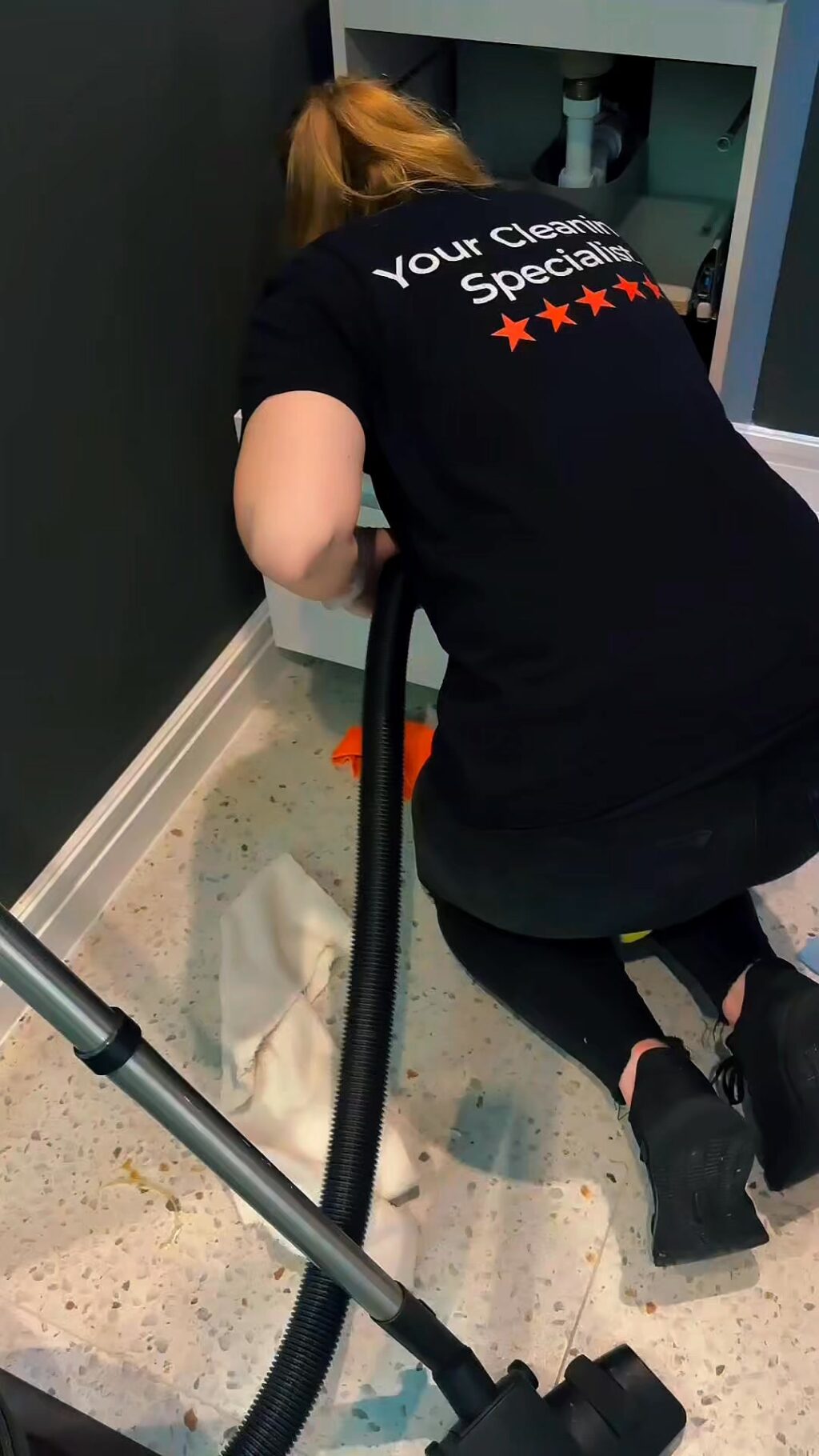
A proper office cleaning routine covers work areas, communal spaces, washrooms, kitchens, and high-touch surfaces that people use throughout the day. The aim is to create a consistently clean environment rather than reacting only when areas look visibly dirty.
Unlike occasional deep cleans, office cleaning works on a planned schedule. This consistency helps prevent hygiene issues, supports employee wellbeing, and ensures the workspace reflects the standards of the business operating within it.
Why Office Cleaning Is Important for Employee Health
A clean office directly affects employee health. Shared spaces, desks, kitchens, and washrooms collect bacteria and viruses quickly when cleaning routines fall behind. Regular office cleaning helps reduce the spread of germs and lowers the risk of illness across the workplace.
Employees spend long hours indoors, often touching shared surfaces such as door handles, keyboards, and communal equipment. Cleaning these areas consistently helps maintain hygienic conditions and supports a healthier working environment, especially during cold and flu seasons.
Healthier workplaces experience fewer sick days and less disruption. When businesses prioritise office cleaning, they create conditions that support staff wellbeing rather than reacting to problems after they arise.
Why Office Cleaning Is Important for Productivity & Focus
A clean office helps people work more effectively. Clutter, dirt, and unpleasant odours create distractions that pull attention away from tasks and reduce concentration. When workspaces stay clean and organised, employees can focus on their work instead of their surroundings.
Office cleaning also affects morale. People tend to take more pride in their work environment when it feels well maintained. That sense of care often translates into better focus, higher engagement, and a more positive attitude throughout the day.
Consistent cleaning supports productivity by creating a calm, functional space where teams can work without unnecessary disruption. Over time, this contributes to smoother operations and better overall performance.
Why Office Cleaning Is Important for Professional Image
The condition of an office shapes how a business is perceived. Clients, partners, and visitors often form an opinion within minutes of entering a workspace. Clean, well-maintained offices communicate professionalism, organisation, and attention to detail.
Office cleaning plays a key role in first impressions. Smudged glass, dirty floors, or untidy communal areas can undermine confidence, even if the business delivers quality work. A clean environment helps reinforce trust and reflects positively on the brand.
For businesses that regularly host meetings or welcome visitors, consistent office cleaning ensures the workspace always aligns with the standards the company wants to project.
The Risks of Poor or Inconsistent Office Cleaning
When office cleaning standards slip, problems build up quietly and then show up all at once. Poor or inconsistent cleaning can lead to:
- Higher illness rates as germs spread through shared desks, kitchens, and washrooms
- Lower staff morale when employees feel their environment is neglected
- Negative first impressions for clients and visitors entering the space
- Increased wear and damage to floors, furniture, and surfaces
- More complaints and disruptions that require reactive fixes instead of routine care
Poor cleaning standards often fall short of broader commercial cleaning expectations in shared workplaces.
How Often Offices Should Be Cleaned (and Why It Matters)
There is no single cleaning schedule that suits every office. How often an office should be cleaned depends on how the space is used, how many people work there, and the level of daily foot traffic.
In general:
- Busy offices with high staff numbers or frequent visitors benefit from daily cleaning
- Moderate-use offices often require cleaning several times per week
- Low-traffic offices may only need weekly cleaning supported by periodic deep cleans
- Shared spaces such as kitchens and washrooms usually need more frequent attention than individual work areas
Choosing the right cleaning frequency helps maintain hygiene, prevents build-up, and keeps the workspace consistently presentable rather than relying on occasional intensive cleans.
Who Benefits Most from Professional Office Cleaning
Professional office cleaning benefits any workplace where people share space, equipment, and facilities throughout the day. Offices with higher expectations around hygiene, presentation, and consistency tend to see the greatest impact from regular, structured cleaning.
Corporate and professional offices rely on clean environments to maintain standards and support daily operations, while shared or multi-tenant buildings require consistent cleaning to keep communal areas usable for everyone. Growing businesses also benefit as staff numbers increase and internal upkeep becomes harder to manage without support.
Client-facing and hybrid workplaces often experience uneven use of space, which can lead to certain areas being overlooked. Professional office cleaning helps maintain balance across the workplace, ensuring all areas remain clean without adding responsibility to staff or management.
Offices that have recently been renovated may also require post-construction cleaning before regular maintenance begins.
Office Cleaning FAQs
Can office cleaning be done outside working hours?
Yes. Professional office cleaning is often scheduled early mornings, evenings, or weekends to avoid disruption to staff and daily operations.
How do cleaning companies ensure consistency and quality?
Reputable office cleaning companies follow structured checklists, supervision routines, and regular quality checks to ensure the same standards are maintained over time.
What happens if our office layout or staff numbers change?
Cleaning schedules and scopes can be adjusted as offices grow, downsize, or reconfigure. A good office cleaning provider reviews requirements and updates the service accordingly.
Is professional office cleaning better than assigning cleaning tasks to staff?
Yes. Professional office cleaning ensures consistent hygiene standards without distracting employees from their primary roles or creating internal responsibility issues.
How do we know if our office cleaning is meeting the right standard?
Clear scopes of work, regular inspections, and open communication help businesses monitor cleaning performance and address issues quickly if standards slip.